

Toby Fox stands as one of indie gaming’s most enigmatic auteurs, celebrated for the cultural phenomena Undertale and Deltarune. Despite his massive global reach, Fox maintains a notoriously low profile, rarely appearing on camera and keeping his social media interactions sparse and deliberate. Consequently, when he chose to directly address criticisms from his Latin American fanbase this past weekend, the gaming community took notice.
Operating with a lean team, Fox retains rigorous oversight of every facet of his projects. In a recent statement, he clarified that the absence of translations for languages like Spanish and Portuguese stems from a desire to ensure any localization perfectly aligns with his “vision.” Because he is fluent only in English and Japanese, he feels unable to personally vet other translations to his exacting standards.
The Catalyst of the Controversy
The conversation was reignited on Saturday, March 28, when Fox took to X to promote the Japanese localization of OFF—a surreal RPG that served as a major inspiration for Undertale. Having contributed to the remake’s soundtrack, Fox encouraged fans to watch the trailer even if they didn’t speak the language.
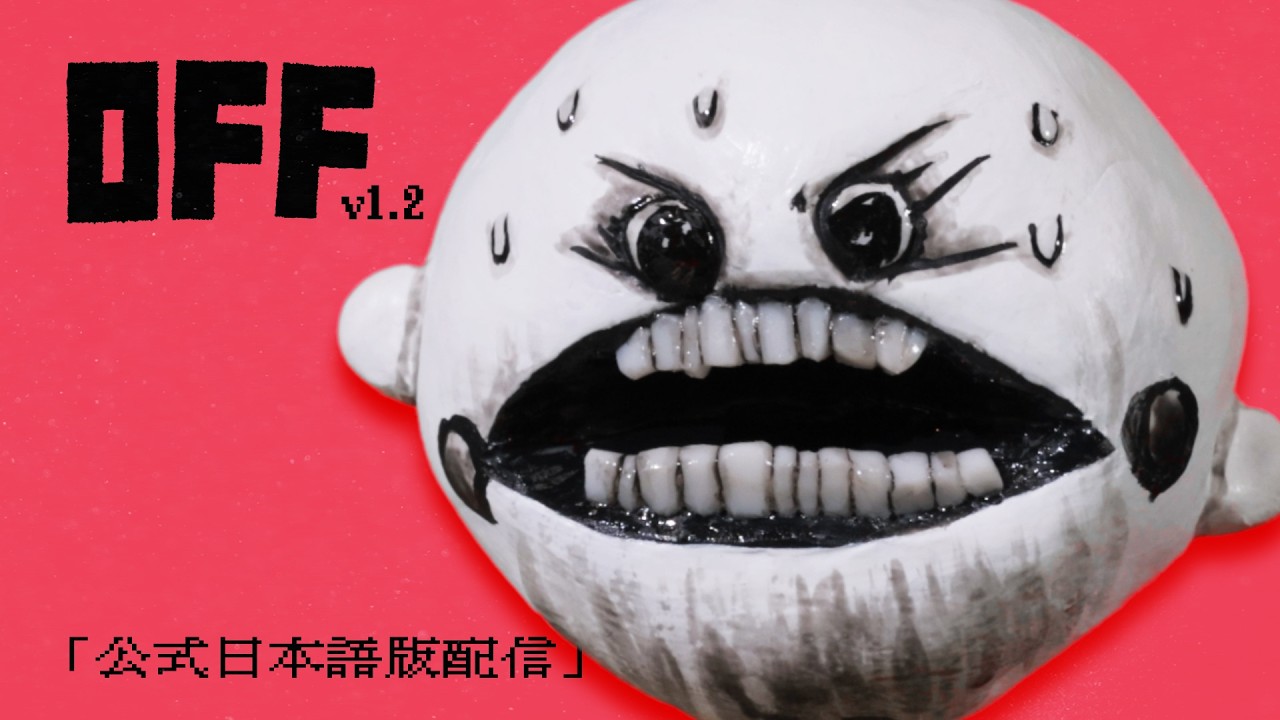
This post inadvertently opened a floodgate of frustration. Many fans from Latin America pointed out the irony of celebrating a new translation while Undertale—a decade-old masterpiece—still lacks official Spanish or Portuguese support. Breaking his usual silence on such matters, Fox moved the conversation to Bluesky on March 29, releasing a comprehensive message directed at his supporters in the region.
Addressing Regional Logistics
Fox’s response touched on three primary grievances. First, he addressed the upcoming Undertale concert series, explaining that while he recognizes the immense enthusiasm in Latin America, he has very little influence over the organizers’ touring schedules. Second, he discussed merchandise. Fans in the region have long struggled to acquire official goods through Fangamer, but Fox noted that the distributor currently finds shipping to those territories “prohibitively expensive.” He reaffirmed his commitment to working with Fangamer exclusively, effectively stalling hopes for regional alternatives unless the distributor finds a logistical workaround.
Finally, Fox pivoted to the translation dilemma. He emphasized that the lack of Spanish and Portuguese support isn’t a targeted exclusion; rather, the games simply don’t exist in anything other than English and Japanese. He elaborated on his philosophy:
“I understand the frustration regarding the lack of official translations for UNDERTALE. I want to be clear: this isn’t a slight against any country. When I release something officially, it must mirror my creative intent. I was only able to achieve this with the Japanese version because I speak the language and collaborated intimately with a brilliant translator. I am open to other languages if we can replicate that process… but so far, my efforts with my publisher haven’t yielded results. It may be time for a new strategy.”
The Road Ahead for Deltarune
As for his ongoing project, Deltarune, Fox admitted that adding more languages during active development is currently unfeasible. He noted that the technical overhead would inevitably delay the game’s release, which is already a lengthy process. However, he offered a nod of approval to the modding community, stating he is “very happy” that unofficial fan translations exist to bridge the gap for non-English speakers.
The response has divided the community. Supporters defend Fox’s right to artistic purity and his preference for a small-scale development environment. Conversely, critics argue that given Undertale’s monumental financial success, the costs and hurdles of professional localization should have been overcome years ago. For many, the expectation of “perfect” creative control seems secondary to the basic need for accessibility.
For further insights into Toby Fox’s unique development philosophy, you can revisit his extensive interview with Ana Diaz, originally featured in Game Informer last year.
 Retro Shooter Warhammer 40,000: Boltgun 2 Released on Steam and Consoles
 Take-Two CEO Expressed Shock Over GTA VI Delay
 Epic Games’ Unannounced Marvel And Star Wars Shooter Delayed As Company Goes All-In On AI Development
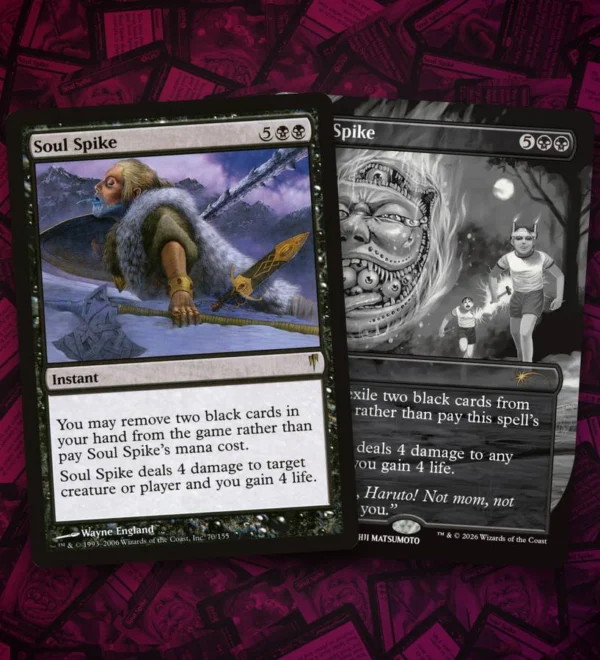 Magic: The Gathering Is Officially Reprinting a Powerful $18 Card for the First Time in 20 Years
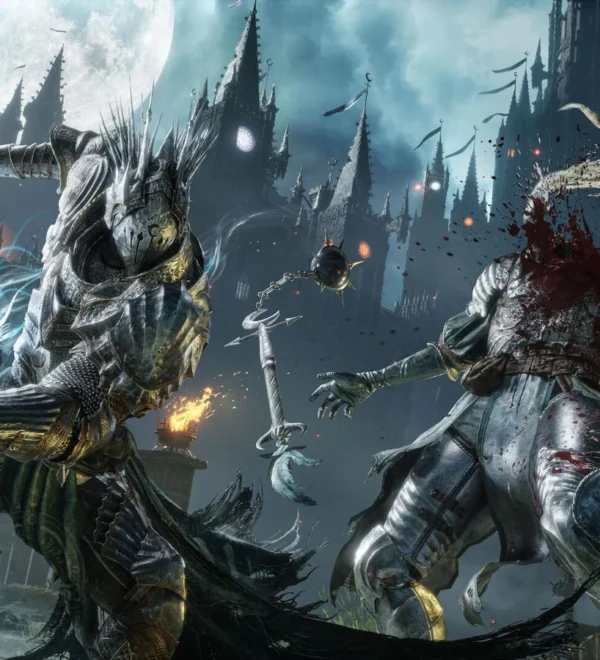 Lords of the Fallen II to feature improved combat and reworked story
 Disney Survival Thriller Whalefall Fails to Replicate The Martian
 Dragon Quest Creator Uses AI to Make Game in 30 Minutes and Is Unfazed by Criticism
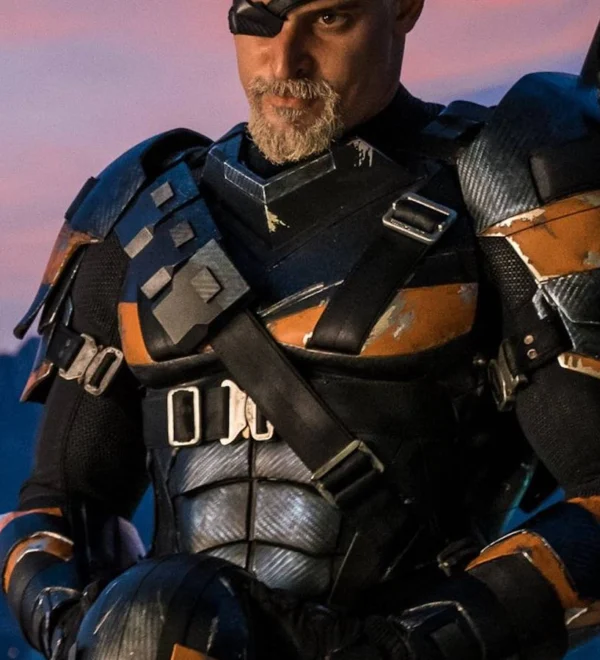 Joe Manganiello Addresses Cancelled Ben Affleck Batman Film