
The Expanse Creators Will Limit Their New Series to Three Books to Avoid a Star Wars-Style Rut

Immersing yourself in The Mercy of Gods and The Faith of Beasts—the first two installments of James S.A. Corey’s sprawling, far-future space opera The Captive’s War—it feels nearly impossible that this epic could reach a definitive conclusion in a single final volume. Daniel Abraham and Ty Franck, the duo behind the acclaimed Expanse series and its television adaptation, originally pitched this latest project as a trilogy. Yet, given the staggering scale of the universe they’ve constructed and the overwhelming odds stacked against their protagonists, the story feels poised to span generations rather than just three books.
However, Abraham and Franck remain steadfast in their commitment to avoiding the “endless franchise” trope often seen in major science fiction properties. They seem mildly defensive at the suggestion that their narrative arc is too ambitious to resolve within a single upcoming installment.
“I don’t know why everyone is so anxious about our ability to wrap it up,” Abraham shared with Polygon. “The entire project has followed the comprehensive outline we established at the outset. Everything is unfolding exactly as we intended and falls well within the scope we initially mapped out.”
The 2024 launch of The Mercy of Gods introduced a cold, expansive reality dominated by the Carryx, an ancient, ruthless race that treats other species as mere biological assets. They dismantle entire civilizations and wipe out any life form that offers no utility. In the series opener, when humanity is cataloged as a “useful species” and forced into servitude, a laboratory assistant named Dafyd Alkhor begins a desperate quest to decipher the logic of his captors and incite a rebellion.

The sequel, The Faith of Beasts, accelerates the pace significantly. While the protagonists recognize that dismantling a galactic hegemon like the Carryx is a task for the ages, Franck and Abraham are firm on their exit strategy: one final novel, one novella, and the television adaptation currently in development with Amazon MGM. Then, they move on.
“When we worked on The Expanse, we had the outline established by the time we started the second book,” Abraham notes. “We knew it would be a nine-book journey from early on. We didn’t suffer from ‘scope creep’ then, and we aren’t suffering from it now. We’ve stayed true to our original design.”
“We exercise far more self-control than George [R.R. Martin] does,” Franck quips.
Franck, who served as a personal assistant and Game Master for Martin, notes that while many series start with modest intentions, they often spiral into endless spin-offs. He and Abraham are consciously avoiding that trap. They want to avoid the cyclical nature of franchises like Star Wars, where the same fundamental conflicts are recycled indefinitely to feed corporate content quotas. They view their creative work as a finite journey.
“We live in an era where every major intellectual property is expected to be milked for eternity,” Franck says. “Star Wars is never going to finish; it tells the same story of plucky rebels against an evil empire on an endless loop. It’s expected that you’ll keep dipping into the same well until you die or someone replaces you. Daniel and I don’t find that appealing. We prioritize narrative structure. We believe in endings.”
Franck often uses a specific analogy to describe their creative philosophy: “At some point, you become your own cover band.”
“We never want to reach that point,” Franck continues. “We have no interest in writing slightly modified iterations of the same story a thousand times. That would be soul-crushing.”
Abraham echoes this, emphasizing that the immense world-building of The Captive’s War serves the plot, not the other way around. He rejects the idea of creating persistent, auxiliary stories within the same setting once the main arc is complete. For them, true craftsmanship requires building a universe that perfectly fits the specific story being told, rather than trying to force a new story into an existing, aging container.
“There are clearly massive financial incentives to continue,” Franck admits. “But early on, Daniel and I made the choice to decouple the creative vision from the bottom line. We don’t make artistic decisions based on potential revenue, and I think that has made us both far more satisfied with our careers.”
“Unfortunately for the studios,” Abraham adds with a grin, “they’ve paid us enough that they can’t force our hands with more money.”
The Faith of Beasts is available now.
Source: Polygon
Related articles
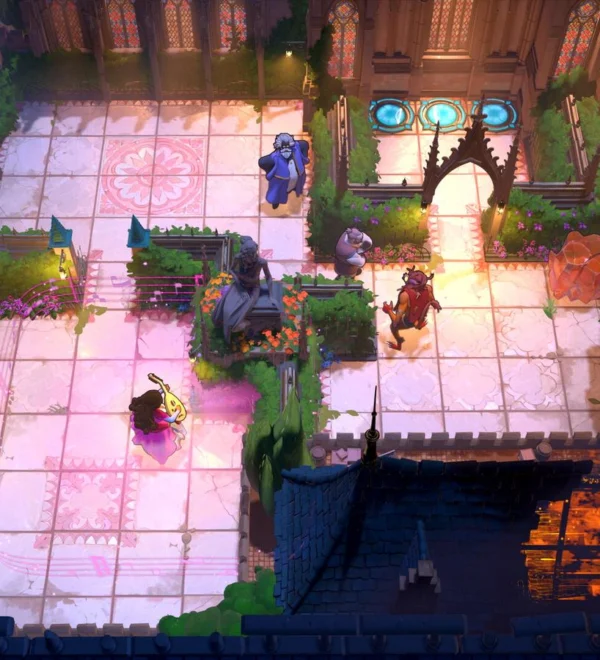 Braid and The Witness developer returns after 10 years with Order of the Sinking Star
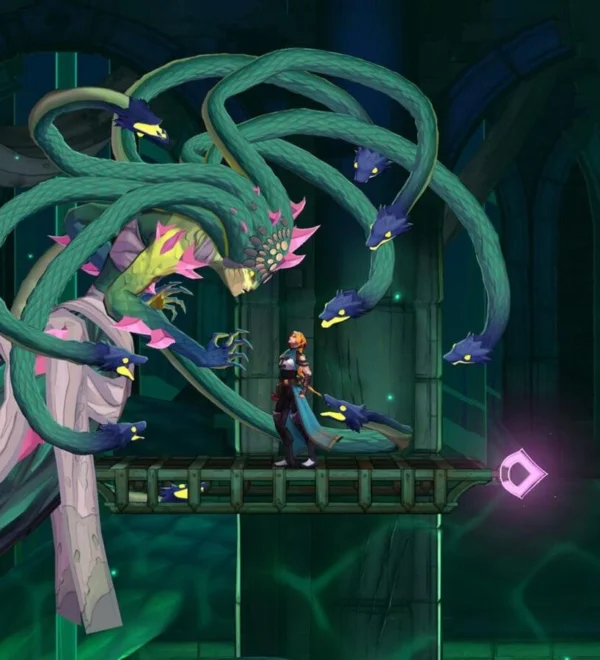 Dozens of New Games Scheduled for Release on Xbox This Week
 Microsoft to Release Physical Edition of Forza Horizon 6 for PS5 with a Catch
 Modder Enables PS5 to Run PS2 Disc Games
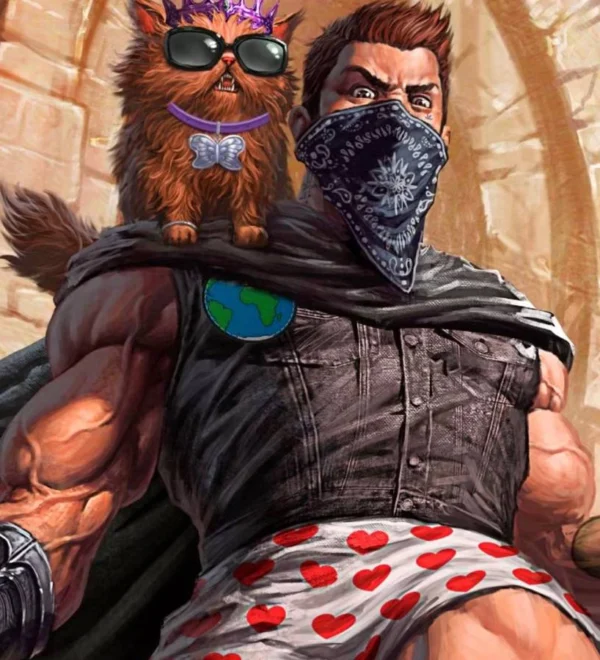 Dungeon Crawler Carl Author Settles Audiobook Debate
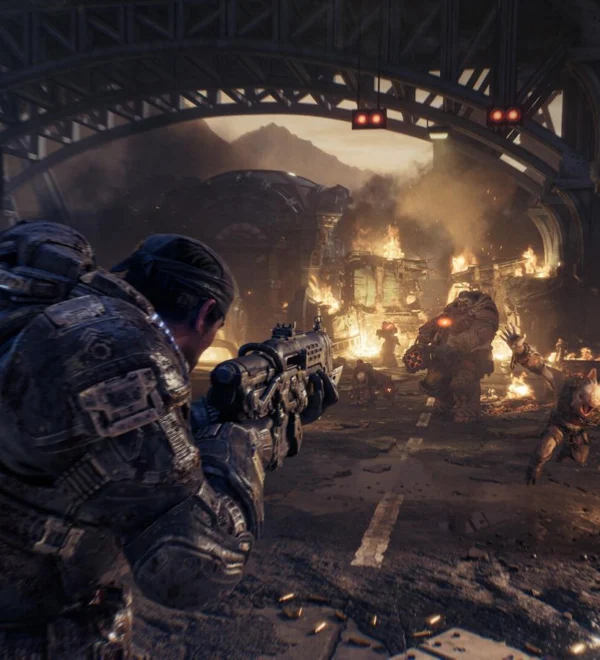 Gears of War: E-Day Suffers DDoS Attacks Amid Backlash From Activists
 Johnny Flynn Discusses His Approach to Lucius Malfoy in Upcoming Harry Potter Series
 Josh Brolin Teases Thanos and Doctor Doom Showdown in Avengers Secret Wars