
The best new Star Trek show is reinventing Captain Kirk for the better
Captain Kirk. Mr. Spock. Dr. McCoy. The USS Enterprise.
Even for those who have never tuned into an episode of Star Trek, these names and the universe they inhabit are deeply embedded in our cultural consciousness. This enduring legacy can, at times, turn our focus toward the icons rather than the individuals. In truth, The Original Series was never primarily an exploration of complex psychological arcs or intimate interpersonal dynamics.
With the benefit of hindsight, the Enterprise often functioned less as a living, breathing home and more as a stage for high-stakes episodic drama. The crew collaborated, maintained professional respect, and occasionally revealed glimpses of personal connection, only to shift focus immediately toward their next tactical objective. Star Trek: Strange New Worlds has fundamentally altered that perception.
On the surface, the series—set to debut its fourth season on July 23—appears to be a standard prequel, replete with younger incarnations of beloved characters and winks at canon to anchor it within the established timeline. Yet, Strange New Worlds achieves something far more profound: it evolves the Enterprise from a mere workplace for professional peers into a genuine, intimate family.
One of the most resonant images of the show isn’t found in a frantic firefight or a tense diplomatic negotiation; it is simply Captain Pike (Anson Mount) preparing a meal.
Time and again, Strange New Worlds prioritizes the quiet, human moments that classic Trek often bypassed: communal dining, candid dialogue, celebrations, mentorship, and the messy, authentic downtime between crises. The ship’s pilot, Ortegas, engages in playful banter; Nurse Chapel flourishes beyond a secondary role; and Uhura is granted the emotional bandwidth to evolve into the figure we recognize. The result is an Enterprise that feels deeply lived-in, both physically and emotionally.
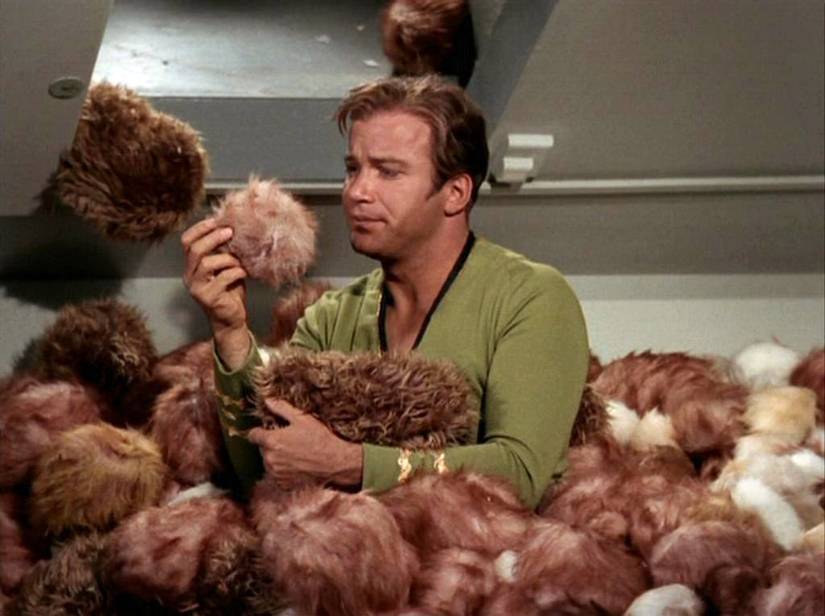
This is not a critique of The Original Series, which operated under the rigid constraints of 1960s episodic television. Its strength lay in the legendary triumvirate of McCoy, Spock, and Kirk. However, Strange New Worlds masterfully leverages the advancements of modern storytelling to externalize what the original show only ever hinted at: that this crew is genuinely bound by affection.
This tonal shift recontextualizes Captain Kirk entirely. Once the Enterprise is established as a domestic home, Kirk is no longer just the architect of the five-year mission; he becomes a newcomer stepping into an existing fold.
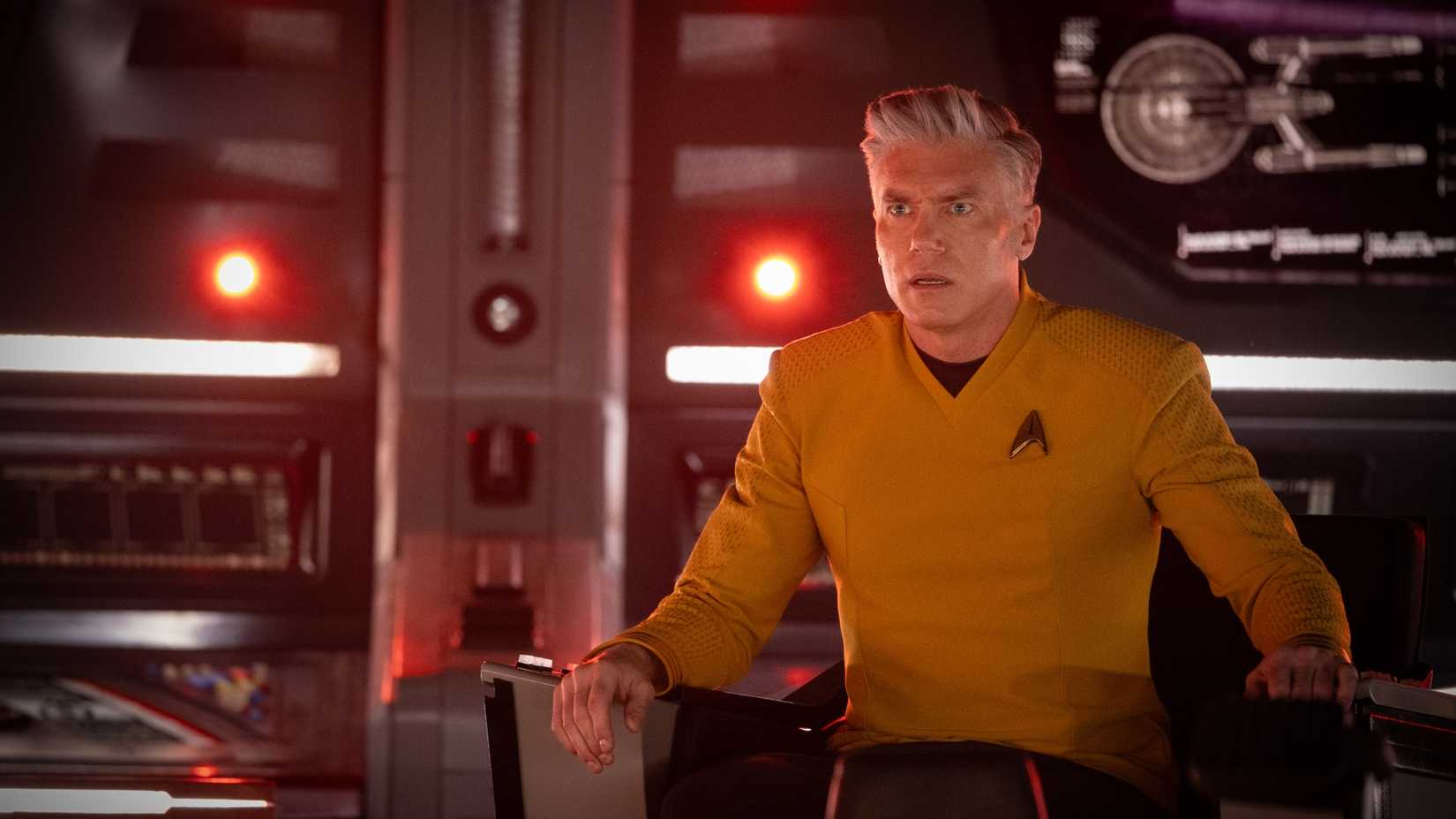
A brilliant creative decision in Strange New Worlds is the refusal to frame James T. Kirk’s (Paul Wesley) arrival as a foregone conclusion. Prequels often suffer from the “destiny trap,” where characters feel like static chess pieces. Strange New Worlds actively resists this. Here, Kirk is not a preordained legend; he is a skilled, charismatic officer still refining his identity. In the third season, he faces a command failure that forces him to rely on the growth fostered by Spock, Scotty, and Uhura to overcome his own limitations.
Strange New Worlds does not treat Kirk as the inevitable center of the universe. Instead, it respects the established identity of Pike’s Enterprise. By developing the crew’s emotional bonds prior to Kirk’s tenure, the series reframes the later years of the franchise; Kirk is not the beginning of the story, but the subsequent, natural evolution of it.
Revisiting The Original Series with this new context adds layers to the experience. Kirk’s confidence feels earned through trial; Spock’s stoicism seems more protective. The relationships feel richer because we now understand the foundational history of these figures. Perhaps that is the greatest triumph of Strange New Worlds: it reminds us that before they were legends of the stars, they were simply people finding their way together.
Source: Polygon
Related articles
 Marvel Tokon Producer Admits PC Version Failure and Calls Player Retention Extremely Difficult
 My Bloody Valentine Returns to Free Streaming on Pluto TV
 Ice Wall Season 2 Receives Full Trailer and Poster
 Gotham Police Hunt Batman and Mysterious Blonde in The Batman Part 2 Set Photos
 Amazon Open to Discussing “Doctor Who” Move to Prime Video Following Disney+ Split
 Cinematographer Pat Scola to Direct New X-Men Movie
 Unofficial Test Shows DLSS 5 Dropping RTX 30 Performance to 1 FPS
 Physical Copies of The Blood of Dawnwalker Reach Players a Week Before Release