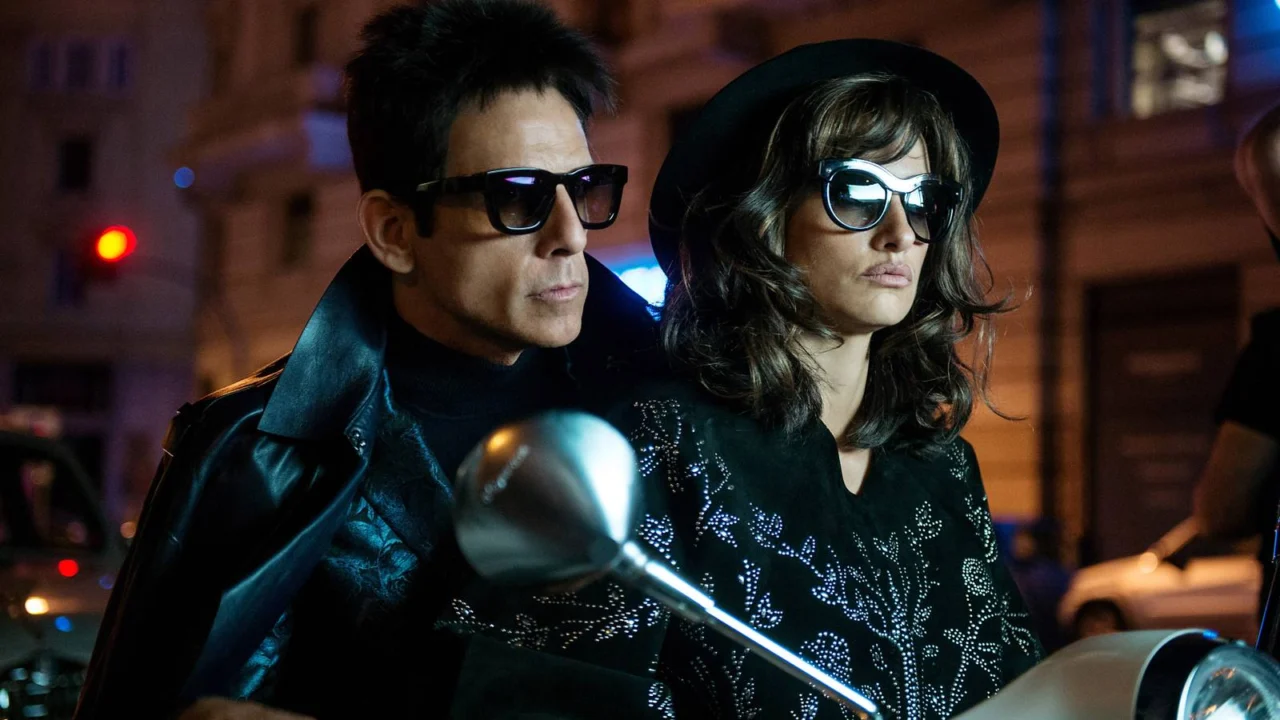
Ten Years Ago, a Cult Classic’s Disastrous Sequel Killed an Entire Genre

Reflecting on his career during a 2024 episode of David Duchovny’s Fail Better podcast, Ben Stiller admitted to a major miscalculation regarding Zoolander 2. He moved forward with the project under the genuine belief that there was a massive appetite for it. When the film ultimately tanked, the rejection struck him deeply, shaking the confidence of the man who dominated 2000s comedy with hits like Dodgeball, Meet the Parents, and Tropic Thunder. This period of self-doubt seems to have catalyzed Stiller’s transition into a respected dramatic director, now celebrated for his work on Escape at Dannemora and the mind-bending Severance.
The failure of the 2016 sequel serves as a post-mortem for a specific era of Hollywood. During the 2010s, studios were obsessed with reviving dormant properties like Anchorman and Dumb and Dumber, often with lackluster results. As streaming platforms began to erode the box office dominance of traditional comedies, the industry pivoted toward star-studded casts and nostalgia-baiting instead of narrative substance. In retrospect, Zoolander 2 stands as a primary example of why these late-stage sequels struggled to find their footing—a struggle the genre still faces today.
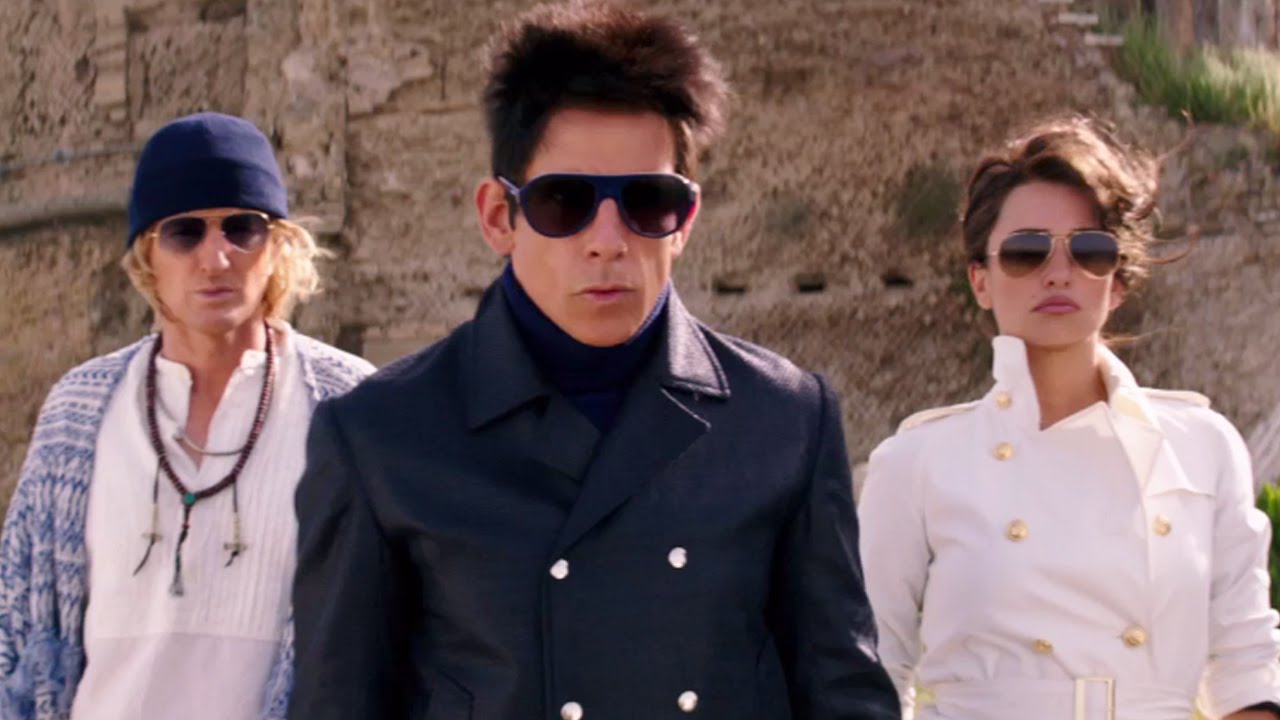
Fifteen years after the original film reached cult status, Zoolander 2 brought Derek and Hansel (Owen Wilson) back to the spotlight. This time, the duo is recruited by Interpol to solve a series of murders targeting the world’s most attractive celebrities. While the first film captured a specific kind of absurdist lightning in a bottle, the sequel leaned heavily into a frantic “more is more” philosophy.
The movie opens with a high-profile “assassination” of Justin Bieber, a move that immediately anchored the film to mid-2010s pop culture trends. It was an early signal that the sequel was moving away from the character-driven stupidity that made the original a classic, opting instead for a parade of cameos and self-referential callbacks.

The 2001 original featured legendary cameos from figures like David Bowie, but those moments felt integrated into the plot. In the sequel, the guest appearances felt like mere items on a checklist. From Billy Zane’s return to various fashion icons, the film prioritized fan service over genuine wit, making the entire production feel remarkably thin.
The core issue was a shift in tone. The first Zoolander worked because Derek and Hansel were two idiots navigating a relatively sane world. In the sequel, the entire universe is as bizarre as they are, which effectively kills the comedy. By saturating the screen with too many recognizable faces, the film ceased to be a parody of the fashion world and became a parody of itself.

This “sequel bloat” wasn’t unique to Stiller. Anchorman 2 suffered from the same overcrowding, squeezing in everyone from Harrison Ford to Kanye West. Similarly, Dumb and Dumber To lost the innocent charm of its protagonists, turning them from oblivious dreamers into mean-spirited caricatures. This era also gave us Movie 43, a project that famously prioritized a massive celebrity ensemble over actual jokes, marking a low point for studio comedies.
POLY Report: The Ultimate Gaming & Culture Digest
Get the latest deep-dives, reviews, and industry news delivered directly to your inbox. Stay ahead of the curve with Polygon.
Ultimately, Zoolander 2 contributed to the decline of the theatrical comedy. It was a project that played it safe, relying on brand recognition rather than creative risk. By chasing nostalgia and assuming that familiar faces would be enough to carry the film, it lost the very specificity that made the 2001 original so endearing.
In the current cinematic landscape, theatrical comedies are an endangered species. While recent reports of a “life-affirming” Naked Gun reboot offer a glimmer of hope, the industry is still trying to figure out how to make audiences laugh in a theater again. The lesson from Derek Zoolander’s second outing is simple: you can’t just look back; you have to have something new to say. Getting back to the basics of character and cleverness is the only way forward.
Source: Polygon
Related articles
 Final Fantasy Resonance’s Denuvo Protection Cracked Within a Day
 Tim Sweeney Again Criticizes Valve Over Steam Rules Requiring Disclosure of AI Use
 Psychological Thriller Movies You Can Stream for Free Online
 Heroes Is Now Free to Stream 20 Years After Its Premiere
 Half-Life 2 RTX Update Adds Improved Frame Generation and ARM Support
 Spike’s “Buffy” Quote Still Ranks Among TV’s Best Lines 23 Years Later
 Dead by Daylight Developers to Pull Chucky Chapter From Sale Soon as Farewell Discount Begins
 Steam Offers Free Play of Low-Poly Zombie Apocalypse Survival Game