
Star Wars Is Transforming the Force Into Cosmic Horror

Star Wars has always possessed an undercurrent of cosmic horror, though only now, nearly five decades after the debut of A New Hope, are those terrifying implications truly surfacing. The source of this creeping dread is the franchise’s most iconic concept: the Force. Long portrayed as a mystical, omnipresent energy binding the galaxy together—a metaphysical tide balancing light and dark—it is beginning to feel like something far more unsettling.
For generations, the Force was interpreted through the dogmatic lens of the Jedi Order. These pseudo-monastic guardians championed the Light Side, positioning themselves as the galaxy’s moral compass. Their adversaries, the Sith, perverted this philosophy, viewing the Force merely as a conduit to achieve dominance through terror, rage, and malevolence.
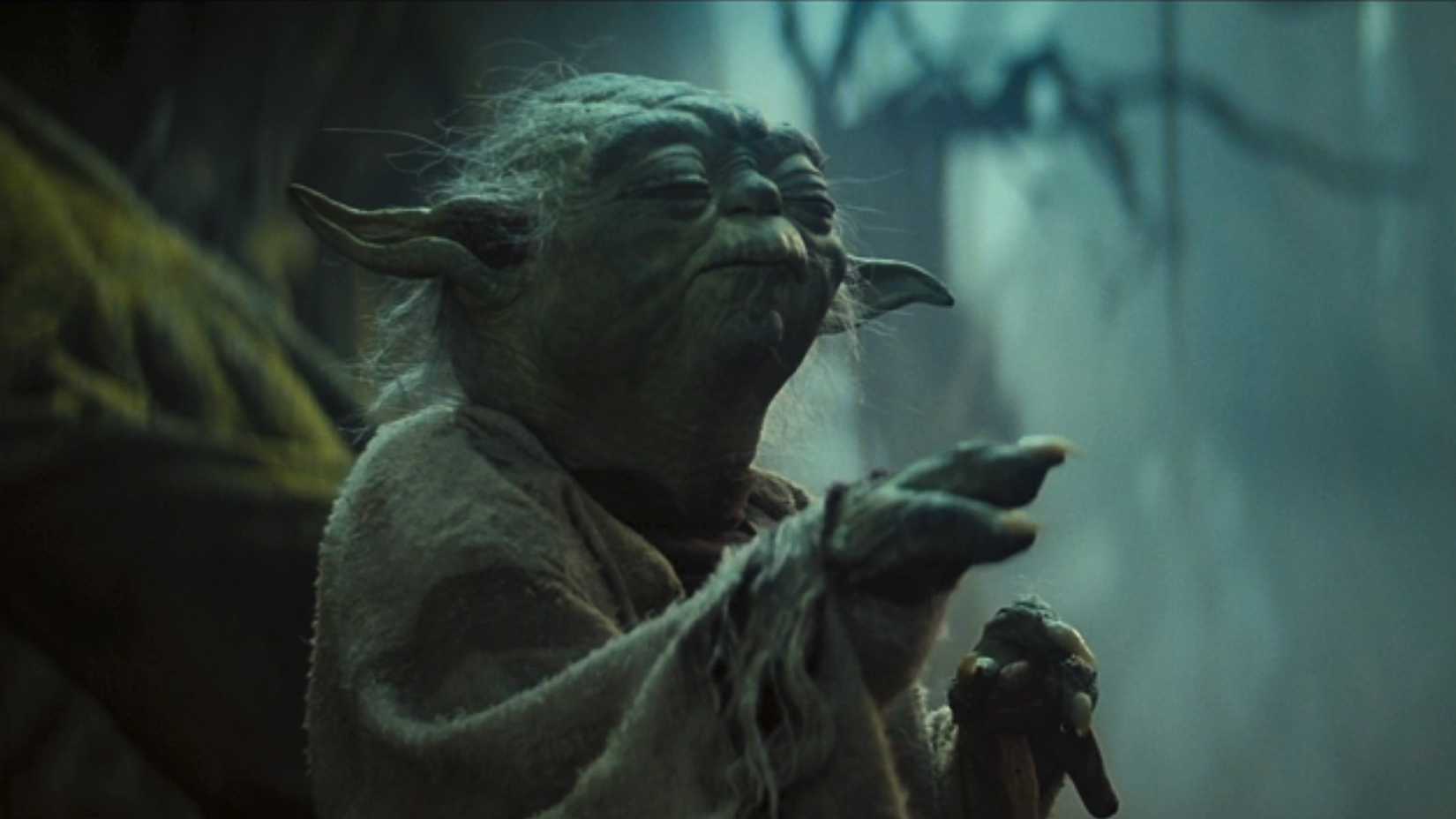 Image: Lucasfilm
While the original trilogy highlighted this clear-cut binary struggle, the prequels dismantled the myth of the Jedi, revealing the rigid institutional hubris that paved the way for their ruin. The Jedi’s high-minded ideals ultimately crumbled before the machinations of Palpatine and Vader. In hindsight, these events served as early indicators that a deeper, more sinister force was manipulating the galaxy from the shadows.
The fall of the Jedi forces a reexamination of the Force: it is not inherently moral, but a raw, indifferent energy. This shift in perspective is evident in The Last Jedi, where an disillusioned Luke Skywalker rejects the notion that the Force belongs to the Jedi, correctly identifying it as a phenomenon existing far beyond any human doctrine or control.
The Force is now presented as something profoundly unknowable. Entities like the Bendu—who embodies the center of the Force—or the Loth-wolves linked to the ethereal World Between Worlds, exist entirely outside the light-dark dichotomy. Similarly, the purrgil utilize the Force instinctively for interstellar travel, suggesting that numerous beings share an innate connection to this energy that defies mortal classification.
These creatures operate on an ontological plane that renders them indifferent to the petty conflicts of the galaxy. It implies that the Star Wars universe is populated by entities with an instinctual, raw connection to the Force that far exceeds our current, limited grasp of its nature.
This uncertainty regarding the Force reaches a fever pitch in the “Mortis” arc of The Clone Wars. When Obi-Wan, Anakin, and Ahsoka are drawn into a timeless dimension to encounter the Father, the Daughter, and the Son, they confront beings who are not merely Force-users, but arguably personifications of the Force itself. These “Ones” challenge the idea that the Force is just an energy field; they are mysterious, godlike figures that hint at something much larger and more terrifying, firmly planting the seeds of cosmic horror.
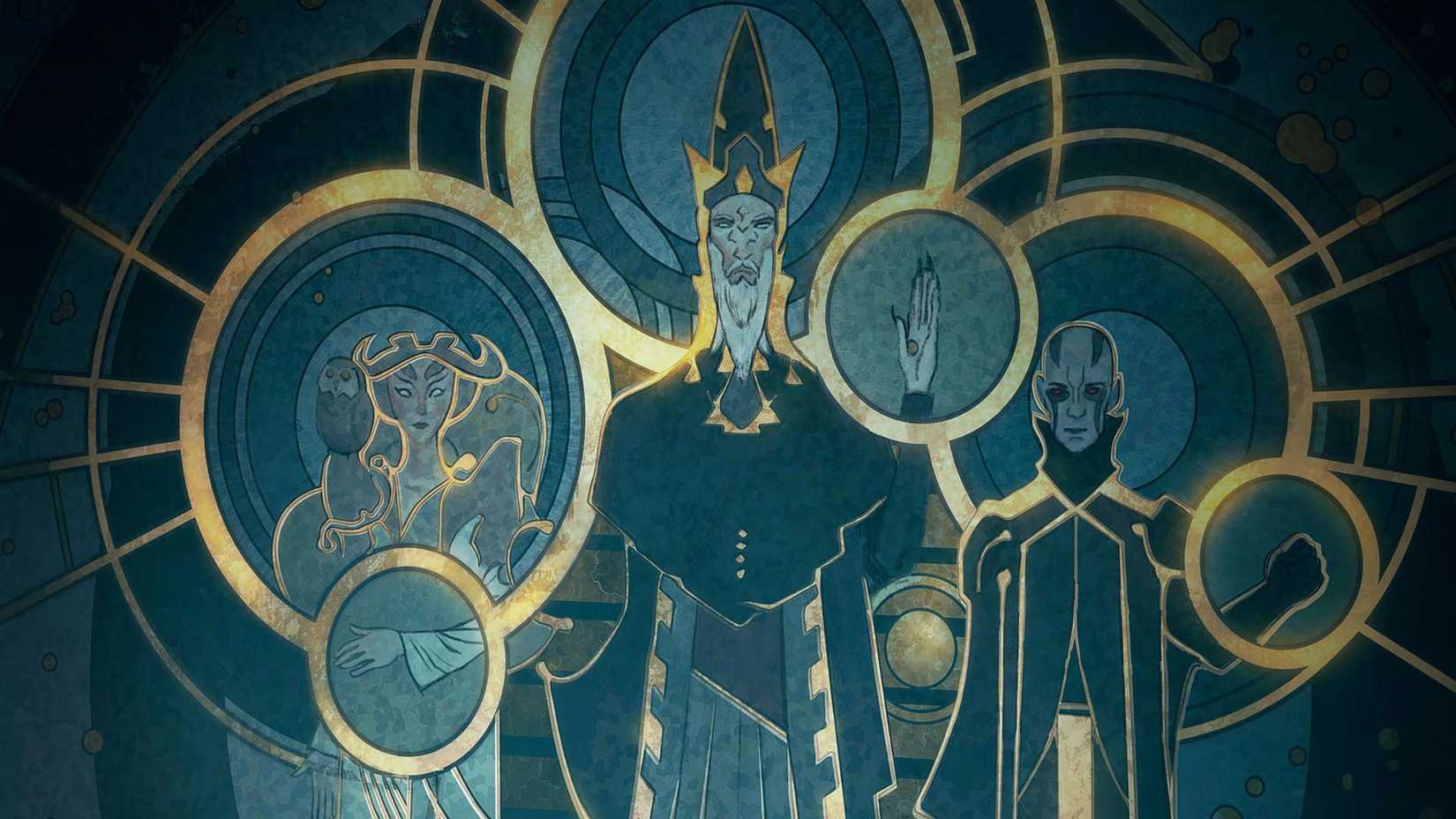 Image: Disney/Lucasfilm
Every corner of the Star Wars franchise hints that when the equilibrium of the Force is shattered, the consequences for mortals are catastrophic. While Palpatine is a quintessential villain, he seems trivial when compared to entities like Darth Nihilus. Nihilus is a true horror: an insatiable void who consumes the very life force of entire planets. He transforms the concept of Force usage into an existential threat—a hunger that knows no bounds.
A similar existential dread is found in Abeloth, a figure from the Fate of the Jedi legends. Once a mere mortal who sought to live eternally with the Mortis gods, she drank from the Font of Power and bathed in the Pool of Knowledge, resulting in a terrifying transformation into the “Bringer of Chaos.” Though currently relegated to Legends status, the increasing focus on deep Force mythology in shows like Ahsoka makes her eventual inclusion feel less like an impossibility and more like a looming, inevitable conclusion.
 Image: Chris Cold
Ultimately, figures like Abeloth represent the failure of dogmatic attempts to cage the Force within the constraints of “balance” or “light versus dark.” The Jedi sought to categorize and master the Force, but they were merely applying superficial labels to an incomprehensible, terrifying, and vast reality. As Star Wars continues to explore these grand, shadowed unknowns, it becomes increasingly evident that the Force was never meant to be owned, nor, perhaps, was it ever meant to be understood.
Source: Polygon
Related articles
 Resident Evil Requiem Producer Explains Inclusion of Grace Ashcroft
 Ace Combat 8 Developers Confirm Success With New Trailer Despite PC Issues
 Tekken 8 Character Reina Coming to Fatal Fury: City of the Wolves in December
 Paul Verhoeven Joins New RoboCop Series as Producer
 Developers Find Method to Run PS5 Games on PC Without Emulation
 Crunchyroll Reveals Title and Plot Details for The Apothecary Diaries Anime Film
 Ghost of Tsushima Legends Anime Delayed to 2028
 Charlie Cox Addresses Future as Daredevil After Series Finale