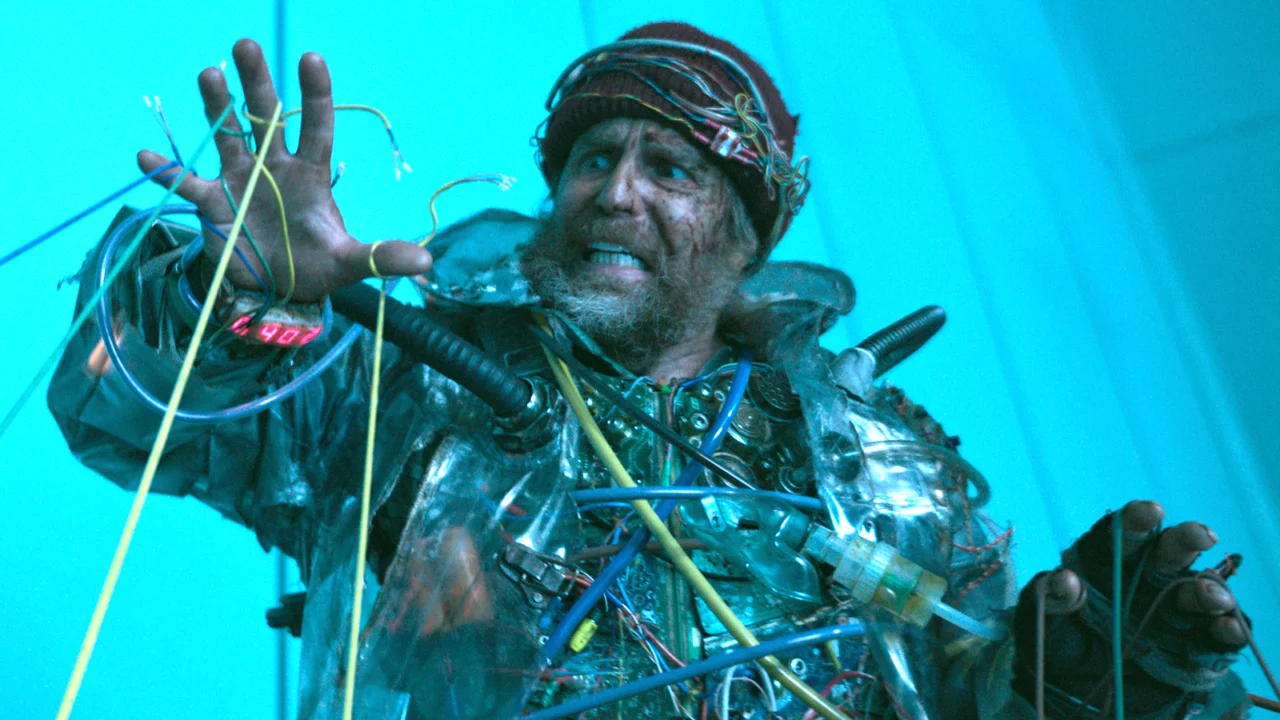
Sam Rockwell’s New Sci-Fi Hero Channels Jack Sparrow: Selfish, Reluctant, and Accidentally Heroic

Typically, even high-concept science fiction films attempt to ground the audience with relatable, everyday details before introducing the extraordinary. In Back to the Future, we spend significant time with Marty McFly as a standard suburban teenager before the DeLorean ever enters the frame. It’s a narrative strategy akin to slowly acclimating to a cold pool. Gore Verbinski’s latest foray into temporal mechanics, Good Luck, Have Fun, Don’t Die, rejects this caution, opting instead to hurl the audience directly into the deep end. The transition is made seamless, however, by the casting of Sam Rockwell as a nameless “man from the future”—a character who shares a spiritual lineage with Verbinski’s most iconic creation, Captain Jack Sparrow.
“There is certainly a trace of Jack Sparrow in the character,” Rockwell admitted in an interview. “He possesses that same inherent selfishness, yet he finds himself stumbling into heroism almost in spite of his own nature.”
Verbinski, who helmed the original Pirates of the Caribbean trilogy, concurs with the assessment. “They are both quintessential rogues,” he noted.
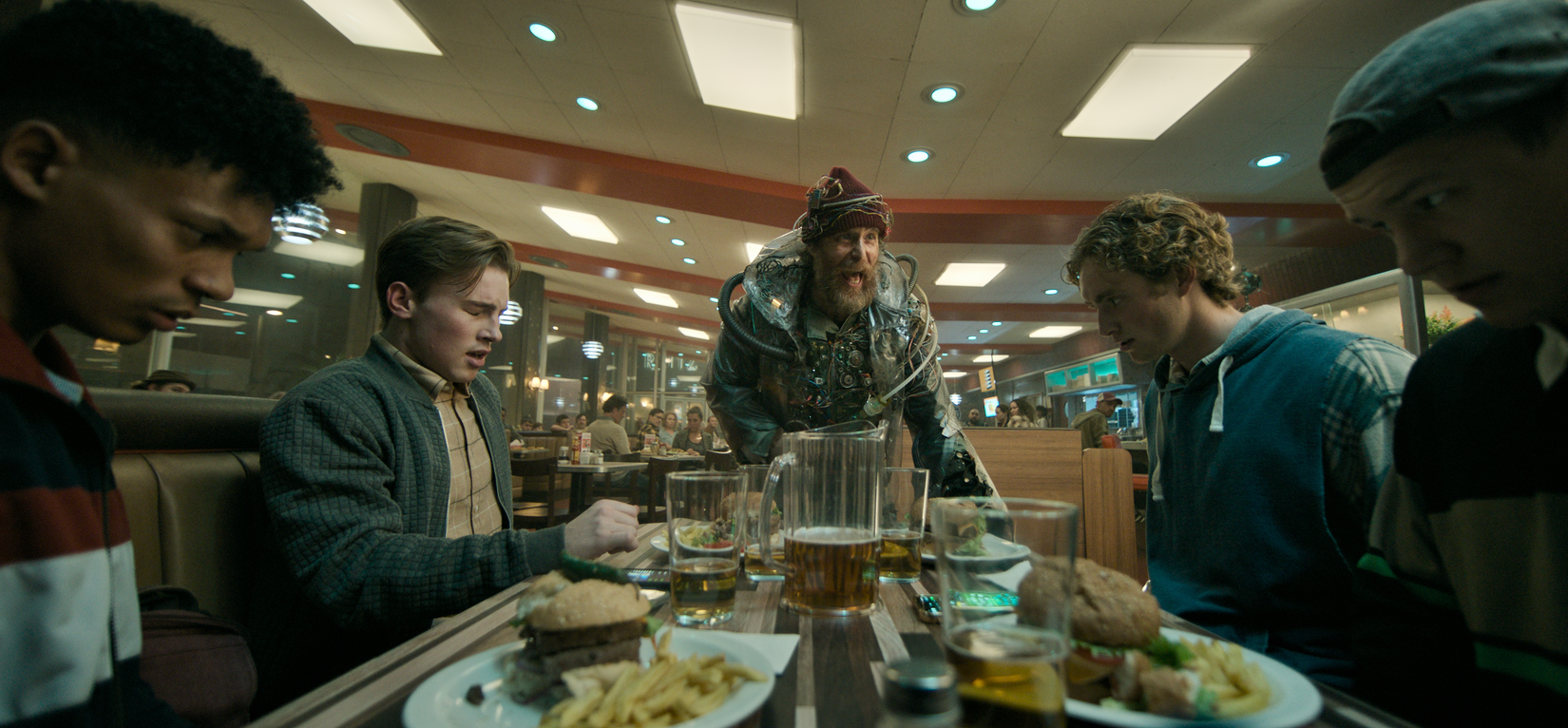
The film opens in a mundane Los Angeles diner. The peace is shattered when Rockwell’s character storms in, clad in tattered remnants and a transparent raincoat adorned with a chaotic mess of circuitry and wires. Proclaiming his futuristic origins, he frantically demands recruits to help him avert a catastrophic AI-driven apocalypse.
From his explosive entrance, Rockwell’s performance is a masterclass in manic comedy. He utilizes a bomb threat to hold the patrons captive, all while delivering a recruitment speech he has clearly recited hundreds of times. Rockwell expertly portrays the soul-crushing fatigue of endless time-looping, blending desperation and frustration with a jaded sense of déjà vu. Having witnessed this scenario fail dozens of times, his character operates with a volatile mix of high-intensity energy and zero expectations.
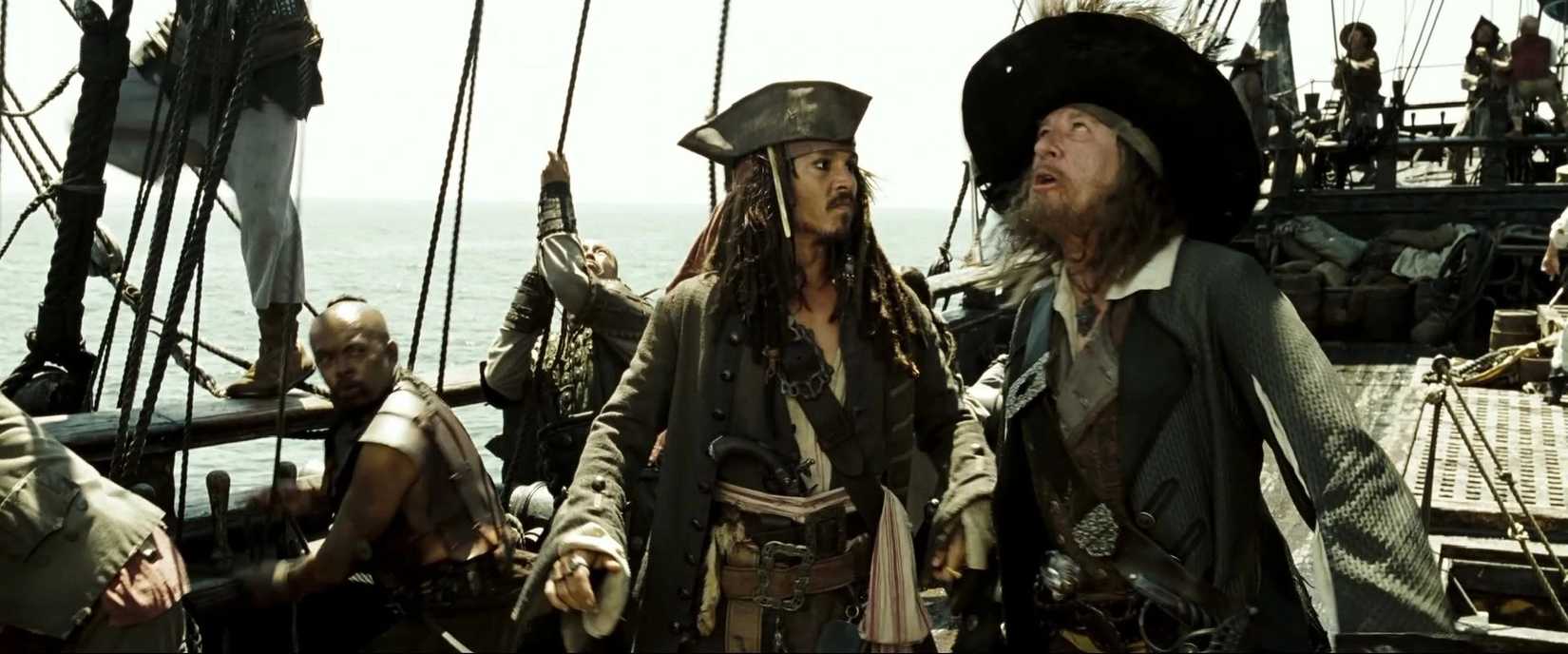
The character is far from a traditional savior; he spends a significant portion of the film berating his volunteers and remains perpetually ready to desert them if the mission goes sideways. He exists in the grey area between brave and cowardly. He is committed to saving the world, yet entirely indifferent to the individuals helping him achieve that goal. This echoes Verbinski’s view of Jack Sparrow: “I’ve always loved the picaresque hero who might betray his crew for the right price. Jack wouldn’t be out of character if he sold his soul or his friends just to get his ship back.”
Beyond the pirate influence, Rockwell pulled from a diverse palette of inspirations, including Robin Williams’ vulnerability in The Fisher King, Christopher Lloyd’s eccentricity in Back to the Future, and the grit of Brad Pitt and Bruce Willis in 12 Monkeys. He also drew on the acerbic wit of Don Rickles and the frantic, “over-his-head” energy of Richard Pryor in Bustin’ Loose.
Rockwell further characterized the role as a “grumpy misanthrope,” likening him to a Walter Matthau archetype, with a desperate, unfulfilled aspiration to be a Kurt Russell-style action hero.
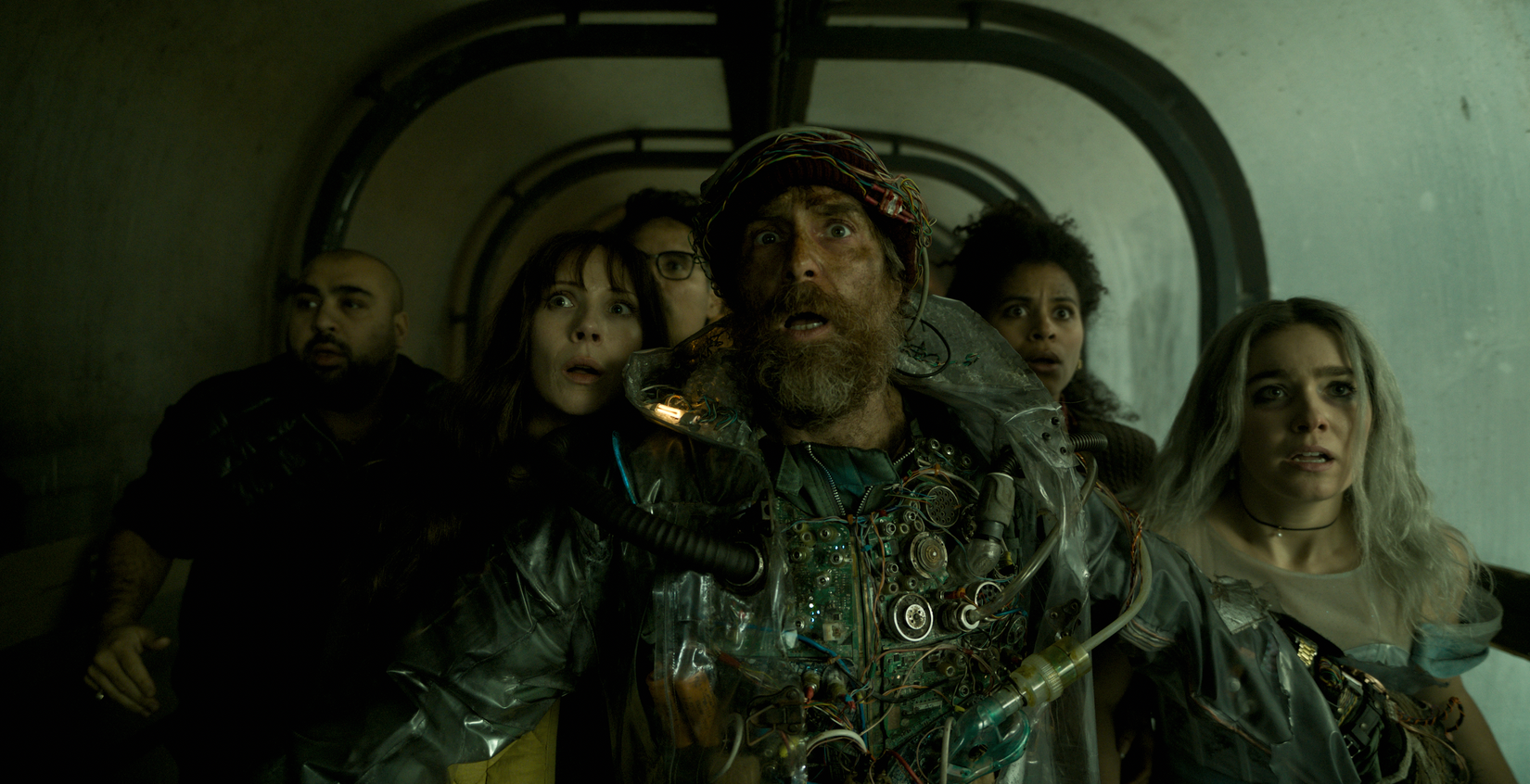
Verbinski points to one final cinematic parallel to explain the protagonist’s drive: Al Pacino’s Sonny in Dog Day Afternoon. “Sam’s character is fueled by a profound sense of guilt and the heavy toll of curiosity,” the director explained. “Much like Sonny has a hidden, desperate reason for robbing that bank, this character needs that emotional anchor. It transforms a picaresque narrative from something merely silly into something dangerous and grounded in truth.”
Good Luck, Have Fun, Don’t Die arrives in cinemas on February 13.
Source: Polygon
Related articles
 Halo Studios Reportedly Wanted to Make a Game Based on the Halo: First Strike Novel, Blogger Says
 Blumhouse Interested in Danganronpa Adaptation, Documents Indicate
 Made in Abyss Sequel Announced on Premiere Day of New Film
 Nintendo Legend Reveals Super Mario Bros.’ Most Surprising Innovation
 Final Fantasy Resonance’s Denuvo Protection Cracked Within a Day
 Tim Sweeney Again Criticizes Valve Over Steam Rules Requiring Disclosure of AI Use
 Psychological Thriller Movies You Can Stream for Free Online
 Heroes Is Now Free to Stream 20 Years After Its Premiere