
Rediscover Brad Pitt’s Brutally Intense WWII Epic for Free on Streaming
If you have spent significant time with Battlefield, you are familiar with the intoxicating allure of the tank commander fantasy. Leading an unstoppable crew, you plow through the front lines, shrugging off incoming fire as you reshape the terrain through sheer force of will. While this power fantasy is a staple of gaming, few films capture that visceral intensity quite as well as David Ayer’s 2014 war drama, Fury.
Streaming for free on Pluto TV this June, Fury follows a battle-hardened American tank crew navigating the harrowing final days of Nazi Germany. At the helm is Don “Wardaddy” Collier, portrayed with gravitas by Brad Pitt. His crew is a powder keg of personality: the volatile Grady (Jon Bernthal), the deeply religious Boyd (Shia LaBeouf), and Norman (Logan Lerman), a wide-eyed clerk thrust into the horrors of combat for the first time.
The film is rightly celebrated for its armored warfare. The climactic showdown between an American Sherman and a German Tiger tank remains a benchmark for cinematic tension—a claustrophobic, high-stakes duel where every projectile carries the weight of a life-or-death decision. It is arguably the closest any Hollywood production has come to translating the chaotic momentum of a Battlefield campaign to the big screen.
However, what truly elevates Fury above typical war-movie fare isn’t the explosive combat—it’s a quiet, fragile interlude within a civilian apartment that anchors the entire narrative.
From the outset, Wardaddy is presented as a morally complex, if not outright brutal, leader. He views Norman’s reluctance to kill as a fatal liability, pushing the boy toward horrific acts to “harden” him. Whether this is born of necessity or a sadistic streak is initially unclear. Pitt portrays Wardaddy as a man so eroded by the grind of war that he has lost the ability to conceptualize peace. He moves through the world with a hero’s swagger, but director David Ayer constantly hints at something much darker beneath the surface.
The tone shifts abruptly when the unit occupies the village of Kirchohsen. Wardaddy drags Norman into an apartment housing two German women, forcing his way into their sanctuary with a menacing, aggressive dominance. It is an uncomfortable scene that leaves the audience bracing for the worst.
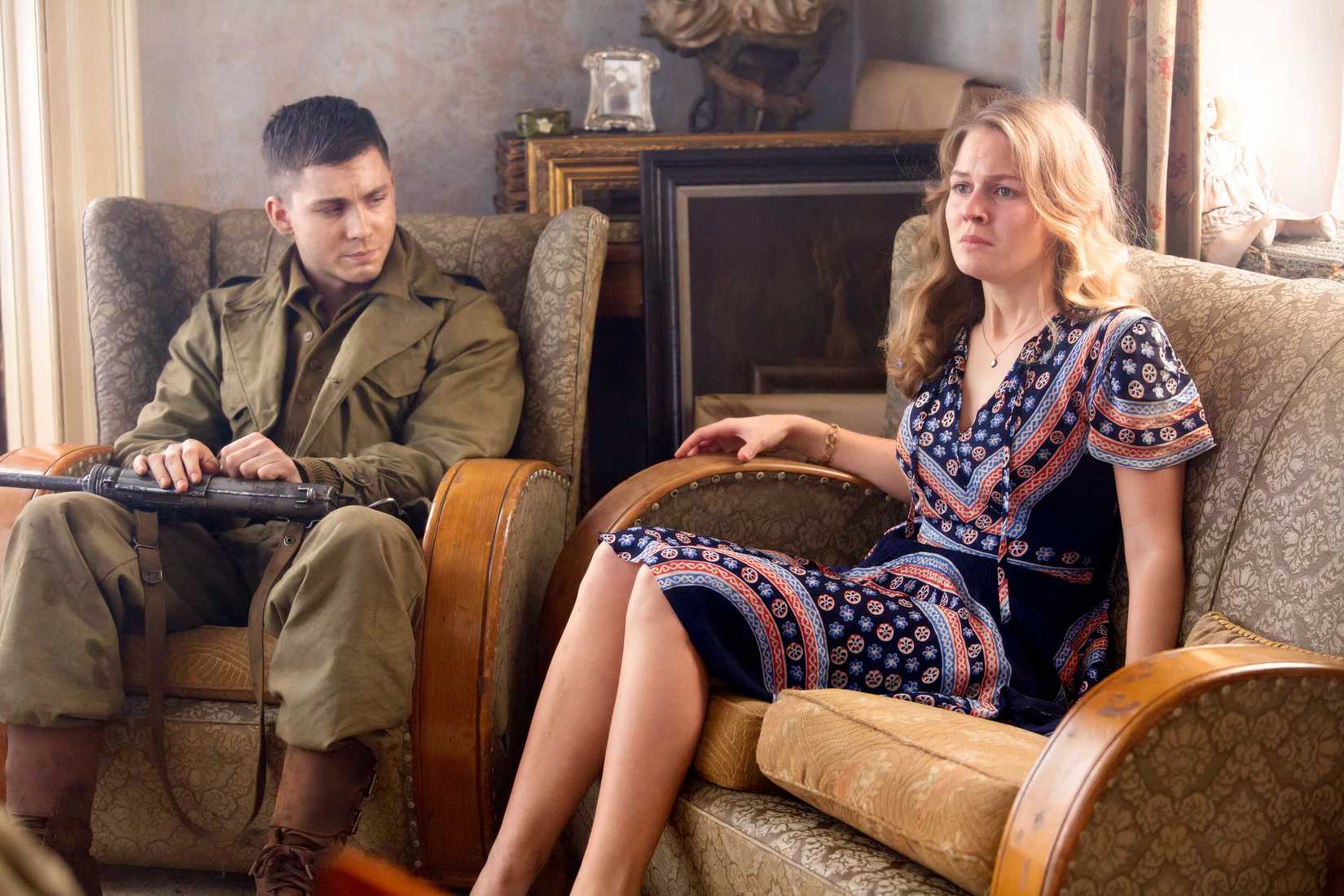
Then, the tension dissolves into something profoundly human. Wardaddy asks for water, shares cigarettes, and offers eggs, shifting the dynamic from predatory to oddly tender. As Norman plays the piano and Emma sings, the surrounding sounds of gunfire and destruction seem to vanish. For a fleeting moment, they are simply people attempting to reclaim a shred of normalcy amidst the wreckage of their lives.
This sequence reveals that Wardaddy has not been hollowed out; rather, he is desperately clutching onto the final, brittle shards of his own humanity. He guards that small sliver of decency with the same care he gives the fresh eggs in his tin.
Ultimately, Fury posits that survival in war is not merely a physical challenge, but a relentless assault on the soul. The tragedy is that this moment of peace is transient, soon shattered by the arrival of his crude, unforgiving crew. More than a decade later, the film remains memorable for its tank spectacle, but it is this apartment scene that endures as its true emotional core—a sobering, honest reflection on what is irrevocably lost when a soldier goes to war.
Source: Polygon
Related articles
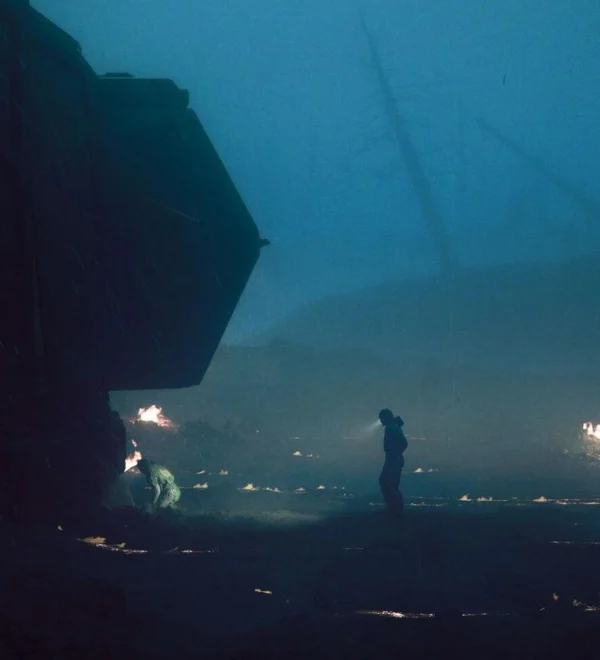 Alien: Isolation 2 First Gameplay Footage Released
 Pokémon Animated Film Wild Card Announced With First Teaser Trailer
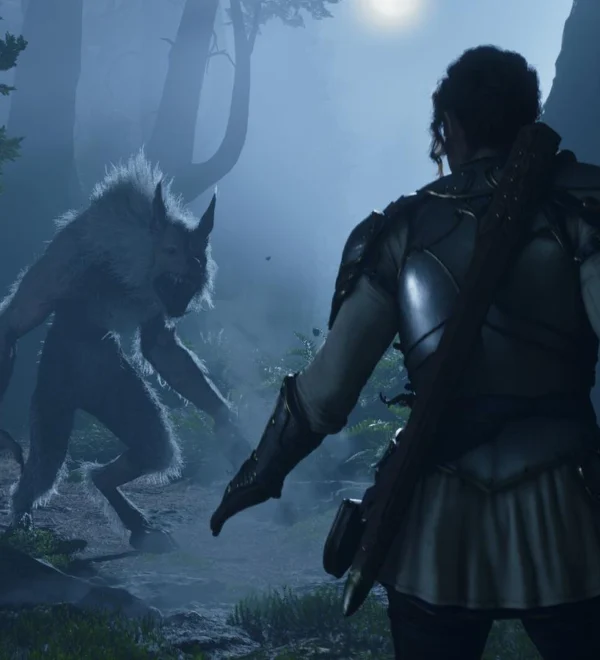 Developers Say Fable Will Feature Major Changes Instead of Minor Upgrades
 Gargoyles Live-Action Series Cancelled, Creator Confirms
 Netflix and Mojang Deny Cancellation Rumors, Confirm Minecraft Animated Series Remains in Development
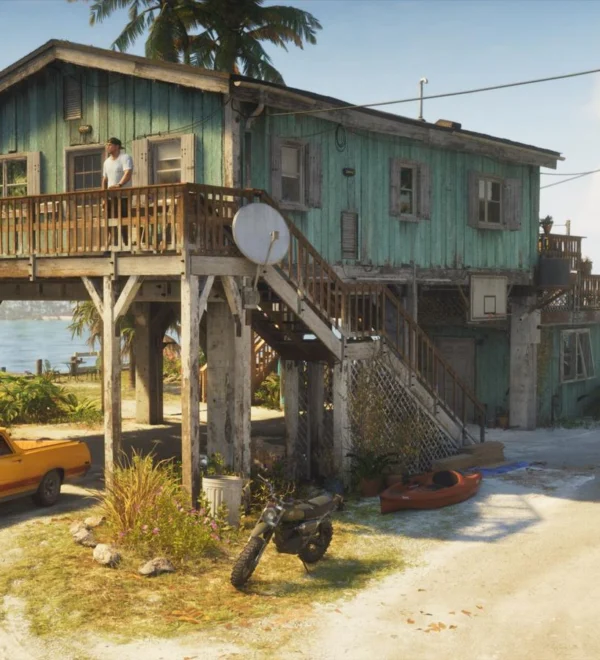 Rockstar Handcrafted Background Rooms in GTA VI to Enhance Detail
 GTA 6 Hype is Sending PS5 Pro Prices Through the Roof
 DC Comics Unveils New Wonder Woman Successor