The PlayStation 5 has been a commercial triumph — selling north of 80 million units (as of June 30, 2025) — and comfortably outpacing the Xbox Series X in hardware sales. Its financial impact shows up in Sony’s balance sheet too: strong digital revenues and an engaged player base have driven a meaningful boost to operating income, while PlayStation Network activity has surged into the hundreds of millions of monthly active users. Profitability is following the engagement.
That commercial momentum arrived alongside an unlikely advantage: Microsoft’s strategic pivot toward PC, Game Pass, cloud services, and its transformative acquisition of Activision Blizzard. Those moves enlarged Microsoft as a publisher but diluted focus on Xbox consoles and their exclusive line-up, leaving PlayStation with a clearer path to console dominance.
Five years in, Microsoft releases many of its blockbusters across platforms — including PlayStation — and even Halo is headed to PS5. In symbolic terms, the console conflict feels settled: PlayStation emerged on top.
So why does the PS5 sometimes feel like a disappointment?
The sense of underwhelm comes from a knot of related causes: hardware choices, a thin pipeline of exclusive software, a slowdown in perceptible technical progress, shifting player priorities, and the extraordinary timing of the hardware rollout in the middle of a global pandemic.
To understand how we got here, rewind to the PS4: Mark Cerny’s pragmatic engineering replaced the grandiose, hard-to-develop architecture of the PS3 with a straightforward, developer-friendly platform built around AMD silicon. The goal was clear — target 1080p TVs and make life easier for multiplatform studios — and the plan worked.
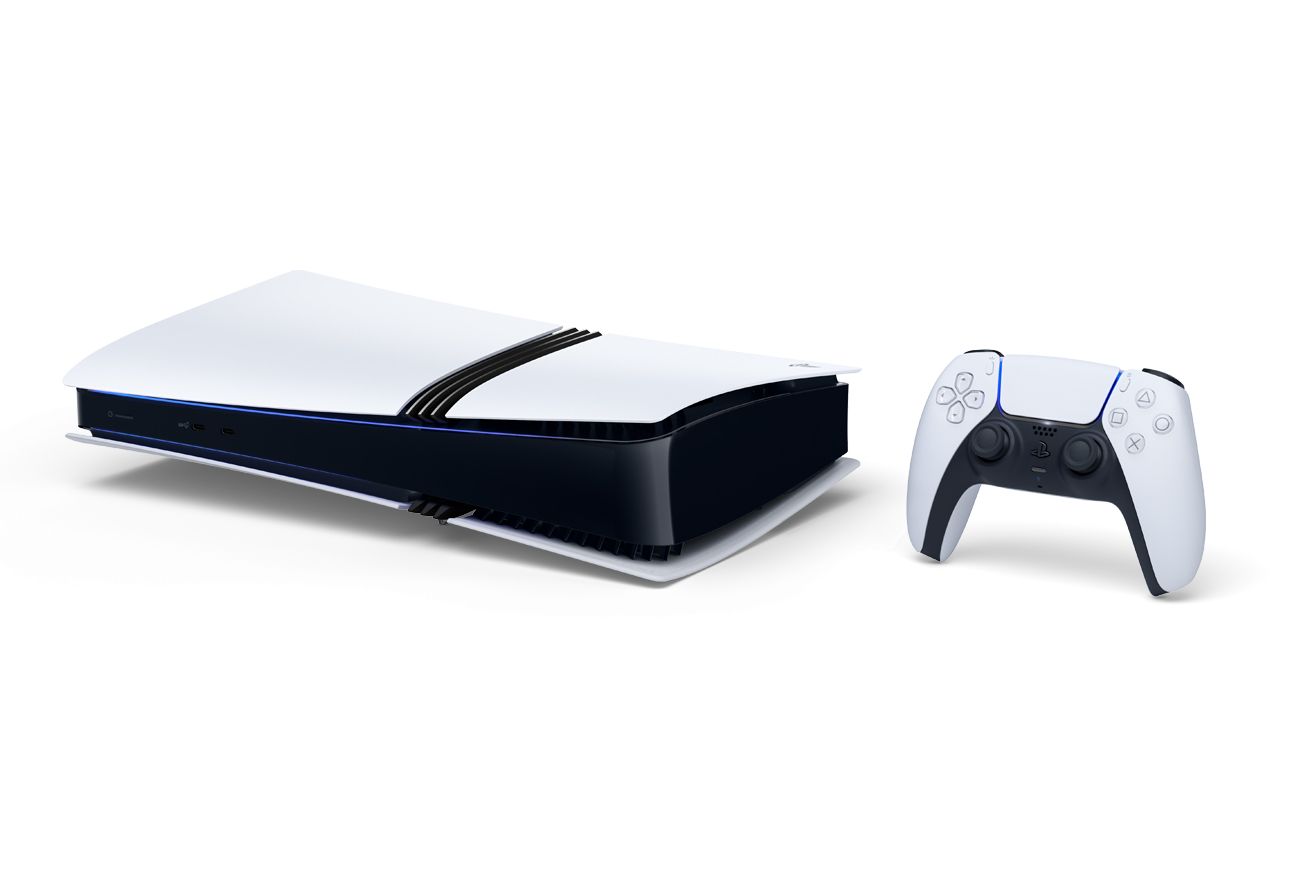
The PS5 followed that same philosophy: more power, the same developer-friendly mindset, and modern expectations such as 4K output and dramatically reduced load times. But pushing toward 4K was a steep technical jump, and the result was a burdensome, expensive design. Styling choices meant to disguise the bulk didn’t age gracefully, and iterative trims like the “Slim” did little to alter the impression.
And the payoff? Not always proportional. The standard PS5 often struggles to deliver native 4K at reasonable framerates on demanding AAA titles, and the dream of ubiquitous 60 fps faded for many releases. Meanwhile, it’s unclear how many mainstream buyers truly perceive or prioritize the visual difference between high-end PS4 outputs and native 4K on PS5.
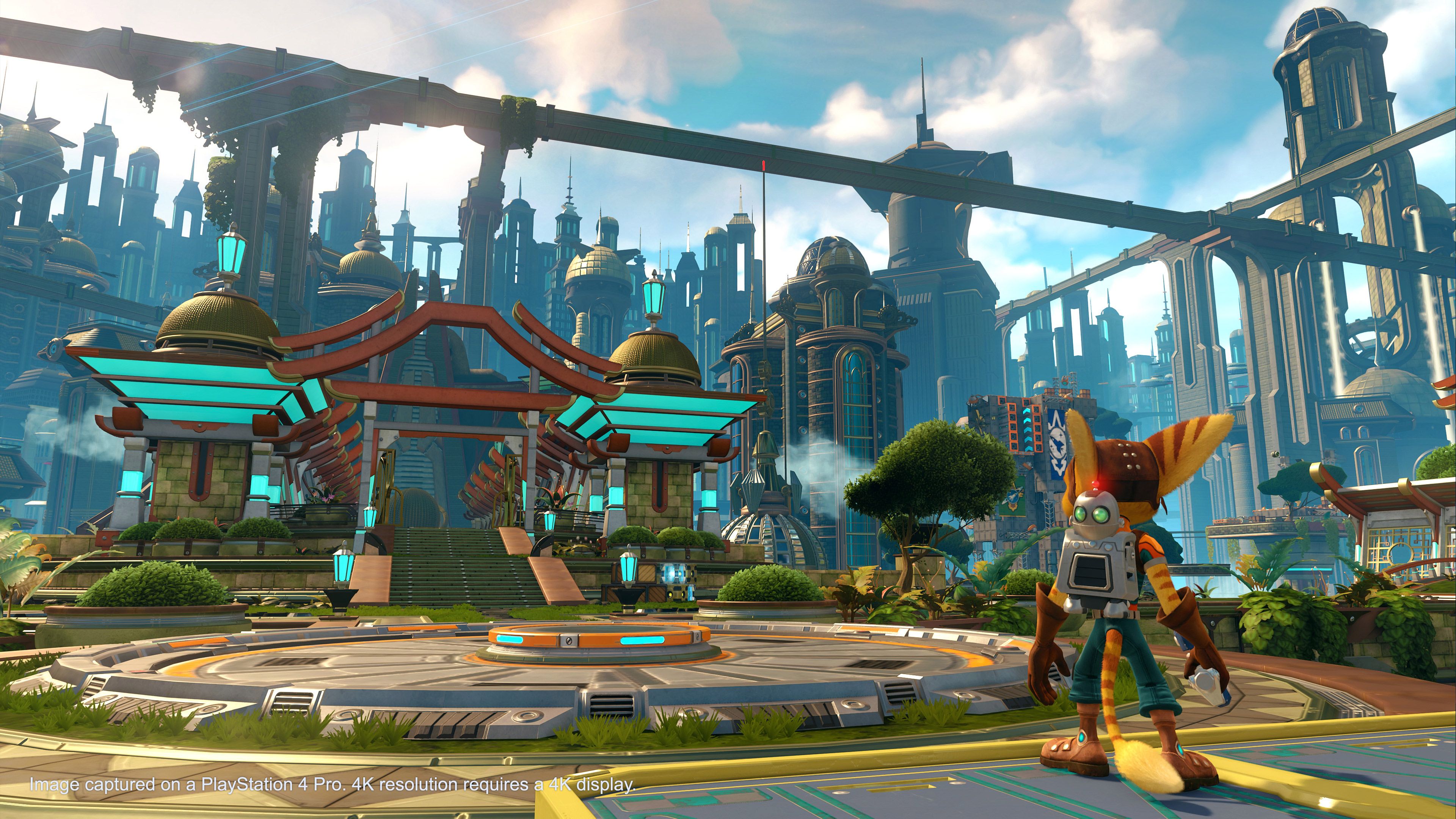
At launch, a few first-party exclusives made strong impressions — but not always in proportion to the console’s price. Diminishing returns were evident: a title that looks great doesn’t necessarily feel $500 better than on the previous generation. At the same time, players’ habits evolved. Backward compatibility with PS4 was a major relief after PS3’s troubled transition, and it also blurred the line between console generations: many players kept playing on older hardware, and developers continued to target PS4 to retain that large audience.
That cross-generation overlap, coupled with early missteps such as a troubled Cyberpunk 2077 release, reduced the urgency to migrate to PS5. Simultaneously, an ecosystem of lightweight, hugely popular live-service games — Fortnite, Roblox, Minecraft — runs well on older hardware, further weakening the argument for an upgrade among tens of millions of users. Publishers routinely ship PS4 versions alongside PS5 releases; even Sony waited two to three years before making its biggest titles PS5-only.
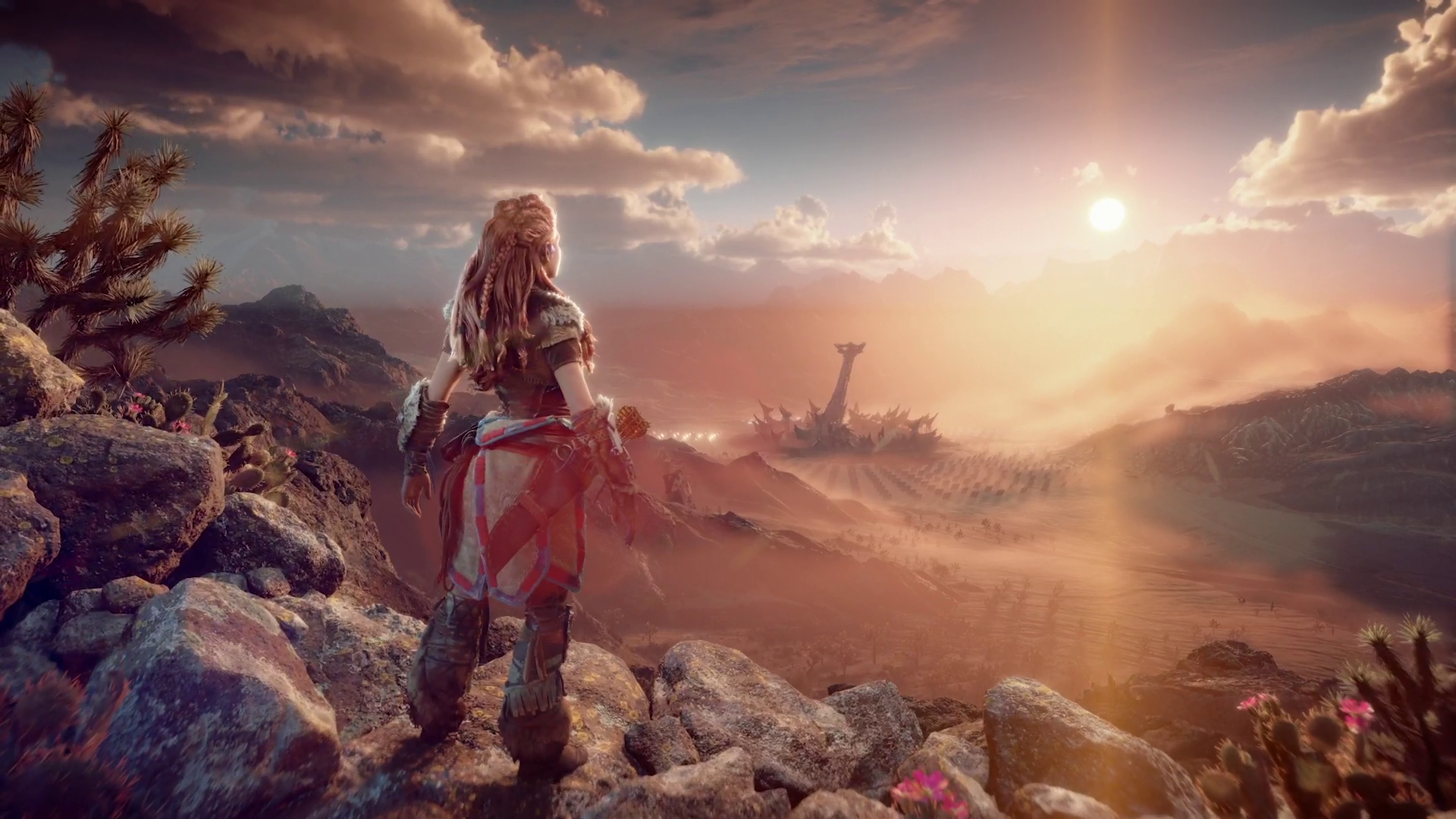
Ultimately, the biggest shortfall is software. PS5 has produced standout games, but not at the cadence or exclusivity expected from a new generation. Rising development costs, pandemic-related delays, and shifting internal priorities all contributed. Sony’s own ambitions to chase live-service models left several marquee projects unfinished or canceled — from multiplayer takes on flagship franchises to entirely new studios shuttered after rocky launches.
That said, PS5 has seen genuinely excellent, platform-defining titles: Astro Bot, Death Stranding 2, Spider-Man 2, Final Fantasy VII Rebirth, Returnal, Demon’s Souls, and others. Third-party highlights that fully embraced the generation — Baldur’s Gate 3, Tekken 8, Alan Wake 2 — also helped. But when you exclude everything playable on PS4, the exclusive body of work across five years is thinner than many expected. The anticipated seismic title, Grand Theft Auto VI, is scheduled to arrive after the PS5’s sixth birthday in November 2026 — potentially too late to shape this generation’s narrative.

So why did the PS5 sell as well as it did? The timing helped: it launched into a pandemic-driven surge in gaming demand, and supply constraints early on only increased desire for the device. Sony’s production eventually caught up, but PS5 sales have not catastrophically outpaced PS4’s long-term trajectory — the market expanded during the pandemic, but the uplift has not translated into an overwhelming PS5 domination.
Looking ahead, the picture is mixed. Rumors of a PlayStation 6 circulate, but escalating costs for cutting-edge hardware make it hard to envision a successor that is both meaningfully more powerful and affordable. At the same time, the growth of PC gaming, the tentative rise of cloud streaming, and Xbox’s strategic repositioning raise honest questions about the future shape of console generations.
The PS5 won the battle for console sales, but its legacy is still being written. Sony did what it needed to do to win market share — yet the console has not, so far, secured a broad cultural imprint or a steady stream of must-have exclusives. We may be entering a transition where the notion of distinct console generations changes, or where future PlayStations feel very different from what we expect today.
Source: Polygon