
Pixar Employees Reflect on the Irresistible Charm of ‘Boundin’’ 23 Years Later
When the high-octane superhero adventure The Incredibles premiered in 2004, it marked a new pinnacle of intensity for Pixar. However, the short film paired with it offered a striking departure in rhythm and atmosphere—a creative gamble that initially gave the studio’s leadership pause. Osnat Shurer, a former executive producer at Pixar, remembers co-founder Steve Jobs finding brilliance in the dichotomy: “There’s just something cool about these two very different styles that tells you something about our studio.”
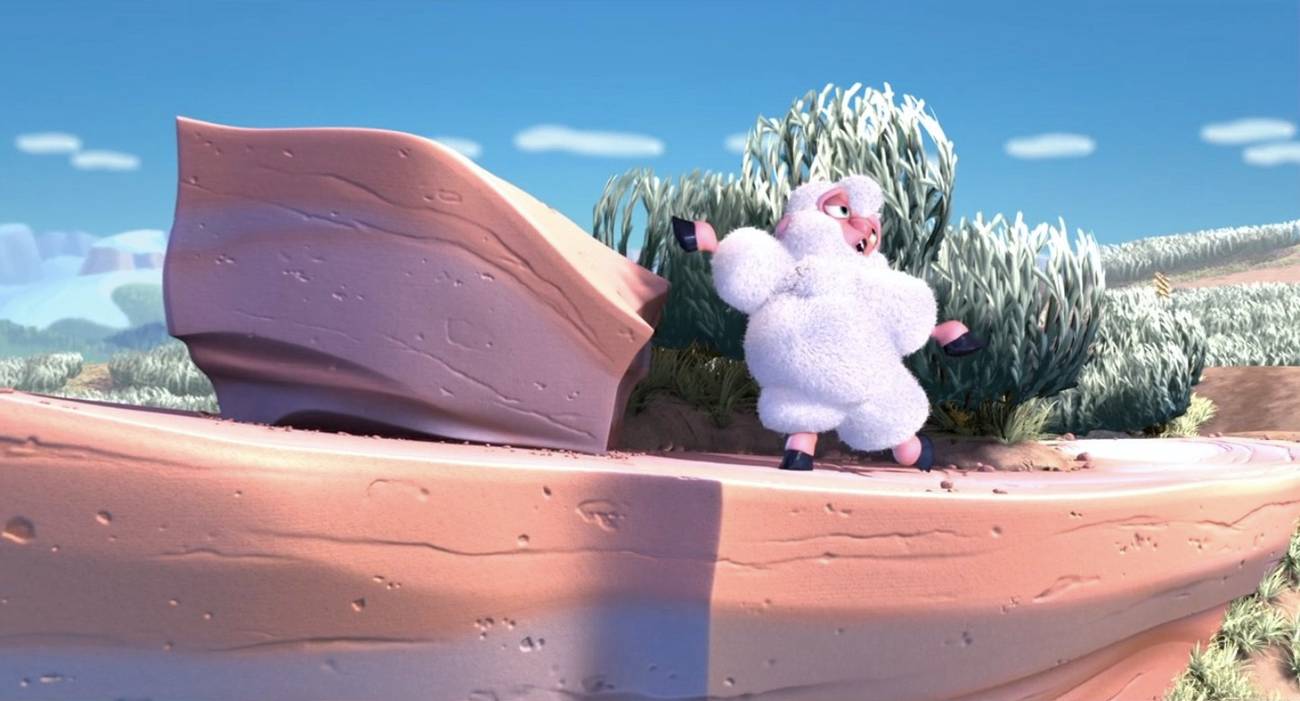
That short was Boundin’, a rhythmic folk tale driven by the twang of a banjo and a gravelly, rhyming narration. It tells the story of a flamboyant lamb with a lustrous, snowy coat whose days are spent dancing for an adoring desert audience. His world shatters when he is shorn for the first time, leaving him pink-skinned, spindly, and stripped of his dignity. Abandoned in the dust, the lamb’s once-boundless confidence evaporates.
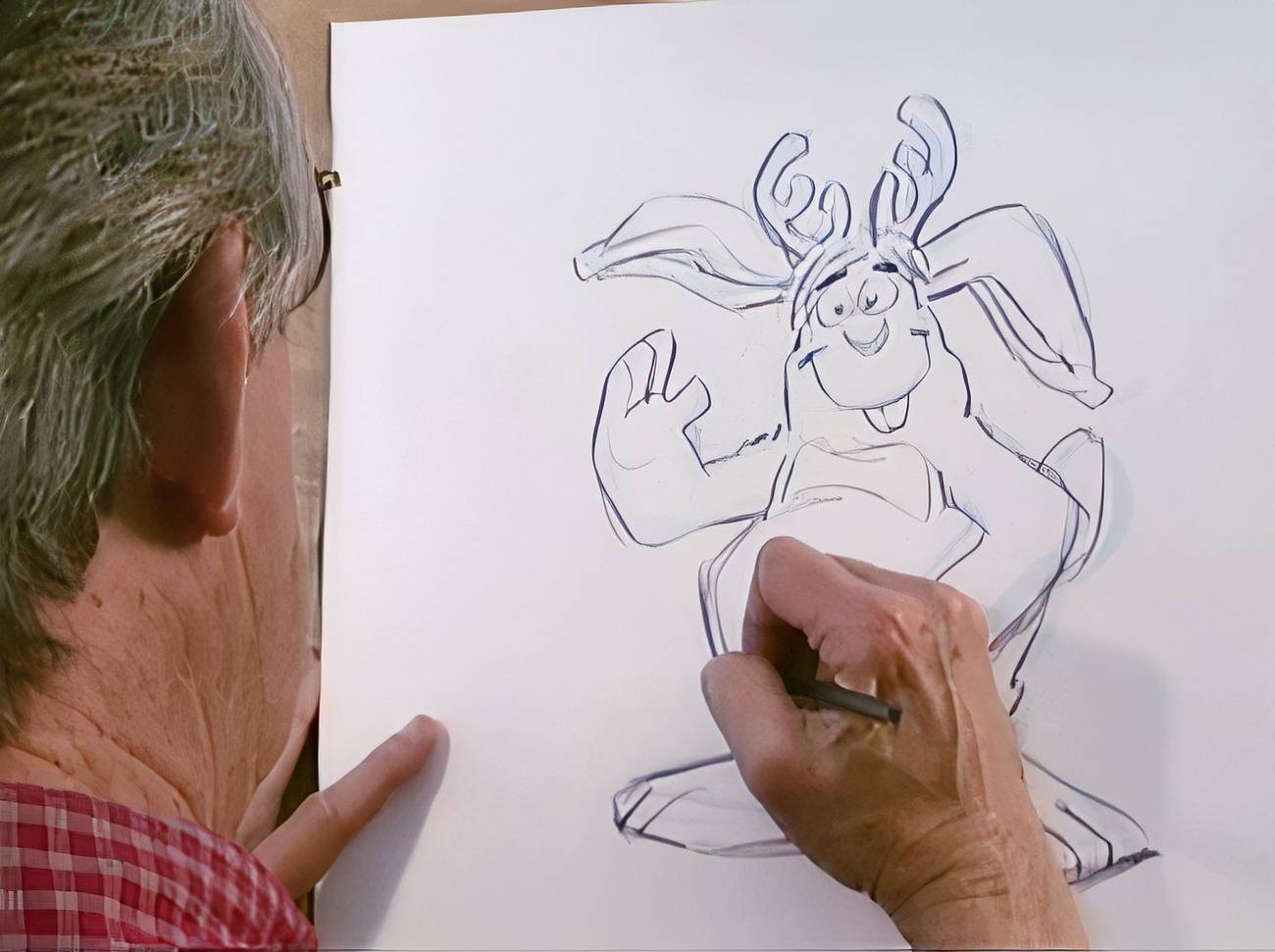
The narrative shifts with the arrival of a mythical, antlered rabbit. “Then a-boundin’ up the slope came a great American jackalope,” the story continues. Seeing the lamb’s distress, the wise creature offers a philosophical perspective on resilience. He introduces the lamb to a high-flying dance called “boundin’,” a metaphor for leaping back from life’s inevitable hardships.
This newfound spirit transforms the lamb. Even as his wool is harvested year after year, he maintains his joyful bounce, no longer tethered to his vanity. The film concludes with the jackalope disappearing over the horizon, leaving behind a lasting sentiment: “Now in this world of ups and downs / so nice to know there are jackalopes around.”
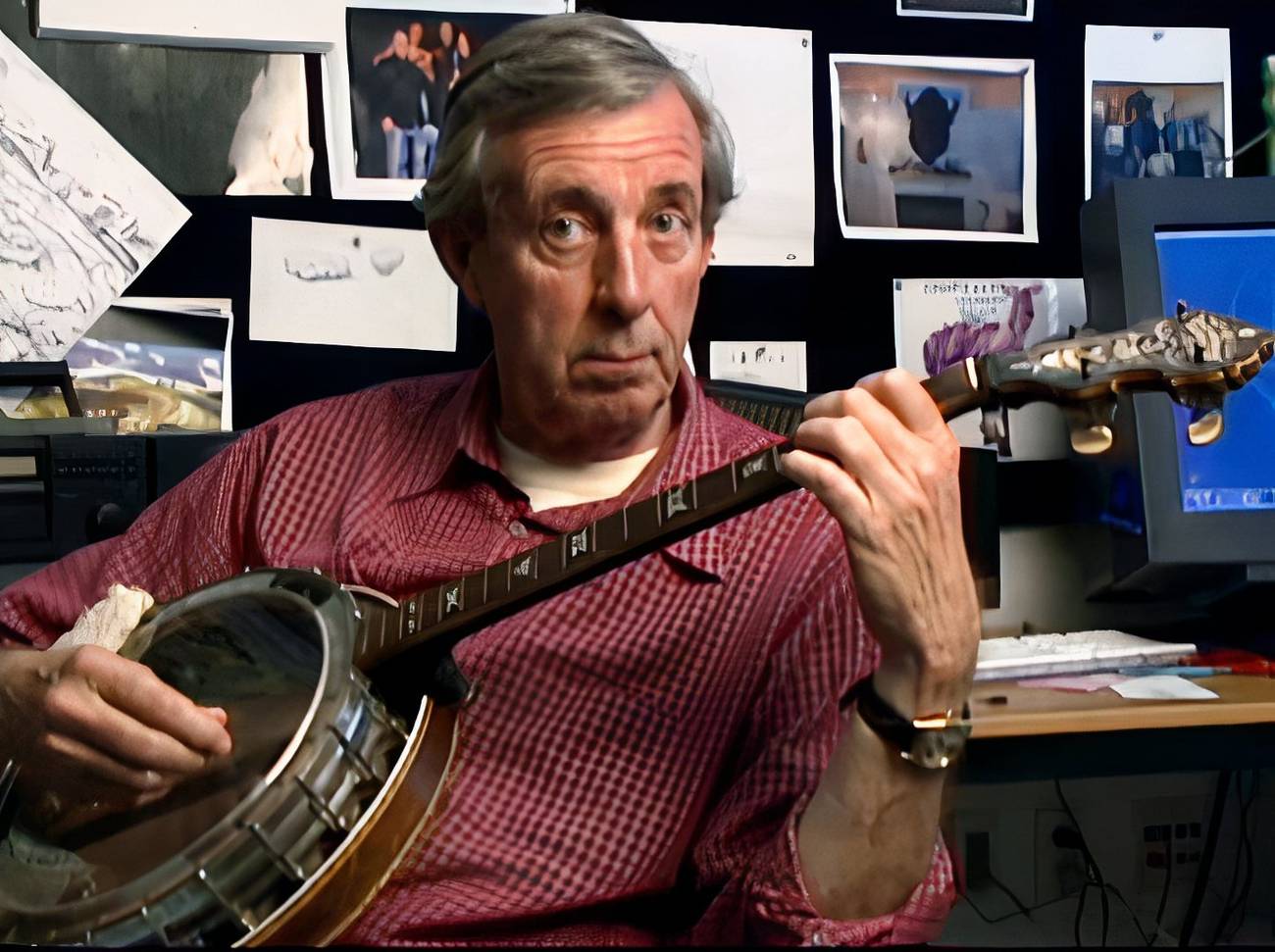
From its lyrical composition to the distinctive voiceover, Boundin’ is the singular vision of the late Bud Luckey. A pioneer at Pixar, Luckey was among the studio’s earliest hires, bringing a lifetime of traditional experience to a team of younger digital artists. His fingerprints are across eight Pixar features, including his role as the voice of Rick Dicker in The Incredibles and Chuckles in Toy Story 3. Crucially, Luckey was the architect of Woody’s soul; in the early development of Toy Story, he reimagined the protagonist from a ventriloquist’s dummy into a charming cowboy.
Despite his foundational role at the company, Boundin’ remains the only project he ever directed. It was a deeply personal, semi-autobiographical labor of love. To honor his legacy, several former colleagues shared their memories of the man who defined the “Old West” spirit of the studio.
The Modern Cowboy of Animation
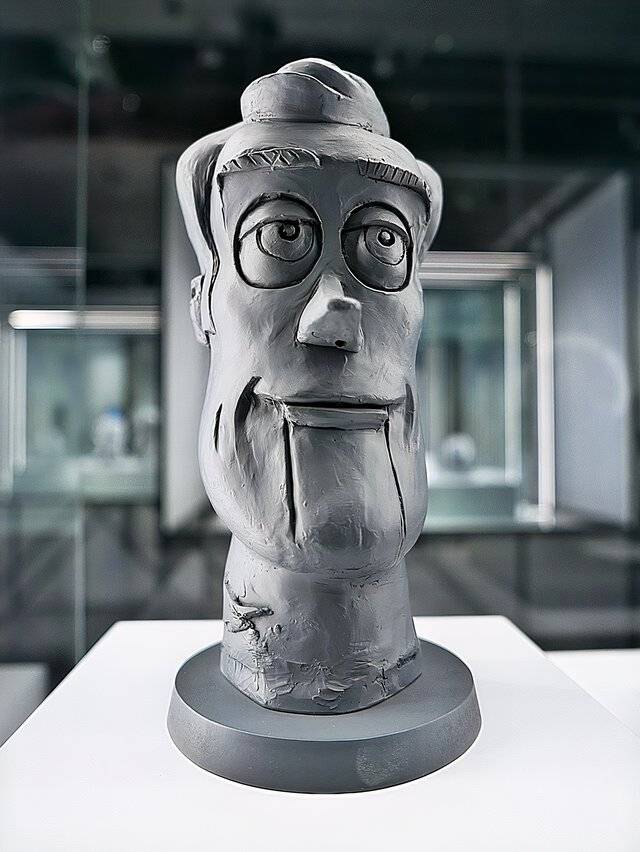
“Bud was a cowboy, first and foremost, in the traditional ‘disappearing Old West’ kind of way,” explains Lightyear director Angus MacLane. Born in Montana in 1934, Luckey’s passion for the medium was ignited by Snow White and the Seven Dwarfs. After serving in the Air Force, he honed his craft at the Chouinard Art Institute. His pre-Pixar career was prolific, notably creating iconic Sesame Street segments like “Ladybugs’ Picnic.”
Luckey joined the fledgling Pixar in 1992 as its fifth animator. While computer animation was still in its infancy, the veteran artist embraced the new frontier with curiosity. Craig Good, a long-time Pixar artist, notes, “Bud joked that he went from using animation to teach kids numbers to having those kids use numbers to teach him animation.”
The Genesis of an Icon
Luckey’s most enduring contribution was transforming Woody’s identity. “It was Bud who said, ‘Buzz is basically an intergalactic police officer, so wouldn’t the corollary be an Old West sheriff?’” Good recalls. Beyond character design, Luckey brought a cinematic eye to the storyboards. The iconic moment where Buzz Lightyear first blinks on Andy’s bed was a “Bud shot,” according to co-director Roger Gould.
Despite his vast influence, Luckey remained remarkably unassuming. “The man had no ego, was very understated,” says Ken Mitchroney. Jerome Ranft, a sculptor at the studio, remembers Luckey as a man of eclectic interests—from model trains to the acquisition of a full-sized buffalo head for his home.
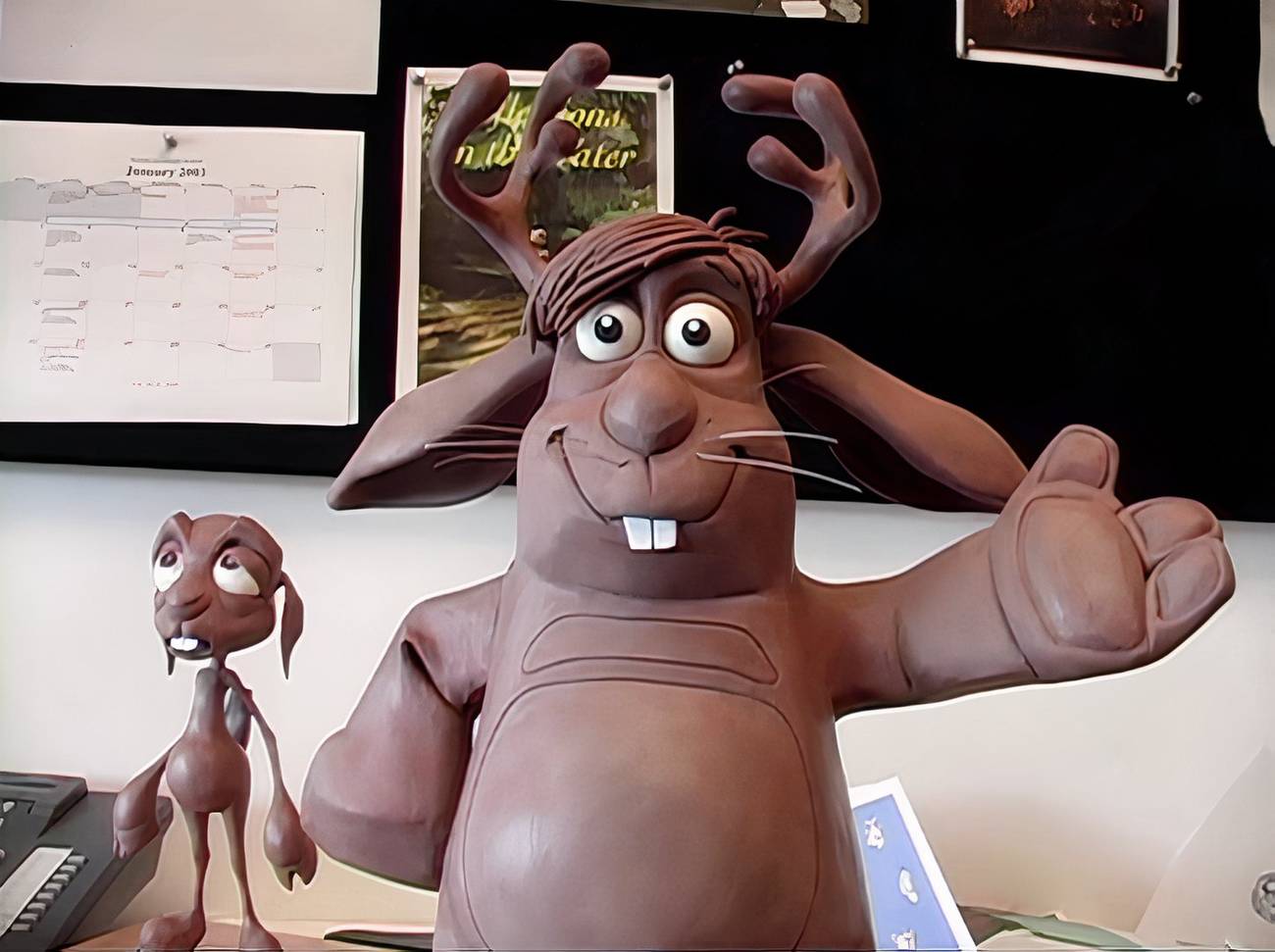
The Birth of a Passion Project
While Pixar often used shorts to groom new feature directors, Luckey was content with his role. When asked about directing a feature, he famously replied, “That’s a young man’s job.” However, he couldn’t pass up the opportunity to pitch Boundin’. He walked into the pitch meeting with a banjo and a handful of sketches, winning over the room instantly.
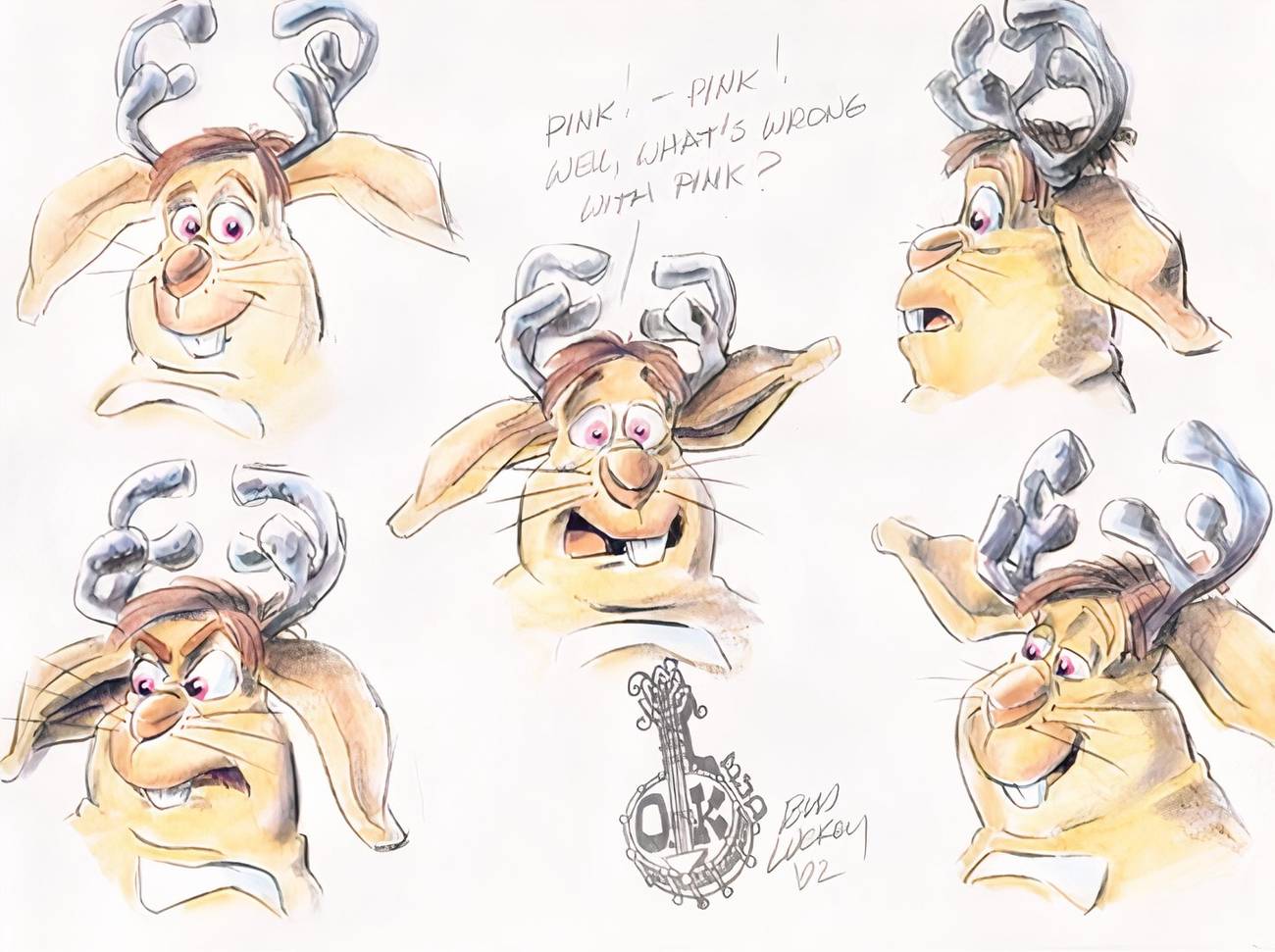
Bringing the Vision to Life
Luckey was meticulously involved in every frame. The story was inspired by a childhood memory of seeing a shorn sheep shivering in the Montana rain. He insisted on authenticity, even bringing actual sagebrush back from Montana to ensure the color palette was accurate. “People being particular about things is what we do,” says editor Steve Bloom.
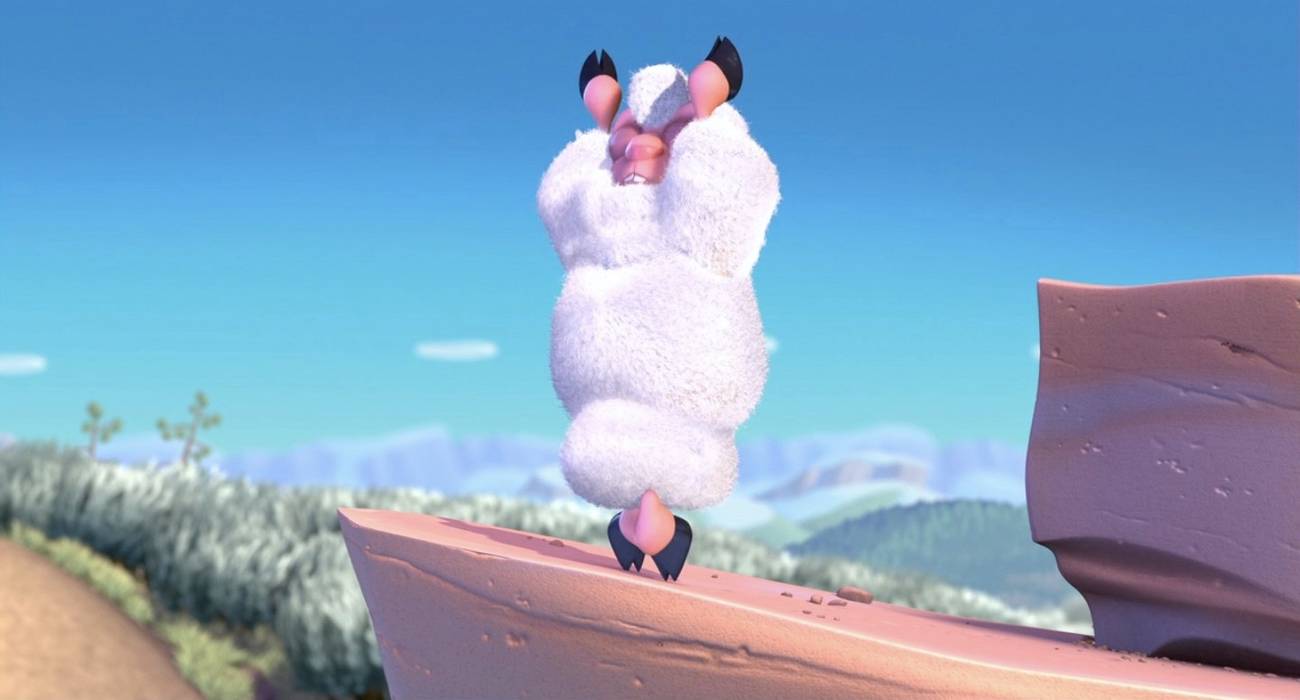
The animation team worked hard to replicate Luckey’s hand-drawn sensibilities. He favored a “baggy-pants” style—a loose, jiggling movement inspired by vaudeville and 1930s tap dancers like Buddy Ebsen. The “carousel shot,” where the lamb bounds through changing seasons, served as a collective signature for the animators, with each contributing a single leap.
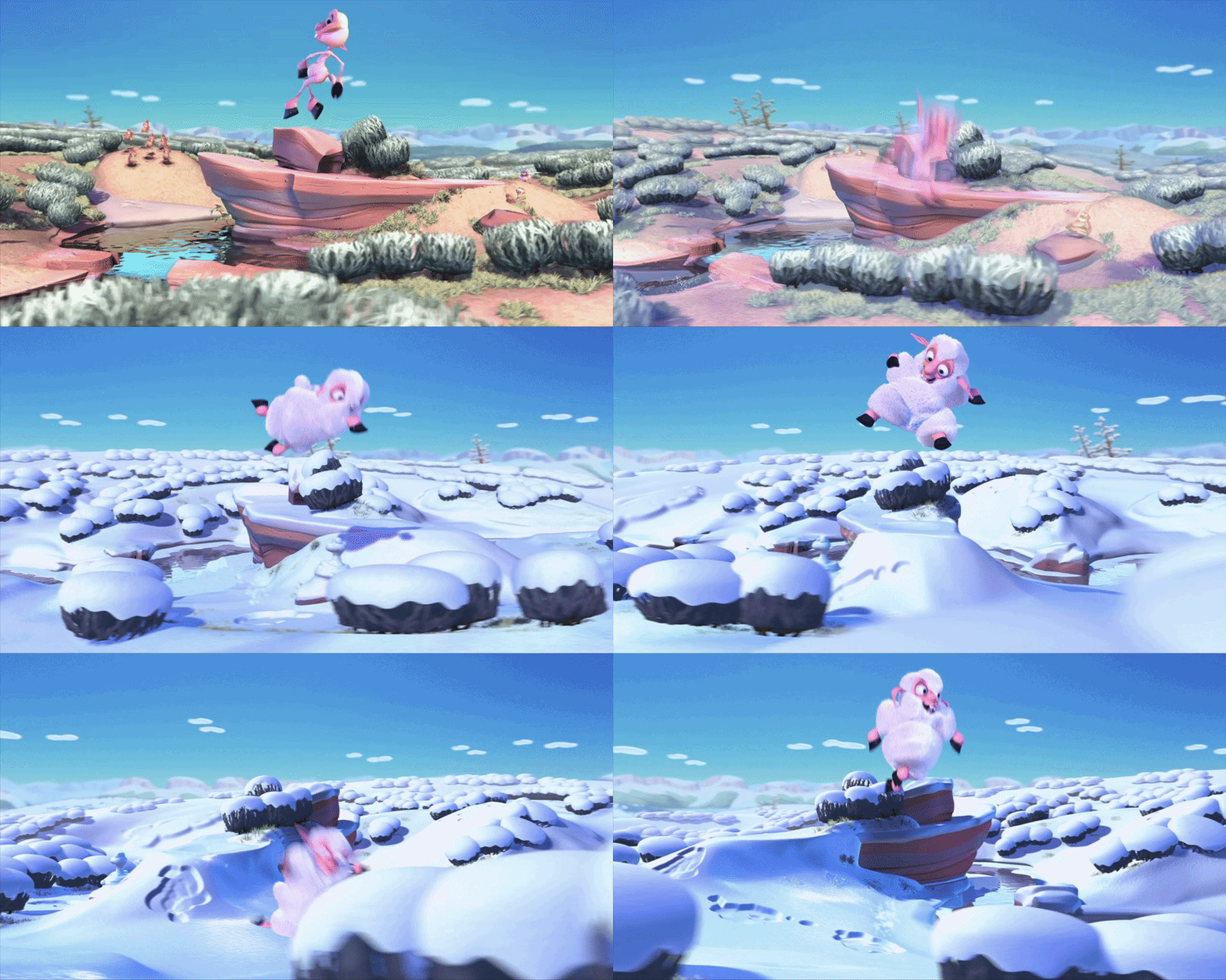
A Lasting Legacy
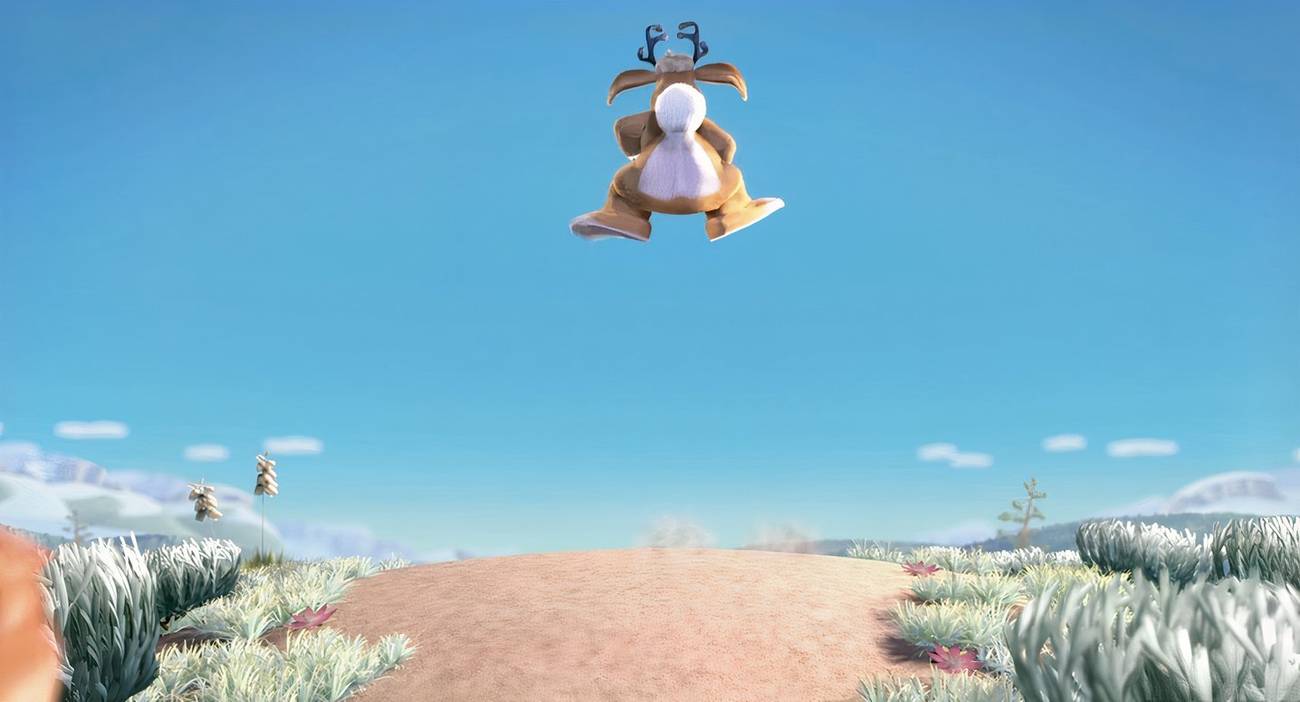
Boundin’ went on to earn an Academy Award nomination and found a special place in the hearts of children dealing with hair loss and alopecia. For Luckey, the project was a crowning achievement in a career that spanned over six decades. Osnat Shurer summarizes the film as more than just a short: “It was way more… like a valentine to Bud. We love Bud and this is so Bud.”
Source: Polygon
Related articles
 Microsoft Announces ID@Xbox Showcase Featuring 20 Games
 Uncharted 2 Turns 17 as Players Recall Naughty Dog’s Acclaimed Sequel
 House of the Dragon Star Reveals When Final Season Filming Begins
 Vision and Ultron Return as Vision Quest Premieres on Disney+
 Clayface Stuns Critics With Its Brutality
 Rockstar Co-Founder Says GTA III Cover Art Was Created Two Days Before Release
 Battlefield 6 Developers Sell Class Progress and Ranks in New Edition
 Does Street Fighter Have a Post-Credits Scene