As a seasoned devotee of Ice-Pick Lodge’s Pathologic, my anticipation for Pathologic 3—the latest reimagining of the cult-classic 2005 survival odyssey—has been tinged with a growing sense of trepidation. The studio has endured a tumultuous few years. Since the 2019 launch of Pathologic 2, which was originally intended to house this story as a DLC expansion, the developer has navigated a studio relocation from Russia to Kazakhstan, the highly publicized departure of co-founder and creative visionary Nikolay Dybowski, and a series of delays. I harbored genuine doubts about whether Ice-Pick Lodge could recapture the lightning-in-a-bottle dread of the Town-on-Gorkhon, the haunting steppe settlement that serves as the series’ heart.
However, after immersing myself in twenty hours of an expansive demo—encompassing over half the game’s narrative—I can confidently say those fears were misplaced. Ice-Pick Lodge has performed a minor miracle. Pathologic 3 is a profound, visually striking, and surprisingly intuitive experience that welcomes both fresh faces and veterans who have been obsessed with this bleak world for two decades.

For those new to the lore, the original Pathologic featured a trifecta of campaigns. Players began as Daniil Dankovsky (The Bachelor), followed by Artemy Burakh (The Haruspex), and finally Clara (The Changeling). While Pathologic 2 rebooted the Haruspex’s journey, Pathologic 3 serves as a full-scale reimagining of the Bachelor’s perspective. While the fate of the Changeling’s story remains a mystery, this installment proves the Bachelor’s narrative can stand firmly on its own.
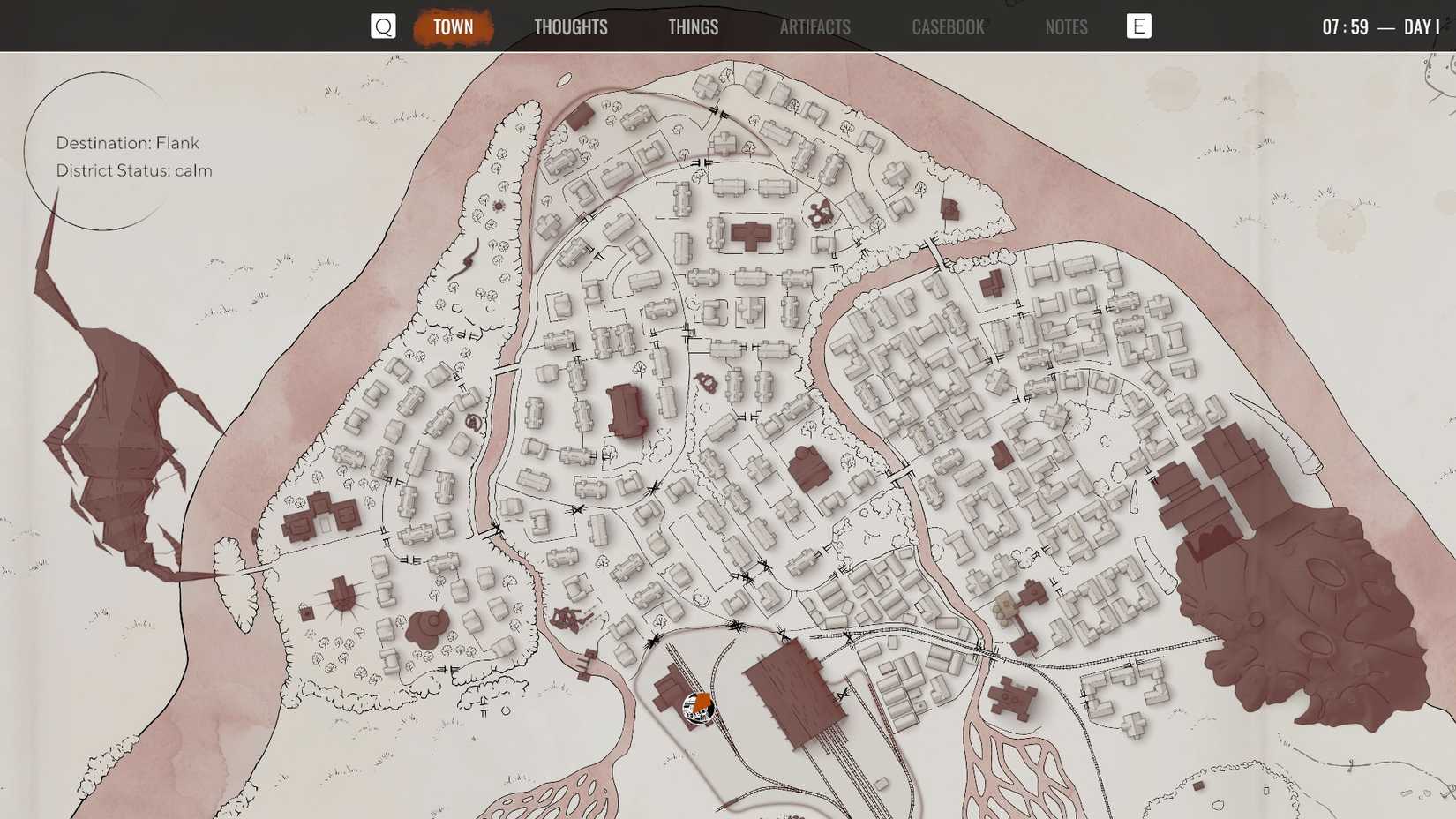
My initial skepticism stemmed largely from the removal of the traditional open-world map. In previous titles, the Town-on-Gorkhon was a seamless, if terrifying, playground of bull-worship and occult customs. Pathologic 3 segments the town into discrete zones, introducing more frequent loading screens. Given that the series’ core loop usually involves desperate treks from Point A to Point B while fending off starvation and infection, I feared this change would diminish the game’s impact. I was also worried about a specific mid-game revelation regarding the town’s geography. Fortunately, the developers manage the transition expertly; the NPCs and environment ensure you remain intimately familiar with the streets, and the eventual geographical “twist” retains its full, jaw-dropping power.
The game’s greatest feat is its dual appeal. In the past, Pathologic’s disorienting opening hours often made it a difficult recommendation for the uninitiated. Pathologic 3 solves this through nuanced dialogue. If you are genuinely confused by the bird-masked figures and mimes scattered throughout town, the game allows you to voice that bewilderment. Conversely, if you are a veteran who understands these surreal theatricalities, the dialogue reflects your knowledge. Mark Immortel, the town’s enigmatic theater director, even acknowledges returning players with a meta-textual wink. Meeting him felt like reuniting with a dangerous old friend, whereas a newcomer would find him delightfully baffling.
“Proceed; this is the core of our performance: the dissolution of the boundary between truth and myth,” Mark remarked during one encounter. “You may depart, but remember: the curtain only falls when I permit it.”

As the Bachelor, Daniil Dankovsky is the quintessential outsider. A sophisticated urban doctor obsessed with conquering death, he arrives in this remote outpost following rumors of a man named Simon Kain who has supposedly achieved immortality. From the moment Daniil steps off the train and has his luggage stolen by a band of local urchins, it’s clear his status means nothing here. The town operates on a logic where children are revered and the laws of the city are irrelevant. This fish-out-of-water dynamic makes Daniil the perfect vessel for players to absorb the game’s thick, unsettling atmosphere.

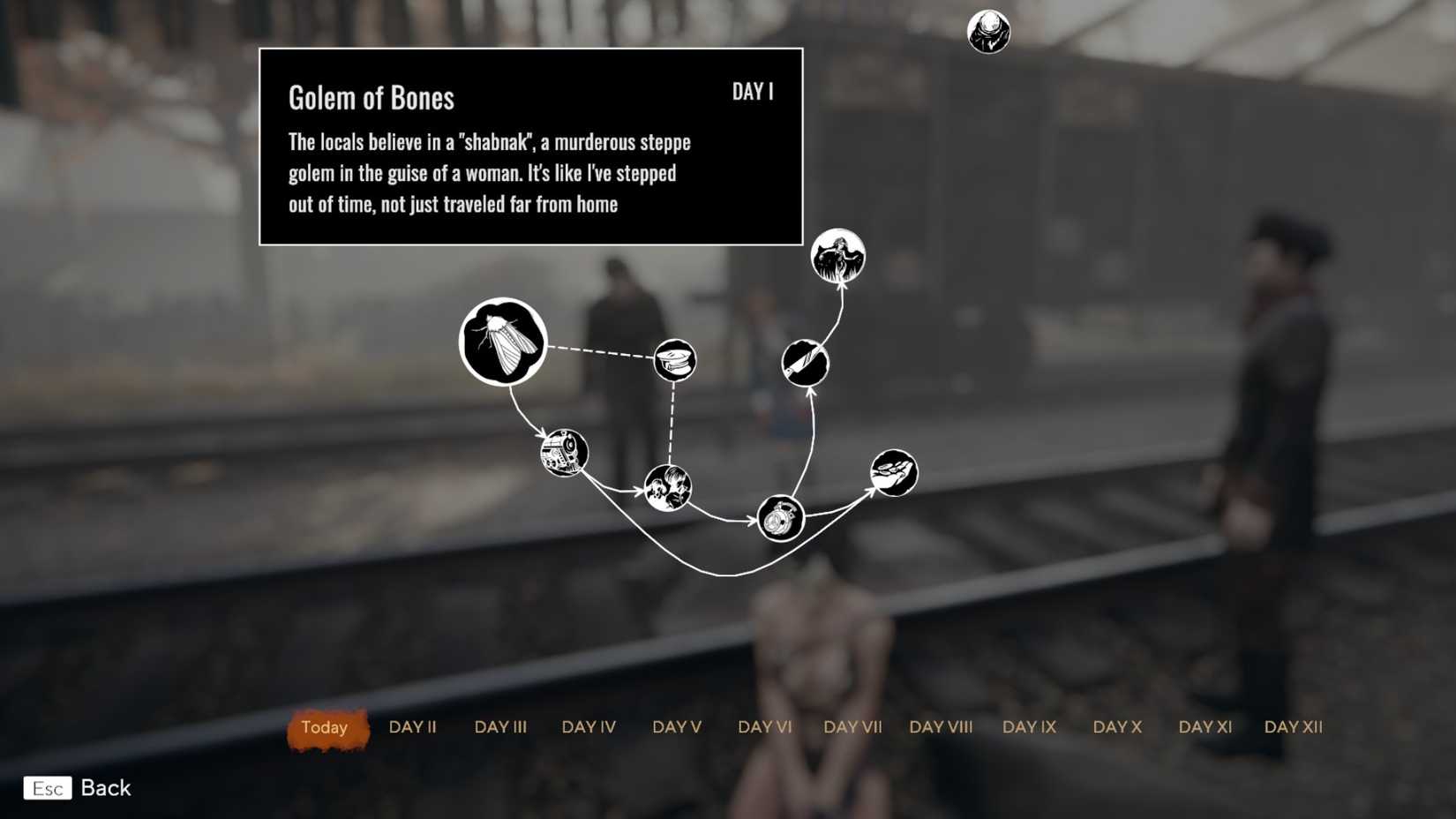
While the overarching narrative still spans twelve days, Pathologic 3 subverts expectations by introducing non-linear time travel. Although jumping between temporal states could be jarring, the “mind map” system does an excellent job of anchoring the player. Mechanically, the game is more polished than its predecessors. Combat is responsive, though the scarcity of resources reinforces that violence is a desperate last resort. A new antiseptic device allows players to actively disperse plague clouds, turning survival into a tactical puzzle rather than a roll of the dice.

A standout feature is the Apathy/Mania gauge. Players must balance Daniil’s mental state; drifting too far into either extreme prevents effective interaction with NPCs. High mania might grant a speed boost but complicates medical treatments. The “detective vision” also ties into this, as certain intrusive thoughts can alter Daniil’s mental health. This is the first RPG I’ve played where managing your character’s internal thought process is as vital as managing their inventory.
The writing, bolstered by a superb English translation, avoids the impenetrable rambling of earlier titles while retaining its philosophical depth. Most strikingly, the game occasionally forces the player to inhabit the perspective of the NPC they are talking to, choosing how they respond to Daniil. These moments are brief but incredibly tense, highlighting the game’s brilliant metanarrative. Pathologic 3 is a triumph of atmospheric storytelling, offering a homecoming for fans and a deep, secret-filled world for everyone else.
Source: Polygon