
Maintaining this balance often requires firm policies, such as preventing high-profile streamers from receiving preferential treatment. It also involves robust defensive systems to combat illicit real-world trading and exploits. According to Wilson, developers must be willing to implement drastic measures, including server rollbacks, if it means preserving the long-term health of the game’s economy.
Protecting Your Online RPG’s Economic Integrity
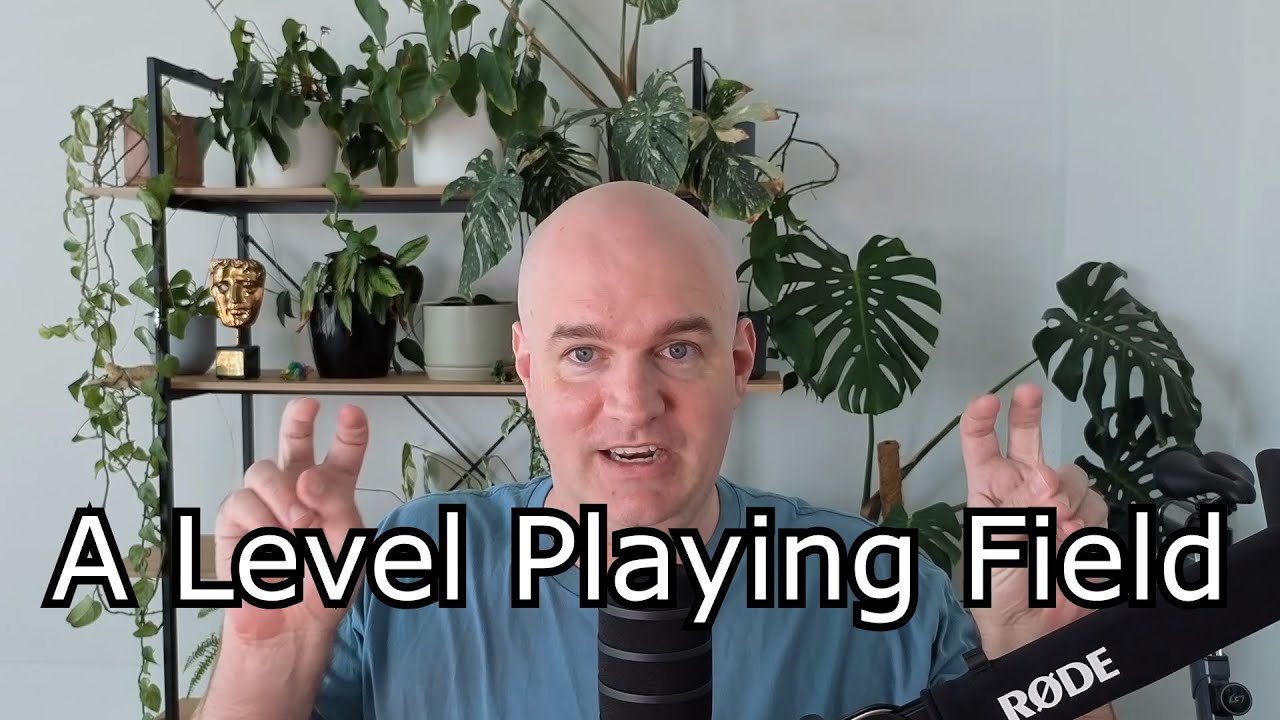
When technical failures necessitate a rollback, Wilson suggests compensating the community with “vestigial rewards,” such as cosmetic credits, rather than giving out power-related items that could further destabilize the economy. He also highlights the importance of empowering support teams to distinguish between legitimate bugs and players attempting to manipulate the system for gain. Combating cheats is an eternal arms race, but Wilson insists developers must remain vigilant.
On the topic of bad actors, Wilson advocates for a “scorched earth” policy. Merely suspending an account is insufficient; developers should purge the entire account or delete any tainted items. He argues that cleansing the database of every illegitimate asset is worth the effort, as the reliability of the economy is the primary metric by which players judge a game’s longevity and health.
Monetization is perhaps the greatest threat to this sanctity. While Wilson notes that pay-to-win mechanics can generate massive short-term revenue, they ultimately erode the player’s trust. He clearly favors building community goodwill and sustainable growth over temporary profit surges. Many have speculated that the timing of this video reflects current discussions surrounding Path of Exile 2, though Wilson remains professional and avoids targeting specific studios or titles.
Wilson’s most poignant lesson involves a specific “mistake” regarding early access and paid partnerships. During a Path of Exile expansion launch approximately four years ago, server queues were so severe that hundreds of thousands were locked out. In a moment of panic, Wilson allowed paid streamers to skip the queue to maintain marketing momentum—a decision he immediately regretted.
“I failed to account for the massive economic advantage a headstart gives these players based solely on real-world status, which is fundamentally unfair,” he admits. “The community was right to criticize us, and the error was instantly apparent.”
This anecdote serves as a warning that even small concessions can snowball into systemic issues. Wilson concludes that giving certain players even a one-hour lead over the rest of the community is an “inexcusable advantage” if it wasn’t earned through in-game actions.
Source: gamesradar.com