Share this article
Thomas Mahler, the creative lead behind Ori and the Blind Forest and CEO of Moon Studios, is taking a leaf out of the Final Fantasy Tactics playbook to overhaul the progression system in the Early Access ARPG, No Rest for the Wicked.
The developer recently shared on social media that the studio has officially greenlit a comprehensive new class system, pivoting away from the traditional attribute-based progression used since launch. Mahler noted that for decades, the genre has typically split into two camps: rigid class archetypes chosen at the start (as seen in Diablo) or flexible stat-allocation systems (common in Dark Souls).
“We believe neither approach is quite right, which is why we’re pioneering something unique,” Mahler explained. “With the upcoming Jobs System, your character’s role evolves dynamically based on your actions. If you favor heavy blade combat, you’ll naturally become a seasoned swordsman. Switch to wands, and your path toward becoming a mage begins. Each job features distinct weapons, traits, and runes that must be mastered to reach their full potential. Once a class is fully leveled, those skills can even be used across other builds. You don’t pick a class from a menu; you earn it through your gameplay.”
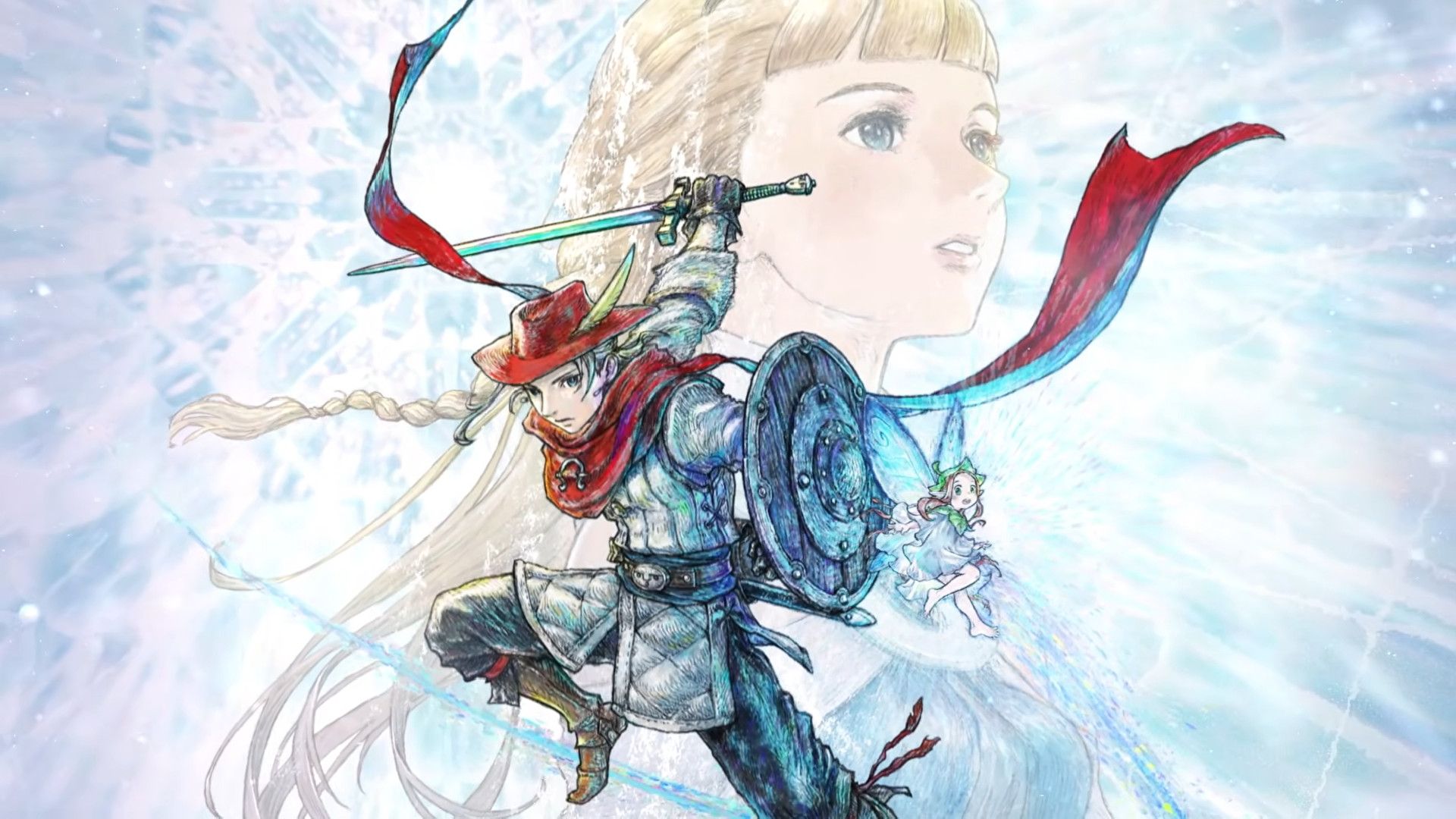
Drawing a direct line to Final Fantasy Tactics, Mahler suggested this shift could redefine how developers approach progression in the future. “I genuinely believe Yasumi Matsuno solved this riddle 30 years ago, and many Western developers simply haven’t given his work enough attention.”
The Moon Studios founder admitted that implementing such a fundamental change nearly two years into development is a “daunting” prospect, but he maintains it is a vital stride toward achieving the game’s ultimate vision.
Currently, No Rest for the Wicked is available at a 40% discount on Steam. This is reportedly a unique offer, as the studio plans to increase the price from $40 to $60 once the game transitions to its 1.0 release.
The director of Baldur’s Gate 3 echoed these sentiments, agreeing that the Early Access model—when handled correctly—is immensely beneficial for the long-term health of ambitious RPG titles.
Stay Updated with Our Newsletter
Get the latest gaming news, deep dives, and community highlights delivered to your inbox.
Source: gamesradar.com