One of the Decade’s Best Horror Franchise-Launchers Is Now Streaming on Hulu

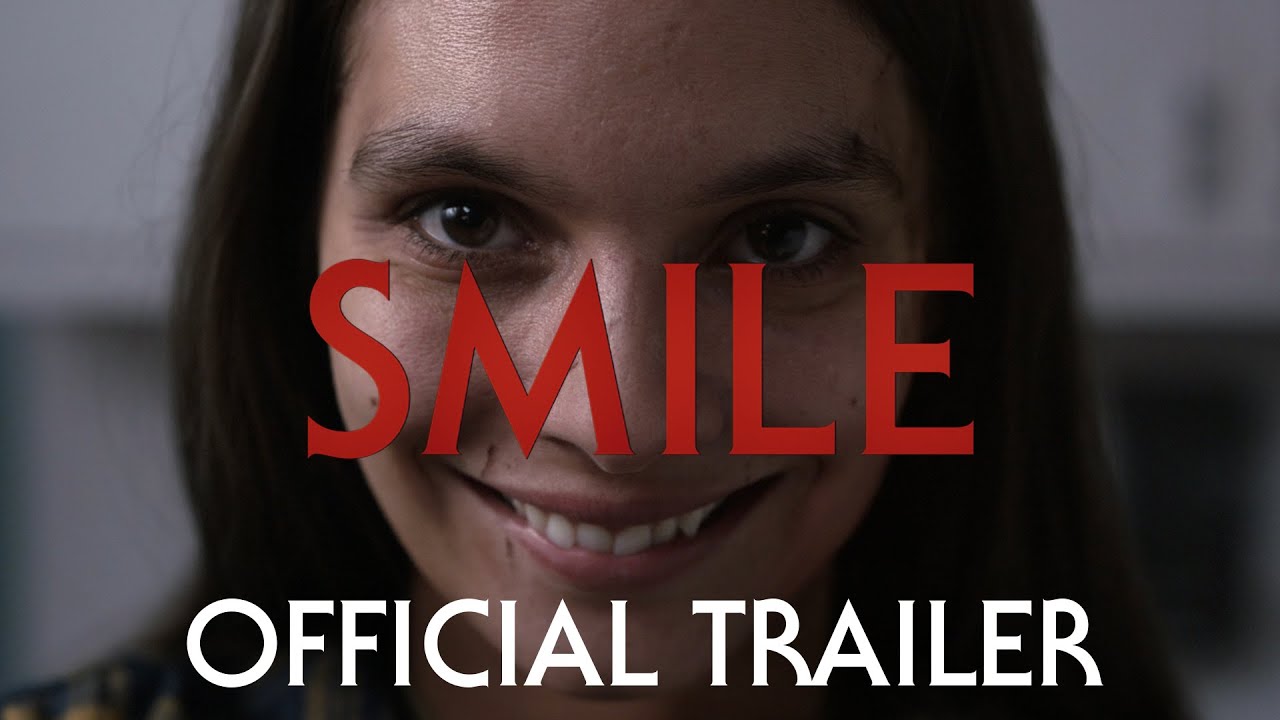
Parker Finn’s Smile arrived as a genuine cinematic phenomenon in 2022. Originally destined for a quiet streaming debut, this expertly crafted original horror defied expectations to become a massive theatrical success. By interweaving the heavy burden of psychological trauma with polished, high-stakes scares, Finn created a visceral experience that balances crowd-pleasing gore with a lingering sense of dread. It serves as a sophisticated homage to classic genre tropes, meticulously recalibrated for a modern audience that can often predict a protagonist’s trajectory from the opening frame.
With Smile now available on Hulu, it is the perfect moment to immerse yourself in what is rapidly evolving into horror’s next powerhouse franchise. The momentum is only building as fans eagerly await official word on the third chapter, which is reportedly nearing production.
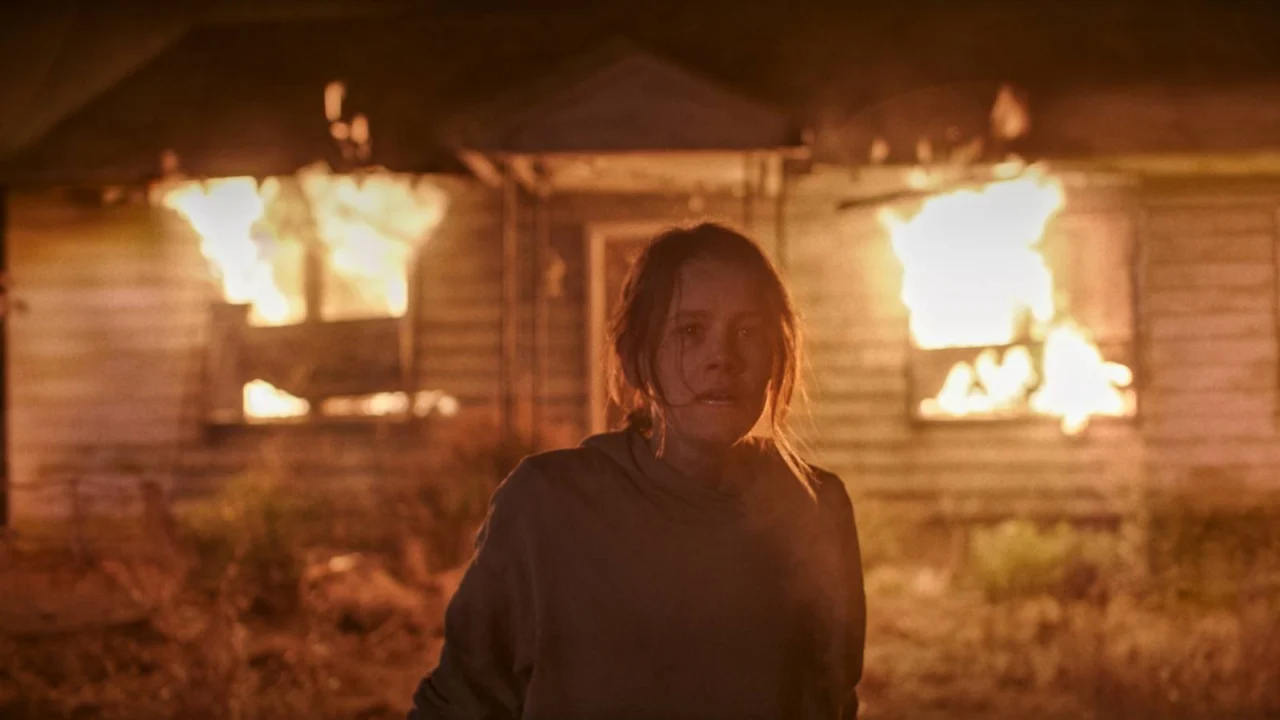
Expanding upon Finn’s 2020 short film Laura Hasn’t Slept, the narrative introduces us to Dr. Rose Cotter (Sosie Bacon), a dedicated psychiatrist in an overworked emergency ward. Her clinical detachment is shattered when a patient, claiming to be pursued by a malevolent, grinning entity, commits a gruesome act of self-harm right before her eyes. As Rose investigates the shadow of this “curse,” her own reality begins to erode. Her pleas for help are met with skepticism from her fiancé Trevor (Jessie T. Usher) and her estranged family, effectively isolating her. The film masterfully blurs the boundary between supernatural haunting and a total mental breakdown, illustrating a nightmare where the struggle to prove one’s sanity only serves as evidence of its loss.
Smile draws inspiration from the atmospheric gaslighting found in Leigh Whannell’s The Invisible Man, the relentless inevitability of The Ring, and the creative carnage of the Final Destination series. It even features a shapeshifting antagonist that mirrors the eerie presence of Pennywise. However, beyond these influences, it stands as a poignant meditation on trauma—examining whether such pain is something we conquer, something we pass on, or something that eventually consumes us entirely.

“I believe there is a profound universality to it,” the director explained during its debut. “We all carry internal weights shaped by our pasts and personal tragedies. I wanted to tap into that specific anxiety—the terrifying prospect of your own mind betraying you. To me, that is the ultimate fear.”
Ultimately, the film’s power lies in the pervasive suspicion that no one is trustworthy when the psyche is under siege. While the transition from short to feature film occasionally results in some narrative stretching, the outcome is a formidable entry in the horror genre that paved the way for an even more intense sequel. As the industry anticipates a third film, fans can explore the lore further with the prequel comic Smile: For the Camera, which delves deeper into the origins of this haunting mythos.
Source: Polygon
Related articles
 Jenna Ortega Wants to Step Away From TV Series After Wednesday and Explains Why
 Two New Trailers Released for Mamoru Oshii’s Armored Trooper Votoms: Die Graue Hexe Ahead of Nov. 20 Premiere
 Lawrence Makoare, Who Played Lurtz in The Lord of the Rings, Says He Is Joining The Hunt for Gollum
 GTA IV Gets Experimental Android Port
 High Plains Drifter, Clint Eastwood’s Western, Now Streaming Free on YouTube
 New Edition of Battlestar Galactica: The Board Game in Development, With Cylons Returning
 Matt Damon’s Contagion Climbs Streaming Charts on HBO Max
 Hulu Confirms Prison Break Revival Is Coming to Streaming