
Netflix’s Latest Korean Sci-Fi Sensation Offers a Fresh Twist on the Disaster Genre

A gripping new Korean production is currently dominating the Netflix global rankings, successfully eclipsing major titles like KPop Demon Hunters. The sci-fi disaster epic, The Great Flood, made its international debut in September but only recently surged into the U.S. market, where it became an instantaneous sensation. Beyond its high-stakes premise, the film is garnering significant attention for a sophisticated, AI-driven narrative pivot that culminates in a hauntingly relevant finale.
Directed by the visionary Kim Byung-woo (best known for Take Point), the story centers on a family’s desperate struggle for survival within the confines of a submerging apartment complex. The global catastrophe is triggered by a massive asteroid impact that causes the Antarctic ice sheets to collapse, submerging the world in an unforgiving deluge. Kim Da-mi stars as Gu An-na, a scientist and mother propelled by a primal drive to shield her young son from the encroaching waters. While it initially presents as a standard disaster flick, the narrative quickly evolves into a profound exploration of maternal sacrifice and human resilience.
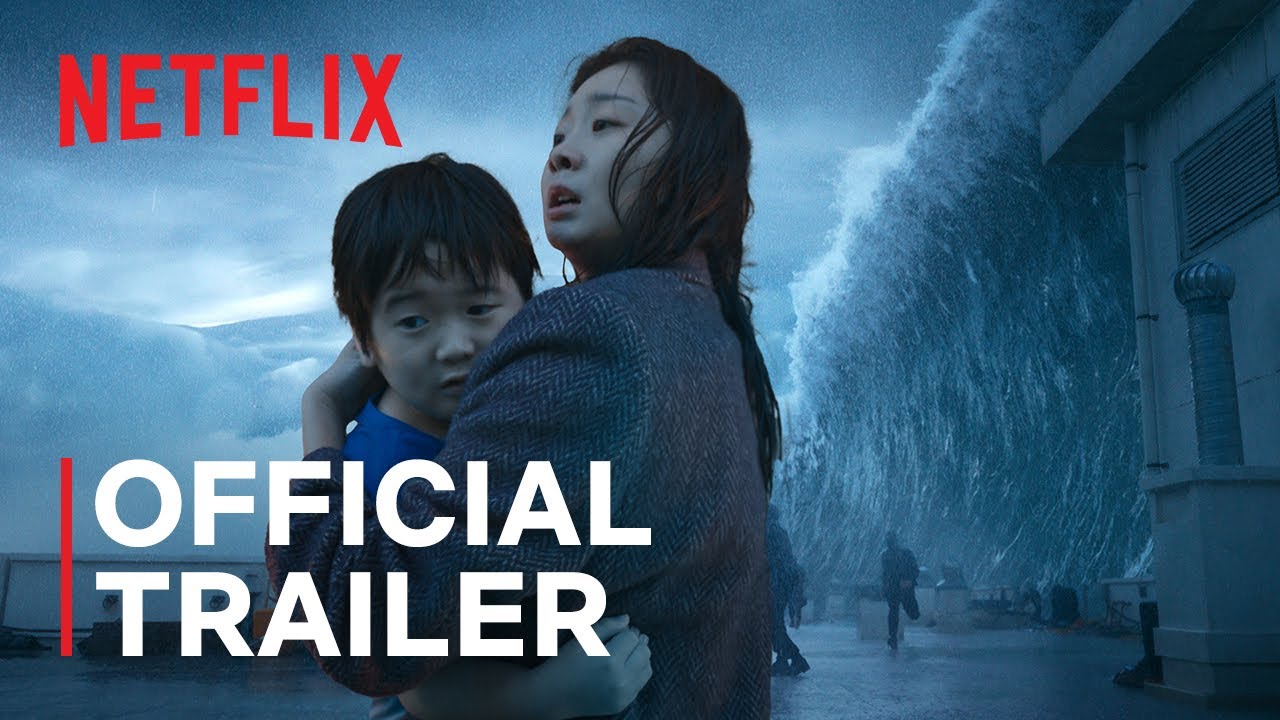
The Great Flood thrives on a claustrophobic sense of dread as the family navigates a vertical ascent toward the building’s roof, providing the perfect canvas for the film’s striking visual effects. However, the director expands his lens beyond the immediate physical peril to embrace a more philosophical take on science-fiction tropes. Without venturing into spoilers, the film’s conclusion echoes the somber, existential twists found in 1970s classics like Soylent Green and Invasion of the Body Snatchers.
The film’s rapid ascent may be partly due to the cultural juggernaut of the “K-brand,” or perhaps it is simply serving as the ultimate appetizer before the final chapter of Stranger Things arrives. Regardless of the reason, The Great Flood has made a significant impact on the streaming landscape. Those looking for a provocative cinematic experience this holiday season will find much to discuss in its heavy, thought-provoking ending.
Viewers should, however, manage their expectations. Despite its popularity, the film has received a polarizing reception from critics and fans alike. It currently maintains a modest 60% on Rotten Tomatoes, while its audience score sits at a more critical 41%.
Source: Polygon
Related articles
 Devil May Cry Creator Reveals His Biggest Fear Beyond the Death of Physical Discs
 Journalists Praise Silent Hill: Townfall Demo
 Developers Say Tomb Raider Catalyst Retains 2013 Trilogy Lara Croft
 Ori Creator Evaluates Media Scores and Notes Discrepancies With Player Opinions
 Saros to Receive Free Expansion with New Modes and Secrets
 Bodycam 0.8 Locked & Loaded adds Trenches map and 400 weapon attachments
 Ghost of Yotei Reportedly Preparing Large DLC with New Story and Most Wanted Mode
 Square Enix Announces Final Fantasy VII Remake Collector’s Edition Including Three Games and Large Figure