
Netflix Stealthily Added the Greatest Alien Invasion Movie of All Time

Roland Emmerich’s seminal 1996 blockbuster, Independence Day, has officially landed on Netflix. For those of us who have revisited this cinematic spectacle dozens of times, the excitement remains undiminished. Even three decades after its debut, no other entry in the genre has quite replicated its sheer magnitude or visceral thrill.
When placed alongside its successors, the distinction becomes clear. While many alien invasion films released since 1996 are technically proficient, none possess the same expansive “bigness.”
Steven Spielberg’s War of the Worlds offers a gripping pursuit through a crumbling world, yet its narrow focus on a single family limits the viewer’s perspective. Cloverfield captures the chaotic horror of urban destruction, but its found-footage style feels intentionally claustrophobic. Signs delivers masterful suspense, yet remains confined to a isolated farmstead. Arrival captures the intellectual weight of a global crisis, but its peaceful visitors trade explosive action for diplomatic nuance. Even the acclaimed A Quiet Place series prioritizes the post-apocalyptic aftermath or isolated survival over the comprehensive global catastrophe portrayed by Emmerich.
In contrast, Independence Day succeeds by diversifying its narrative across five distinct perspectives in varied locales. This multi-pronged approach allows the film to explore the invasion from every conceivable angle, satisfying the audience’s appetite for military heroism, scientific intrigue, and civilian resilience all at once.
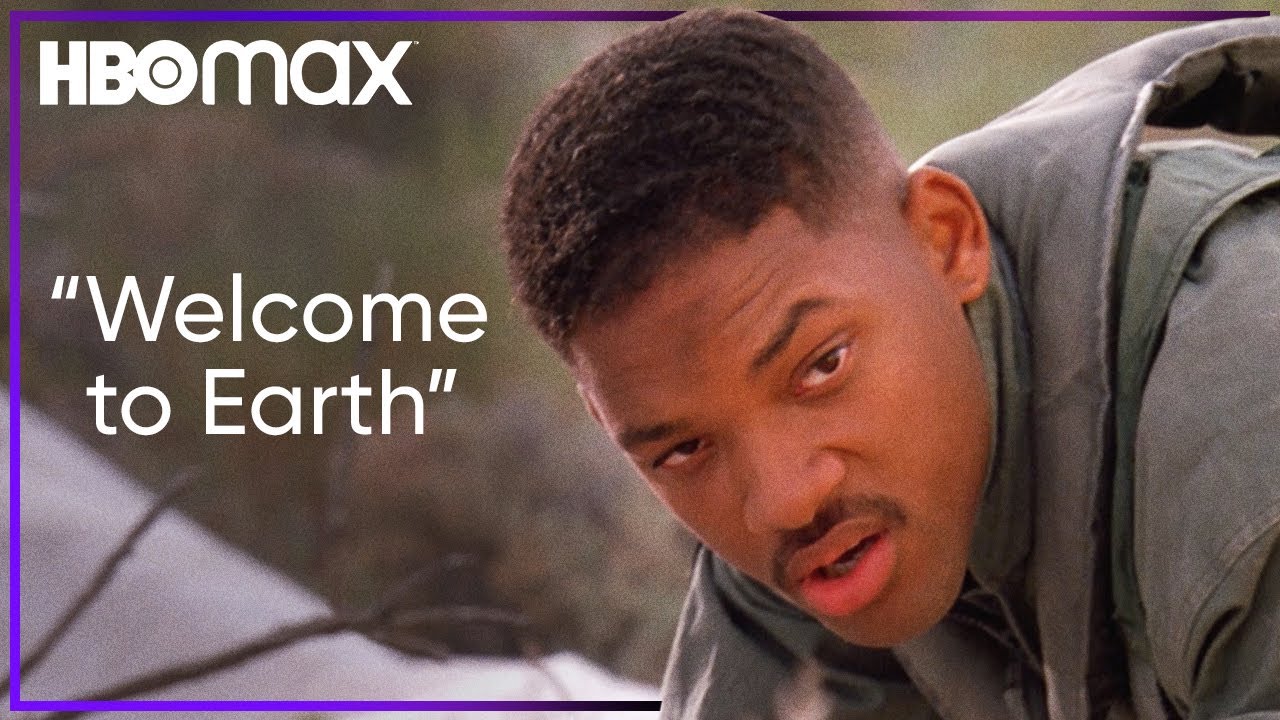
Anchoring the conflict is Will Smith’s Captain Steven Hiller. Through his eyes, we experience the quintessential “us vs. them” struggle. His role as a hotshot pilot provides the film’s most exhilarating moments, specifically the high-octane aerial dogfights between human jets and alien craft.
Jeff Goldblum’s David Levinson injects a layer of intellectual dread. His discovery of the alien signal early on creates a relentless ticking clock, building a sense of foreboding that pays off with the iconic destruction of the White House and the Empire State Building. Few films have ever satisfied a countdown with such cataclysmic payoff.
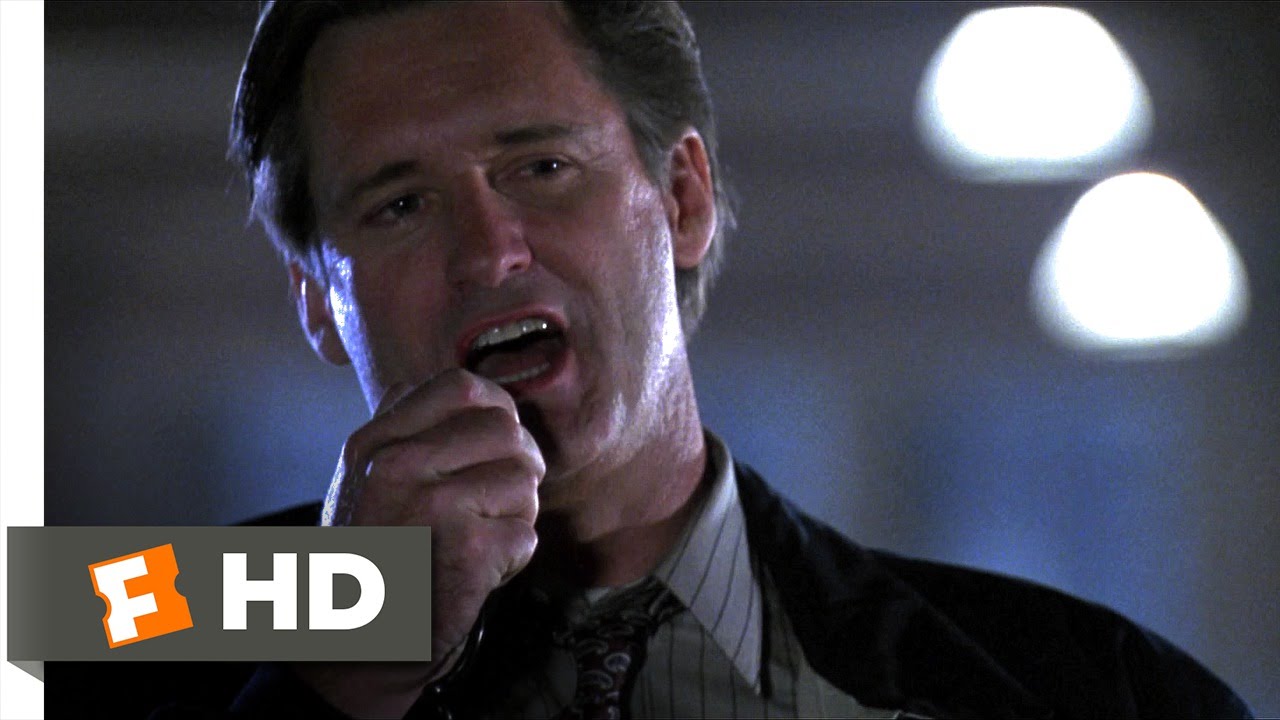
Rounding out the core trio is Bill Pullman as President James Whitmore. By centering the story on a head of state, the film effectively conveys the planetary stakes. Pullman’s performance grounds the global crisis, and his legendary pre-battle speech remains one of the most genuinely inspirational moments in action cinema.
On the ground, Vivica A. Fox’s Jasmine Dubrow portrays the harrowing reality of a mother navigating a burning metropolis. Her journey captures the primal instinct to protect one’s family and the desperate urge to reunite with loved ones amidst total societal collapse.
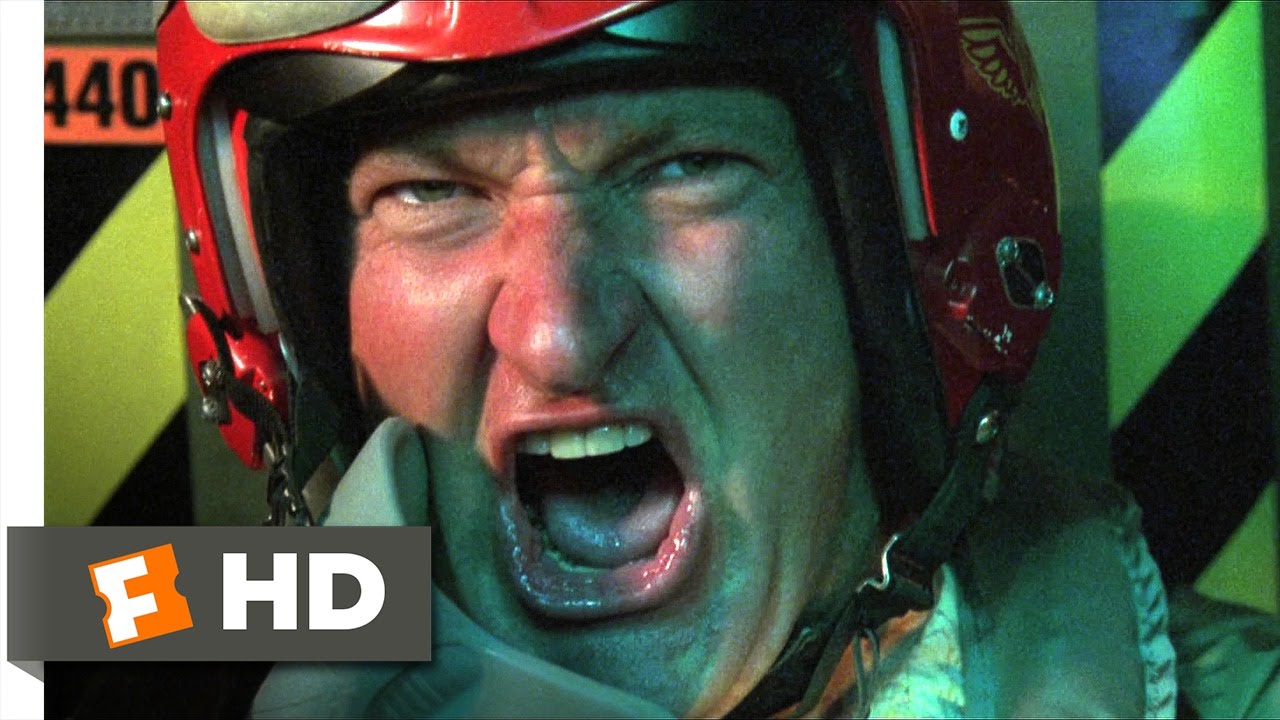
Finally, Randy Quaid’s Russell Casse—the eccentric cropduster—represents the unexpected heroism of the common man. While the character is often remembered for his quirks, he embodies the film’s theme of collective sacrifice. When the call goes out for volunteers, he is the one who answers, proving that in a crisis, the most unlikely individuals often become the most vital heroes.
Admittedly, Independence Day isn’t without its flaws. Emmerich has always prioritized spectacle over nuanced storytelling; the plot is straightforward and the characters are archetypal rather than deeply layered. Certain elements, most notably the “computer virus” plot point, have not aged particularly gracefully in our modern tech era.
One could argue that other films handle specific elements with more depth. Arrival offers better science and geopolitical complexity; Signs generates more genuine terror; Cloverfield provides a more visceral urban disaster experience. However, no other movie integrates these disparate parts into such a cohesive, exhilarating, and satisfying whole.
Thirty years on, Independence Day remains the definitive benchmark for the alien invasion epic—a massive, unapologetic celebration of blockbuster filmmaking.
Independence Day is currently available for streaming on Netflix.
Source: Polygon
Related articles
 Asmongold Assigns Blame for BioWare Closure, and Some Players Agree
 New Resident Evil Film Nears $400 Million at Global Box Office as Director Discusses Sequel Plans
 Austin Wintory Reveals Early Music Sketches He Wrote for Mass Effect 5
 Vincent D’Onofrio Denies Rumors of Kingpin’s Return After “Daredevil: Born Again” Finale
 Sandra Hüller Played a Role in Avengers: Doomsday
 GTA 6’s Rumored Lucia Actor Breaks Silence With Rare Live Appearance
 Warhammer Team Showcases Golden Demon 2026 Miniature Painting Winners at SPIEL Essen
 Delicious in Dungeon Season 2 Character Illustrations Shown