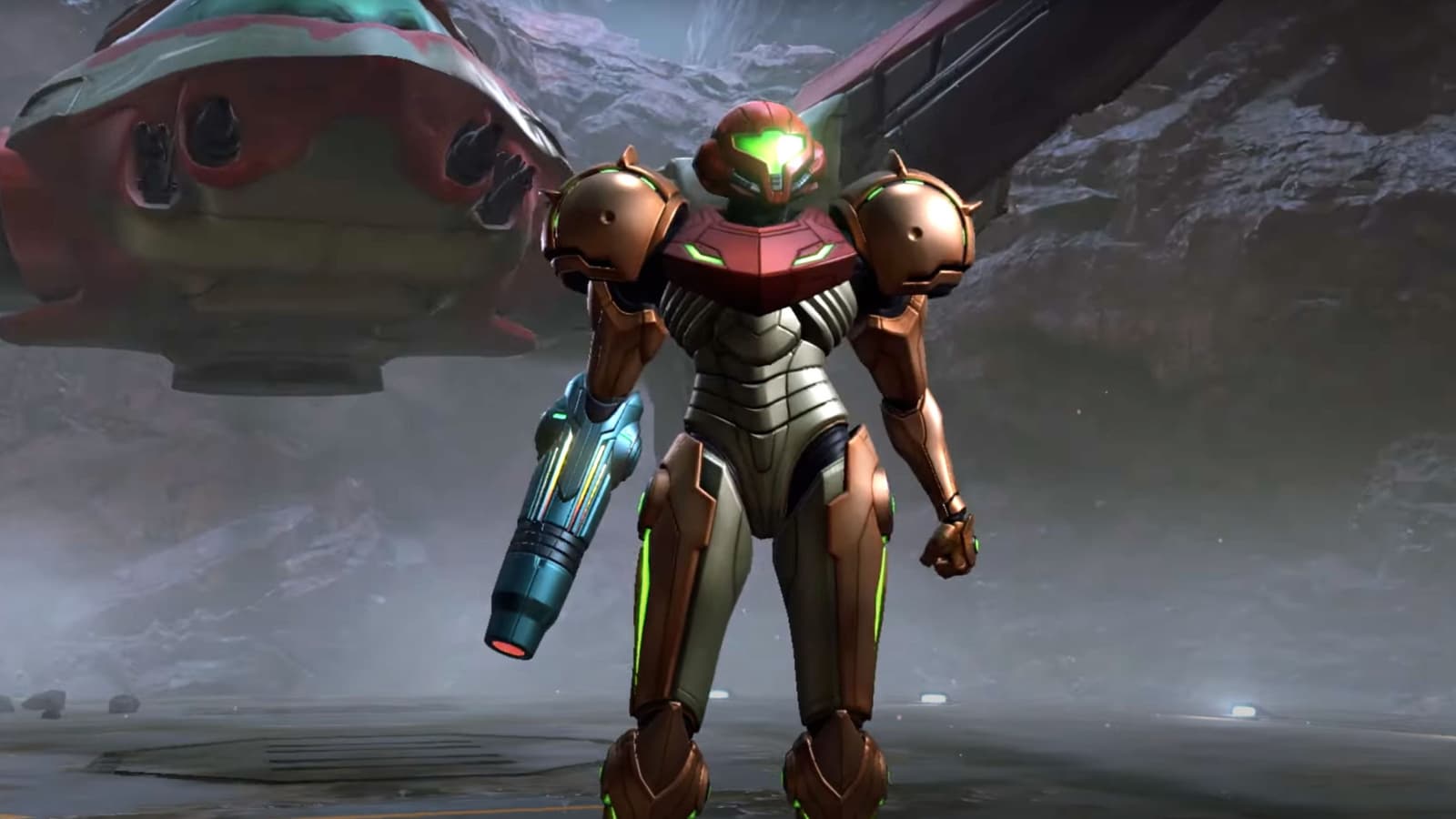
Following an eight-year development cycle, enthusiasts anticipated that Metroid Prime 4 would emerge as a definitive masterpiece. However, the project ultimately failed to satisfy these high expectations, hindered by several underlying factors.
The game’s production was turbulent from the start; it was originally handled by a different team before Retro Studios was tasked with salvaging it. Such transitions often lead to systemic issues, a pattern previously seen in the development of Dead Island 2. Metroid Prime 4 suffered from a fundamental identity crisis: Nintendo, emboldened by the triumph of The Legend of Zelda, pushed for an open-world direction. Conversely, Retro Studios sought to honor the series’ legacy by focusing on meticulously designed linear environments and hidden secrets. This ideological divide sparked significant internal friction within the development team.
In an interview with Famitsu, Nintendo representatives conceded that early development was dominated by the concept of an “open-world Metroid.” However, the core essence of the franchise—the gradual unlocking of new areas through progression—proved difficult to reconcile with a completely open sandbox. As a compromise, the developers designed large, freely explorable zones interconnected with other regions. The introduction of a motorbike was intended to break the monotony and establish a more dynamic gameplay rhythm.
As the project lingered in development, player sentiment regarding open-world mechanics began to shift. Despite these changing tastes, the studio felt compelled to stick to their original vision, as a second full reboot was unfeasible after the transition to Retro Studios. During this time, the first-person shooter genre underwent a massive evolution, characterized by faster pacing and refined mechanics. To maintain their intended atmosphere, the developers chose to ignore these modern trends. Consequently, the final product feels somewhat dated and disconnected from the contemporary gaming landscape.
Source: iXBT.games