
“I Was Just Slowly Killing Myself”: Trapper Schoepp Opens Up About Addiction, Recovery and His Album ‘Exorcism’
Trapper Schoepp Chronicles Addiction, Recovery and Reinvention on Osborne
By Lucian McAfee — September 19, 2025

“Recovery is difficult by design — and that’s part of its purpose. If it were easy, I wouldn’t have had to make the choices I made,” Trapper Schoepp tells Billboard about his new record Osborne, released September 19, 2025 on Blue Élan Records. Though Schoepp is often labeled an Americana or folk musician, Osborne channels rock’s blunt energy: its cover (a flaming electric guitar in his mouth), kinetic lyrics and the mix of grit and sweetness in his vocal delivery all push the album into a fiercer register. Even the tracks that flirt with country or a reggae-tinged cadence hit with the force of a wound finally being ripped open.
“I wanted to write about the opioid crisis from the perspective of someone who lived through it,” he says by Zoom, seated before a painting he created during treatment at Hazelden Betty Ford in 2024. “I’ve seen the devastation up close.”
Opioid addiction is a frequent but still underrepresented subject in contemporary songwriting. Considering how pervasive the crisis has been — for example, many overdose deaths in recent years involved opioids — Schoepp hopes Osborne will widen that conversation. “A lot of people talk about sobriety as loss,” he says. “I’m trying to reframe quitting as gaining: sanity, health, family.”
Produced by Mike Viola and Tyler Chester, Osborne is an 11-song record that maps pain, the exigencies of recovery and a persistent hope. It’s muscular and melodic by turns: a record that sounds like it needed to be recorded loud and live to capture the urgency of its subject.
“I’m trying to think of recovery as liberation,” Schoepp continues. “I still have brutal days, but I know I’m a better person now.”
If you or someone you know is struggling with substance use, the SAMHSA National Helpline at 1-800-662-HELP (4357) is available 24/7.
Where the songs came from
Schoepp says he had already written an intended country album before entering treatment. After leaving Hazelden in May, he unexpectedly committed to recording in June — a choice he calls “a drastic measure in drastic circumstances.” He describes a period of psychosis and mania that left him convinced he’d uncovered some grand conspiracy, a state he likens to an X-Files episode.
“The first night in treatment I filled a journal,” he recalls. He’d joked with a friend about Ozzy Osbourne on the train to Hazelden, and then discovered he’d been assigned to the facility’s Osborne unit — a near-homophone that became a strange creative spur. “I used Ozzy as a weird spiritual guide. That heavy-metal energy became the lens I wrote through.”
Writing in the clinic felt like part of the therapy. Schoepp describes composing stream-of-consciousness pieces while wandering the grounds: “I wrote ‘The Osbournes’ the first night I was there.” When he shared that early material with producer Mike Viola, Viola’s surprised praise helped set the record’s direction. Sessions later in a Glendale church basement — and an intentional use of vintage drum machines, synth colors and tape-recorded live takes — gave the album a raw, analog intensity Schoepp wanted.
On prescriptions and pain
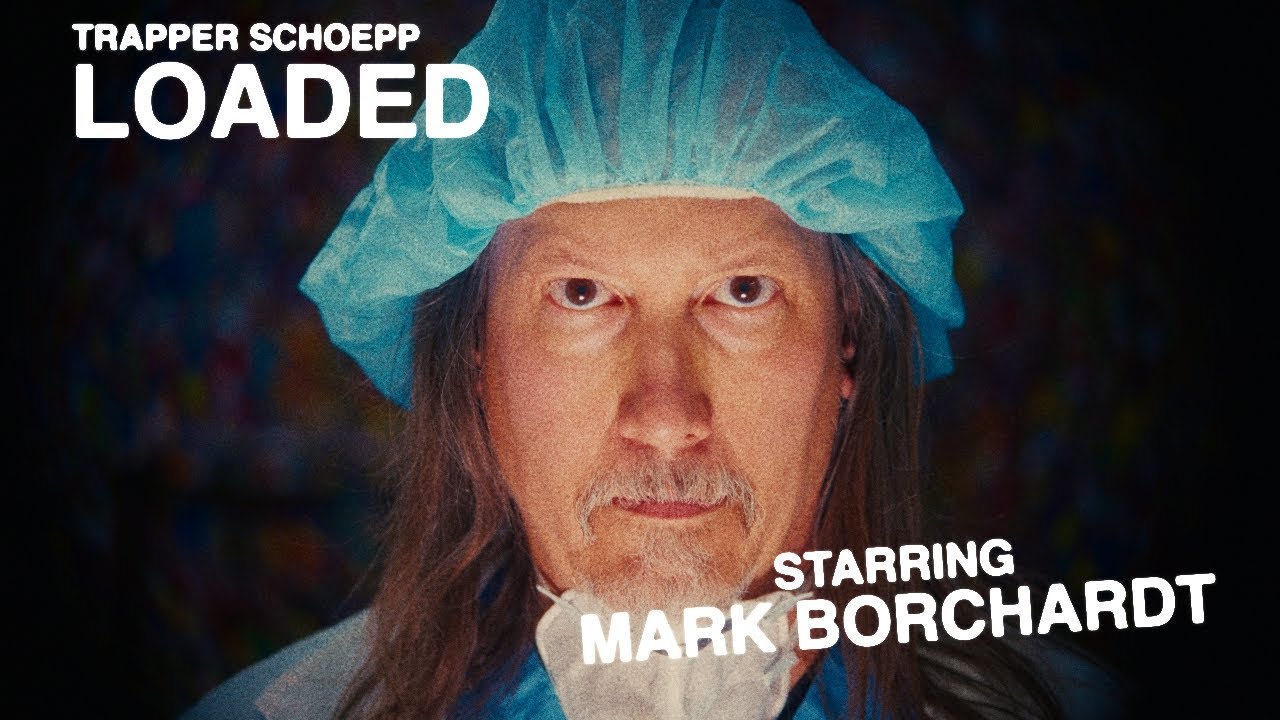
Asked about the album opener “Loaded,” Schoepp confirms the lyric about a “loaded gun” refers to opioid prescriptions. He recounts spinal decompression surgery at age 20 and the era’s aggressive prescribing practices: “They taught a model of chronic pain that meant you’d stay on medication indefinitely. Those pills were like loaded guns in the house.” He says reliance on those drugs robbed him of growth during his twenties.
That period coincided with a peak in his career: in 2019 he earned a publishing credit with Bob Dylan and found himself touring and receiving press, while privately spiraling on Vicodin and Tramadol. “It was supposed to be a great year, and it felt like the worst,” he says.
Ozzy, exorcisms and the album’s tone
Schoepp finds it fitting — if uncanny — that Osborne’s release followed Ozzy Osbourne’s death by a few months. “Ozzy was a voice for damaged, vulnerable people,” he says. Using Ozzy as a muse during recovery, he admits, felt at once irreverent and cleansing. After leaving treatment, a friend sent him an original Black Sabbath pressing without knowing which unit he’d been in — a coincidence that reinforced the album’s dark, exorcistic imagery.
Viola’s contributions were key: Schoepp praises his producer’s ability to inject a Southern California punk edge, guitars and synth textures inspired by collaborators he admired. Much of the record was captured live to tape to preserve the urgency of the performances.
“Suicide Summer” and confronting suicidal thoughts
“Suicide Summer,” the closing track, sprang from Schoepp’s darkest weeks after coming off opioids, when suicidal ideation was relentless. “I promised myself I’d tell everything,” he says. The song attempts to name that pain openly and to reduce the stigma around suicidal thoughts and addiction. “Shame and isolation keep people from asking for help — I don’t have all the answers, but I’ll share what I lived.”
Musically, he initially recorded the song as a melancholy piece but later chose an arrangement with more uplift, inspired in part by the way artists like Toots and the Maytals balance heavy subject matter with joyous rhythms. The final vocal was laid down with Schoepp relaxed on a couch, a microphone suspended above him, surrounded by Mike, Tyler Chester and Lowell Dylan.
Calling out the Sacklers
The album includes a provocatively titled track, “Satan is Real (Satan is a Sackler),” a riff on the Louvin Brothers’ classic. Schoepp says he named the family directly because of the role he believes they played in the opioid crisis. He references the high-profile litigation over the pharmaceutical companies — including a widely publicized settlement that was later rejected by the Supreme Court in 2024 — and says money can’t fully account for the harm he attributes to their conduct. “They profited off pain,” he says plainly.

Living with the record
Schoepp acknowledges that releasing such a candid album prolongs the work of recovery: telling your story repeatedly, facing responses and living in public. “Healing isn’t flipping a switch. Releasing the record was part of my atonement. It would have been harder not to do it.”
He’s been surprised by the response from listeners in long-term recovery: emails from people with decades sober who said the record resonated deeply. “Recovery isn’t just quitting a substance — it’s the small, daily labor: doing chores, being present. You reprogram yourself by action. I’m no specialist, but I’ve seen that being honest matters.”
Related articles
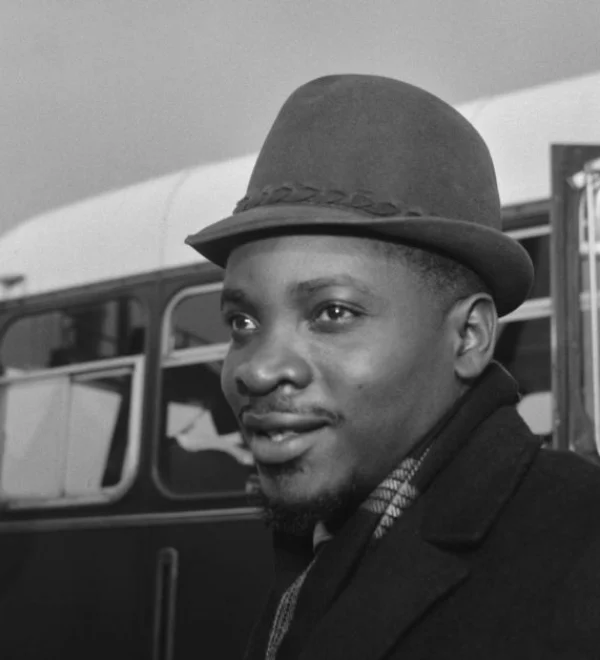 Trinidadian Calypso Legend Mighty Sparrow Dies at 91
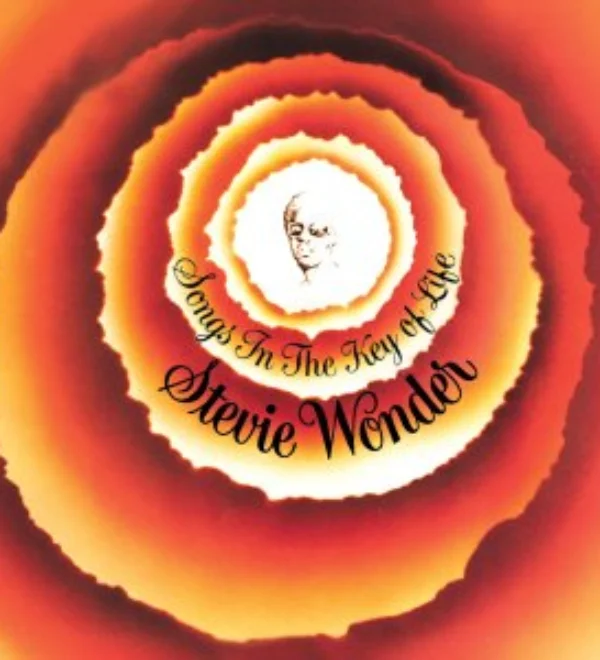 Musicians Reflect on Impact of Stevie Wonder Album Songs In the Key of Life Ahead of Its 50th Anniversary
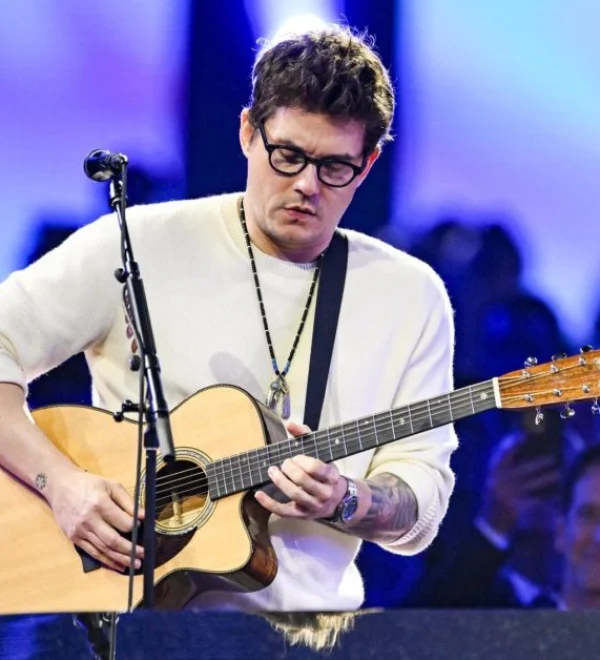 John Mayer to Headline Six-Night Residency at the Las Vegas Sphere Titled Meet Me Where the Light Is
 How Olivia Rodrigo Pulled Off Her Dissolving Unraveled Tour Dress, According to the Designer
 Lana Del Rey Celebrates Second Wedding Anniversary With Jeremy Dufrene
 Producer Todd Rundgren Criticizes Taylor Swift as the Apotheosis of Mediocrity
 Rihanna shares new photos and videos of daughter Rocki after first birthday
 Ed Sheeran Featured on ‘SNL UK’ With ‘Chicken Shop Date’ Host Amelia Dimoldenberg