
Hulu’s Gory New Sci-Fi Thriller Is a Shallow Version of The Substance
One might charitably assume that The Beauty co-creators Ryan Murphy and Matthew Hodgson walked away from Coralie Fargeat’s The Substance with a singular mission. Perhaps they saw the film’s grotesque exploration of cosmetic obsession and thought, “This visceral critique of vanity is a masterpiece—now, how can we stretch this body-horror nightmare into a serialized television epic?”
A more cynical viewer, however, might suggest they simply took note of the sheer amount of screen time Margaret Qualley and Demi Moore spent in the buff and decided to double down. If The Substance was a warning, Murphy’s adaptation is a celebration of excess.
FX’s The Beauty functions as a hallucinatory, unapologetically addictive journey that oscillates between peddling a dream of physical perfection and delivering a bloody sermon on the hazards of superficiality. While the series technically pulls from the Image Comics series by Jason A. Hurley and Jeremy Haun, it treats the source material as a mere suggestion. The aesthetic is far more aligned with the neon-soaked, high-impact horror of recent cinema—complete with towering title cards and a visual language that blends alluring glamour with stomach-churning repulsion.
In the original comic, the plot revolves around an STD that grants hosts “perfect” features overnight, leading to a societal divide and eventual spontaneous combustion. Murphy and Hodgson take these bones and layer them with lurid, maximalist meat. In their rendition, the transformation is a guarded, terrifying secret. The show lingers on the “hatching” process—protracted, gooey sequences where characters contort and shed their old selves in a display of nauseatingly beautiful practical effects. When death inevitably arrives, it isn’t just a fire; it’s a high-definition explosion of gore.
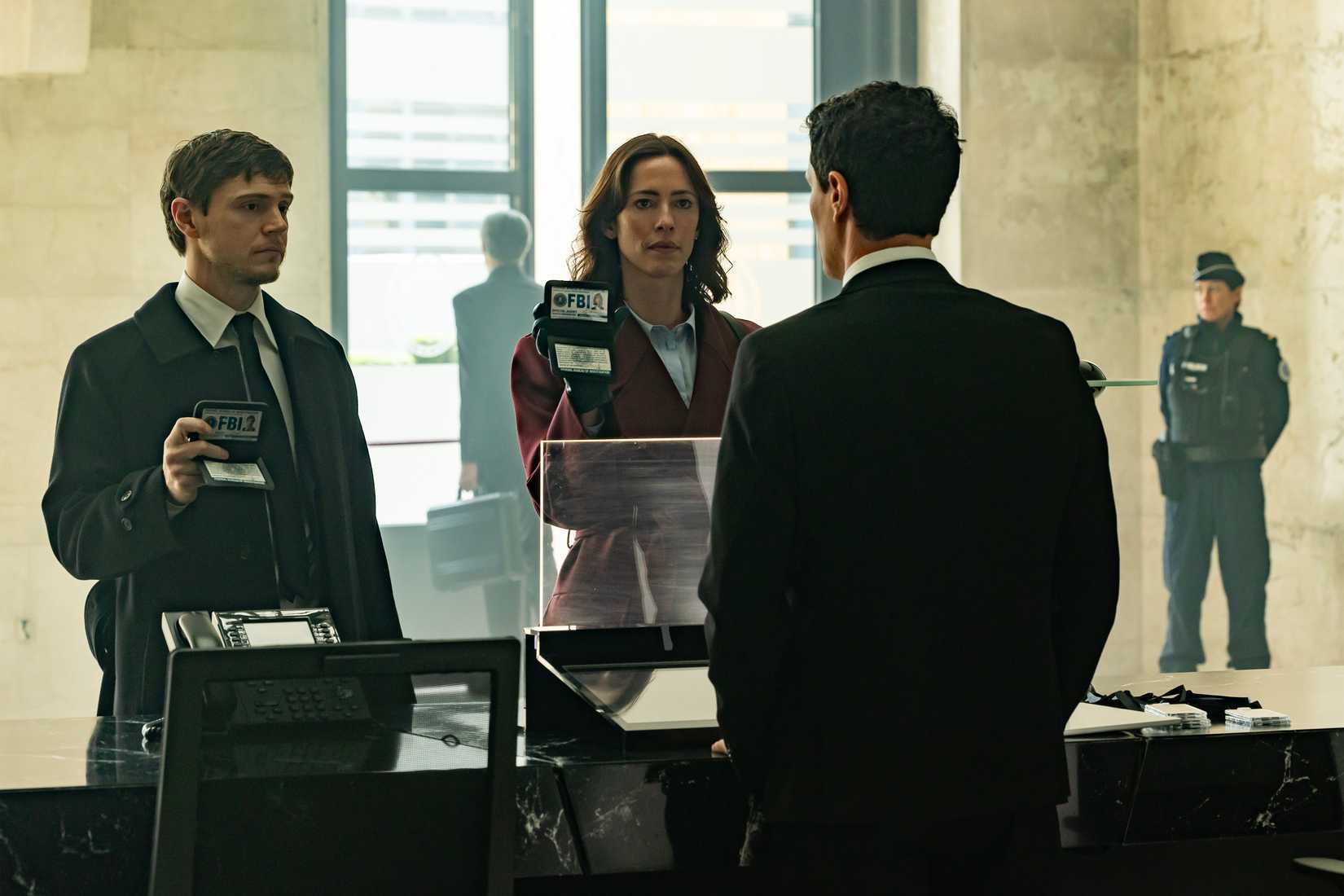
Amidst the slime, a more grounded narrative attempts to take root. FBI agents Cooper Madsen (Evan Peters) and Jordan Bennett (Rebecca Hall) find themselves embroiled in a global conspiracy involving “Beautiful” individuals turning into biological bombs. Their dynamic serves as a clever inversion of the classic X-Files trope; rather than a decade-long slow burn, Cooper and Jordan begin as established lovers, struggling more with emotional intimacy than physical attraction. Peters, a staple of the Murphy-verse, and Hall provide a much-needed emotional anchor in a series otherwise defined by its lack of restraint.
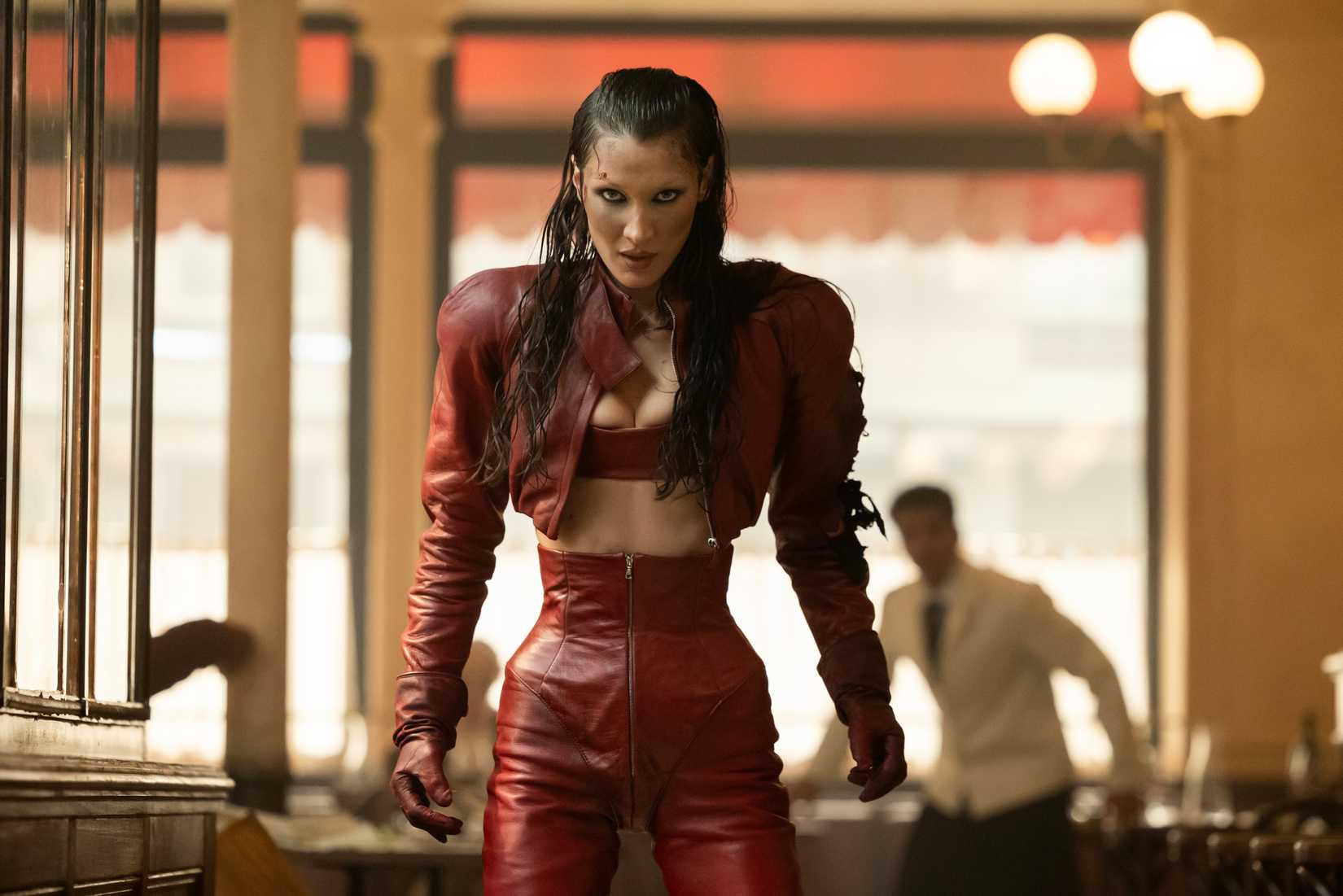
The series takes its time weaving together disparate threads: Jeremy (Jeremy Pope), a reclusive man fueled by resentment; and “The Assassin” (Anthony Ramos), a hitman who treats torture like a performance art. Yet, the show never misses an opportunity to lean into its trashiest impulses. Within the first five minutes, a lethal supermodel turns a Parisian catwalk into a slaughterhouse, leading to a high-octane chase that mirrors the sensory overload of a rave. It is a sequence that signals the show’s intent: to provide a “greatest hits” of exploitation cinema.
Fans of Murphy’s previous work—American Horror Story or Scream Queens—will recognize the brand of theatricality on display. Performances are dialed to eleven, notably Ashton Kutcher as Byron Forst, a predatory billionaire who practically twirls a digital mustache. While the leads play it straight, the supporting cast is steeped in sensation. The screen is constantly crowded with acrobatic intimacy, flayed skin, and enough nudity to rival any prestige cable drama.
The Beauty is self-aware in its absurdity. It is a show where a villain dances through his penthouse to Tame Impala’s “Dracula” while narrating his own moral bankruptcy. As an entry in the “eat the rich” genre, it’s about as subtle as a sledgehammer, but there is an undeniable craftsmanship to the mayhem.
Despite the lack of intellectual nuance, the series remains magnetic. Much of the pull comes from the strange, unexpected choices Murphy makes—like casting Isabella Rossellini in a role that feels like a meta-commentary on aging icons. Anthony Ramos also shines, delivering a monologue about Christopher Cross that evokes Patrick Bateman’s musical fixations in American Psycho. It is in these moments that the show’s point about the weaponization of aesthetics hits hardest.
Ultimately, The Beauty succeeds because of its shamelessness. It isn’t trying to be deep; it’s trying to be more—more skin, more splatter, more satire. It is a cynical, iron-clad sugar rush that winks at the audience even as it douses them in viscous fluid. The Substance may be the smarter sibling, but The Beauty is the one having the most decadent, chaotic time.
The first three episodes of The Beauty are now available on FX and Hulu. Subsequent episodes of the 11-part season will air weekly on Wednesdays through March 4.
Source: Polygon
Related articles
 Boxed Games Become a Problem for Collectors as Issues Reach PS5
 Gears of War: E-Day Reportedly Planned as Start of a New Trilogy, Rumors Say
 Shenmue III Enhanced Edition Delayed to Improve Graphics and Add New Features
 Ridley Scott Finds Screenwriter for New Film That May Continue the Prometheus and Alien: Covenant Story
 Zendaya to Be Promoted for Best Lead Actress Oscar for Third Dune Film
 Crimson Desert Charting the Unknown Expansion Will Add Sea Monsters and Ship Boarding, Details Revealed
 Ticket Presales Suggest Dune: Part Three Will Lose Heavily to Avengers: Doomsday at the Box Office
 DC Horror Film Clayface Earns Unusually High CinemaScore