
Horde and Alliance Reach Unprecedented Unity in WoW: Midnight
For more than twenty years, the geopolitical landscape of Azeroth has shifted dramatically. What began as an era of segregated leveling paths and bitter enmity between the Horde and Alliance has gradually transitioned into a more collaborative age. While the 2018 expansion Battle for Azeroth attempted to reignite the embers of old hatreds, subsequent chapters have seen those wounds heal in the face of global annihilation. In World of Warcraft: Midnight, the two factions have reached a level of integration that was once unthinkable.
The concept of shared space first arrived in 2007 with The Burning Crusade, which introduced “Sanctuaries”—neutral hubs like Shattrath City where combat was forbidden. These havens were typically governed by impartial third parties, such as the Kirin Tor in Dalaran. However, Midnight subverts this long-standing tradition by transforming Silvermoon City, a primary Horde capital, into a base for both factions. This marks a historic milestone: the first time Alliance players have been officially invited into the inner sanctum of a Horde stronghold.
This design choice is as narratively significant as it is practical. Midnight follows the Harbinger of the Void, Xal’atath, as she marches her forces toward the Sunwell—a sacred fount of power central to elven identity. Both Silvermoon and its Alliance mirror, the Exodar, have remained largely dormant since players moved on to the frozen wastes of Northrend in 2008. By choosing to refurbish these classic zones rather than inventing entirely new landmasses—a strategy that proved highly successful in 2010’s Cataclysm—Blizzard is providing a much-needed overhaul to some of the game’s most iconic locations.
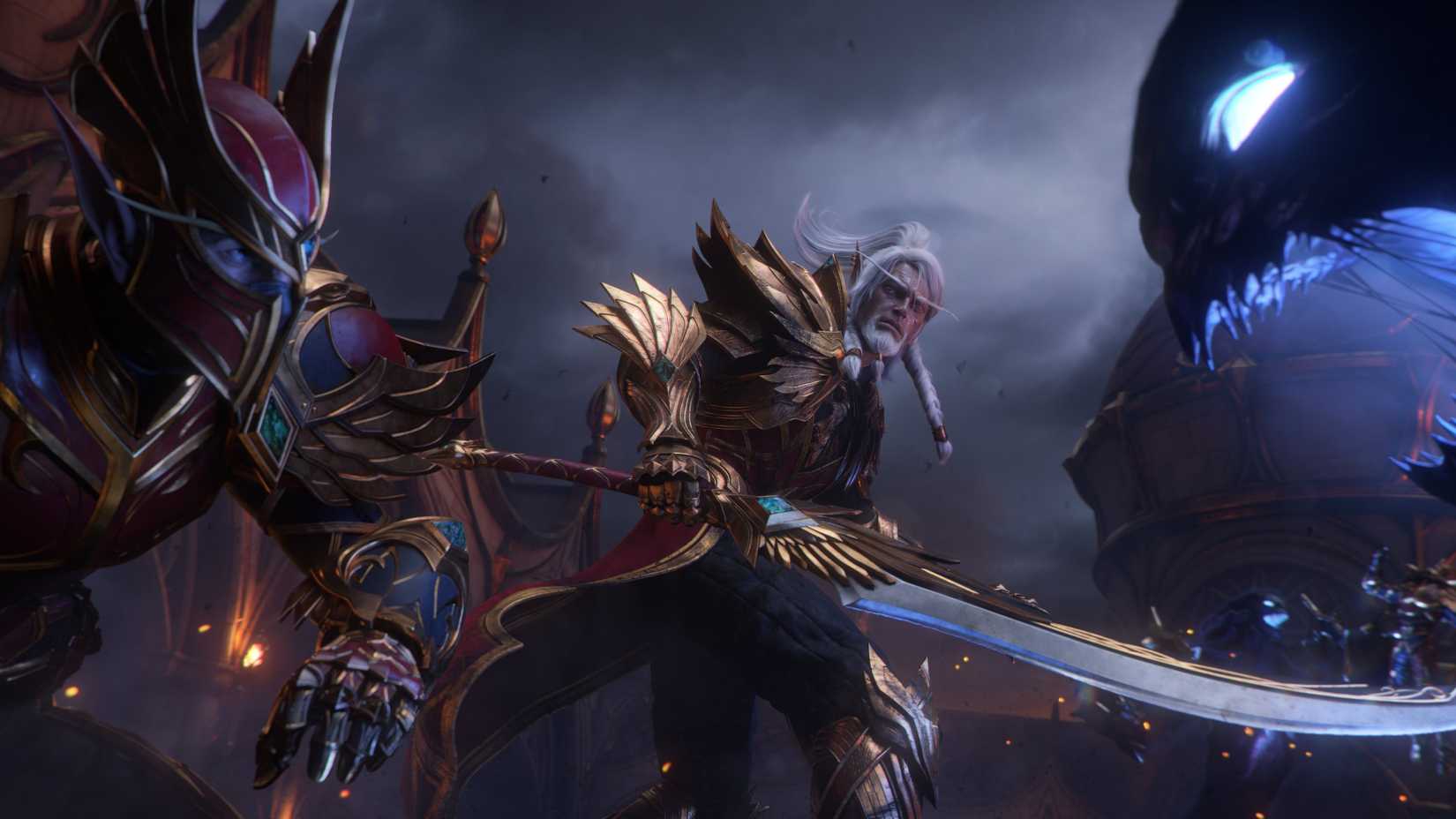
While the main narrative suggests that the Blood Elves are begrudgingly hosting their former enemies, the game’s side quests tell a much more intimate story of reconciliation. In the streets of Silvermoon, players can witness heartwarming moments of cross-faction camaraderie. One specific storyline follows a dwarf and an elf who reunite to settle an old bar tab and resume their drinking games, their playful banter evoking the legendary friendship between Legolas and Gimli. These interactions humanize the “enemy” in ways the main plot often overlooks.
Even more poignant is a questline involving the arrogant elven tailor, Solwin Brightstitch. Initially annoyed by the influx of “unrefined” customers, Solwin eventually takes on a commission from a draenei named Gaari. The task involves repairing a blood elf cloak, leading to a flirtatious and eventually tragic revelation: the cloak was a parting gift from a blood elf friend Gaari was forced to face on the battlefield. It is a somber reflection on the shared history of these factions—a reminder of the lives lost and the bonds that somehow endured the chaos of war.
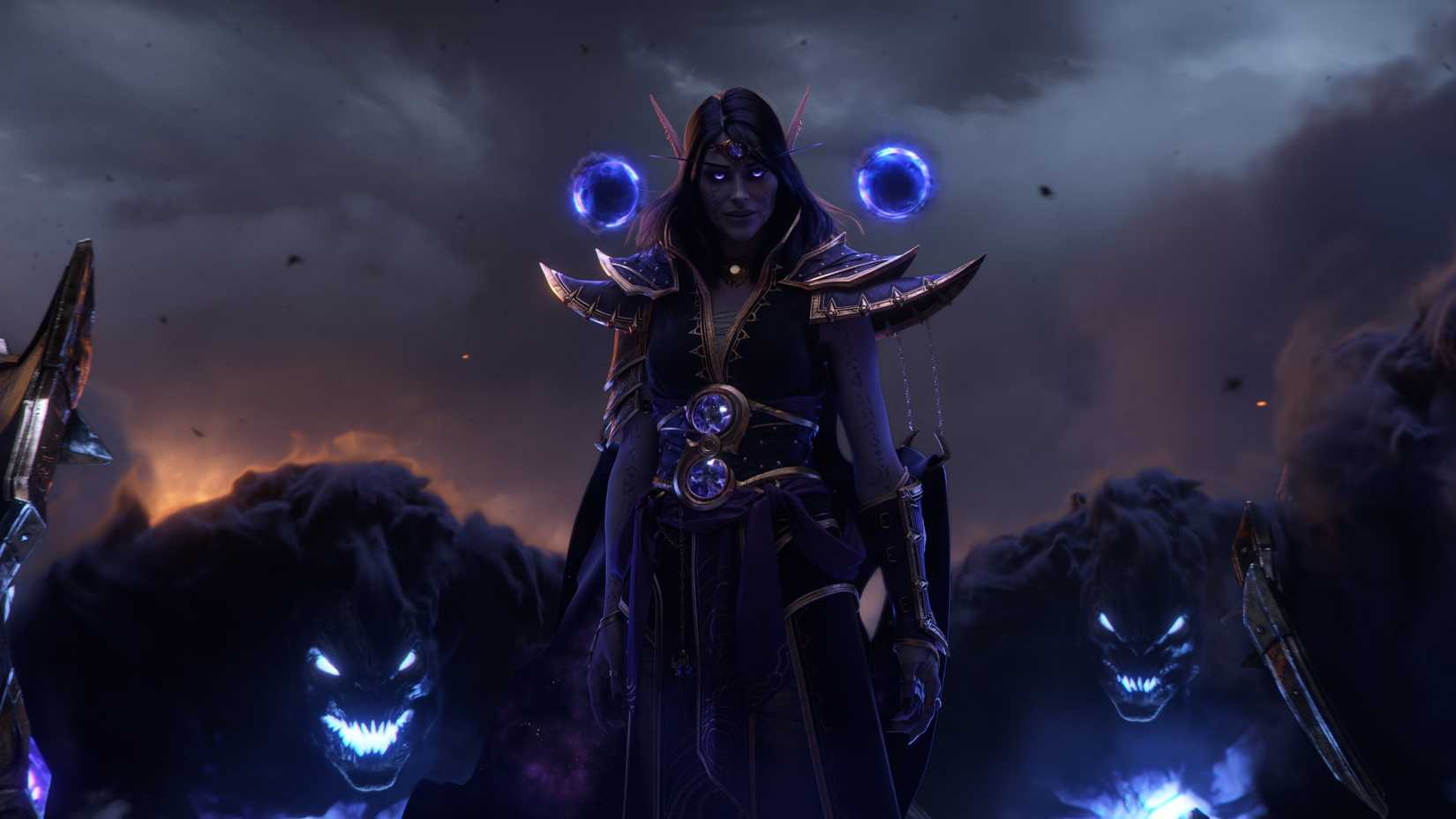
As the second act of The Worldsoul Saga trilogy, Midnight continues the work of dismantling faction barriers started in The War Within. That previous expansion introduced the ability for mixed-faction groups to tackle dungeons together, and Blizzard has confirmed that cross-faction queuing is currently in development. The sheer scale of the threat posed by Xal’atath seems to have finally necessitated a permanent alliance among the heroes of Azeroth.
These systemic changes appear to be a permanent fixture of the game’s future. The warming relations seen in the spires of Silvermoon suggest that the historic divide between the Horde and Alliance is finally dissolving. By the time the trilogy concludes with The Last Titan, the two factions may no longer be separate entities, but a unified front standing against whatever cosmic horrors await them next.
Source: Polygon
Related articles
 Sony Reveals PlayStation Plus Free Games Lineup for October
 Disco Elysium Co-Creator Reveals Red Rooster, a Physics-Focused RPG
 Cozy SnowRunner Alternative Over the Hill Released on Steam
 First Look at Xbox Nano Controller, Microsoft’s Smallest Gamepad
 Steam Releases Co-Op PvE Extraction Shooter Set in Anomalous Zones
 GTA Co-Creator Explains Why Rockstar Canceled Spy Action Game Agent
 Blizzard Restricts Real-Money Traders From WoW: Forever Economy
 Retro Shooter Warhammer 40,000: Boltgun 2 Released on Steam and Consoles