Halo: Campaign Evolved is a ground-up modern remake of the Xbox classic, offering the visual polish and control refinements players expect. Compared with the 2001 original and the 2011 remaster, it appears sharper, handles more fluidly, and introduces several gameplay adjustments intended to bring the experience up to contemporary standards — changes that will likely delight some fans and irk others. Chief among them: Master Chief can sprint.
After the 2011 HD remaster, Campaign Evolved represents the next major re-release of Bungie’s 2001 shooter (counting the 2003 Windows port and the title’s inclusion in the 2014 Master Chief Collection). This edition is distinct: Halo Studios rebuilt the game in Unreal Engine 5 rather than using a proprietary engine, and the project is a full remake rather than a pure graphical update.
That combination puts Halo: Campaign Evolved at a crossroads. With a planned 2026 release on PlayStation 5, Windows PC, and Xbox Series X, the original game will be 25 years old — so this remake needs to do two things at once: rekindle the memories of long-time fans and feel accessible and modern for players encountering Halo for the first time on PlayStation hardware.
Earlier this week, Polygon played a hands-on demo at Halo Studios covering the first half of “The Silent Cartographer,” ending at the familiar beat when Master Chief dislodges a rock — a moment that lands differently depending on how deeply you know the original campaign.
Nostalgia often rewrites memory, but this remake largely matches how many of us recall the game: the boxy gray constructs and muddy shorelines of “Silent Cartographer” have been replaced by sleek metal architecture and sand rendered with striking granularity. Those fidelity improvements haven’t erased the sci-fi brutalist sensibility that has defined Halo’s visual identity; if the original was an eye chart, this feels like that chart viewed with the corrective lenses you were meant to wear.
The signature pistol remains — a potent, borderline unbalanced sidearm — and enemy grunts still let out familiar cries when hit with a plasma grenade. That sense of preserved identity is strengthened by newly recorded lines from series veterans like Steve Downes (Master Chief) and Jen Taylor (Cortana), which help the remake feel authentically Halo while sounding fresher.
 Image: Halo Studios/Xbox Game Studios
Underneath the glossy presentation are a number of mechanical changes that longtime players will notice quickly. That “rock” in the demo is actually a plasma pistol. Energy swords appear in the build, though they weren’t usable in the demo segment. The controls default to aiming down sights on the left trigger — standard today but a departure from classic Halo conventions — while health packs have been removed, vehicles can be hijacked, and sprinting is now available.
Sprinting has been a flashpoint for the community since Bungie introduced it in Halo: Reach. Some fans argue that removing sprint originally helped sell the fantasy of playing a ponderous, heavily armored super-soldier; others ask why Halo should omit a staple of modern shooters. The debate is as much about feel as it is about competitive balance.
On first impression, sprinting changes how compact missions play. “The Silent Cartographer” is geographically small; giving players the ability to sprint makes traversing the island faster and, in some encounters, reduces the need to engage enemies directly. I ran the demo on both Normal and Heroic to get a sense of that impact.
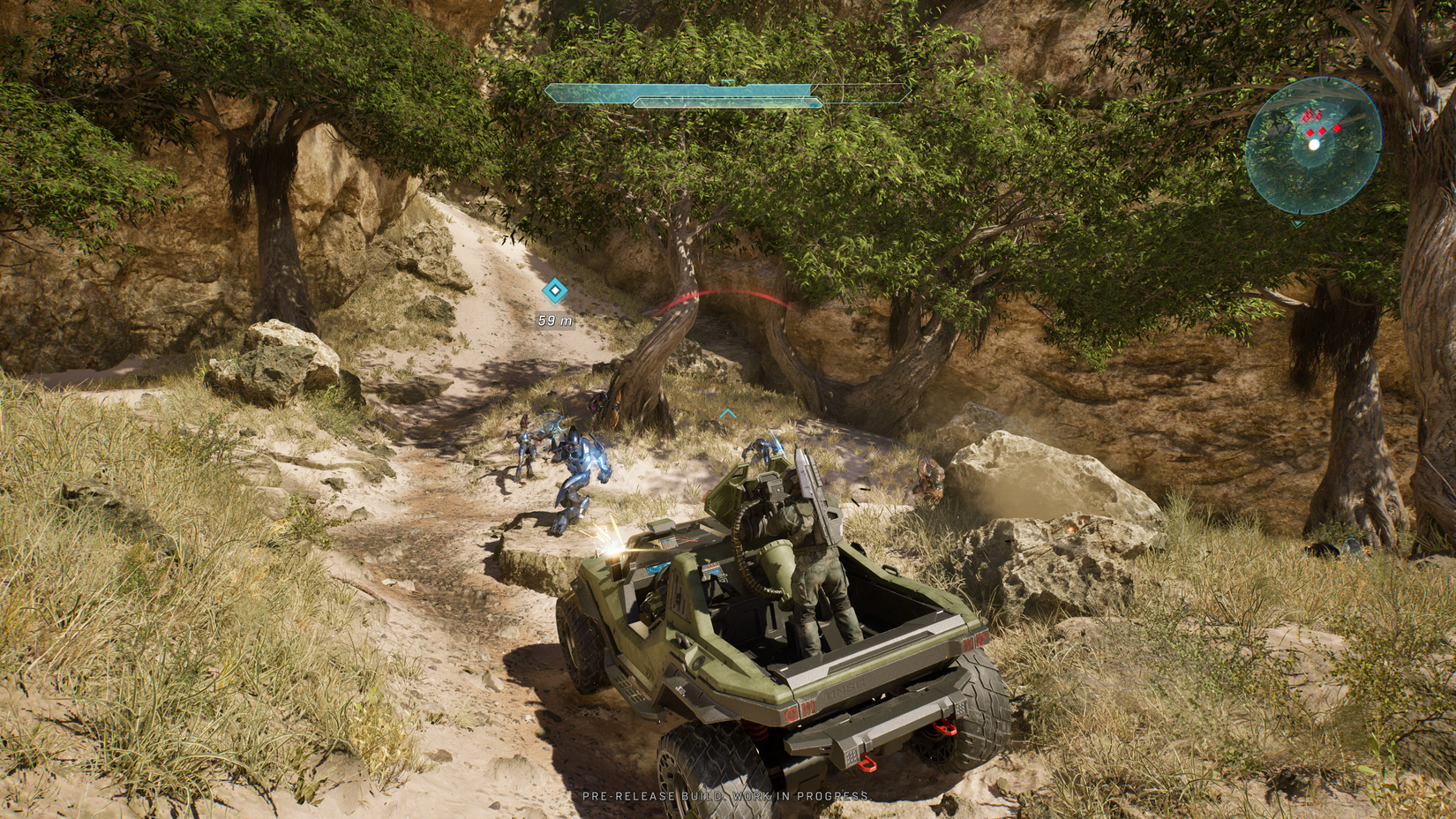 Image: Halo Studios/Xbox Game Studios
Hunters — those hulking, armored adversaries that traditionally fall to a carefully aimed shot through a vulnerable seam — behave differently here: pistol fire can now glance off their armor. That adjustment appears connected to sprint’s presence; developers have hardened certain foes to prevent players from trivializing encounters by simply sprinting past or exploiting movement mechanics.
That said, the game offers options to turn sprint off, and in tighter corridors the mechanic felt less intrusive. I’m curious to see whether claustrophobic missions such as “The Library” or sections of the Pillar of Autumn maintain their original tension or adapt differently with sprint enabled.
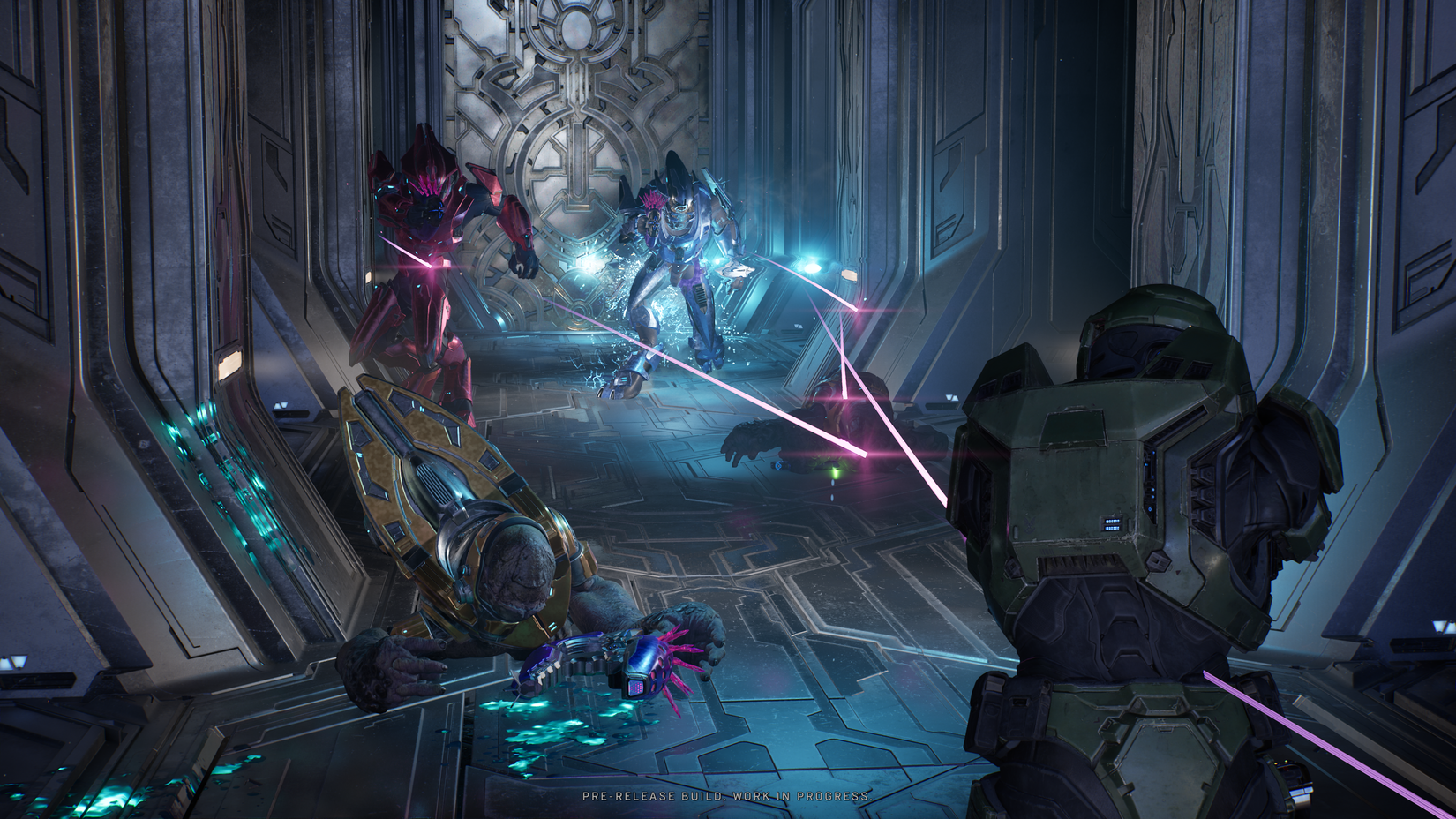 Image: Halo Studios/Xbox Game Studios
Halo: Campaign Evolved is an impressive technical and aesthetic achievement, but some modernizations tighten the sandbox. Classic improvisational tricks — like the Warthog jump, where players used a vehicle explosion to launch themselves great distances — no longer work the same way; some of those exploits now result in instant death instead of spectacle.
There are signs the studio is aware of these trade-offs. Halo Studios says the remake will include more skulls — gameplay modifiers that dramatically alter mechanics — than any prior campaign. Representatives indicated at least one modifier will make vehicles invulnerable, which could restore old exploits like Warthog jumps. How those options feel in practice remains to be seen, but their inclusion suggests an effort to preserve player-driven chaos where desired.
Smoothing rough edges can make an experience more comfortable, but over-smoothing risks erasing what made the original distinctive. My hands-on time was limited to a controlled demo, so it’s too early to judge how Halo Studios will balance polish and personality across the full campaign. If they strike the right note, I won’t walk to launch day — I’ll sprint.
Halo: Campaign Evolved is scheduled for release in 2026 on PlayStation 5, Windows PC, and Xbox Series X.
Source: Polygon