
Gates of Krystalia: The Ultimate Isekai Anime TTRPG Experience
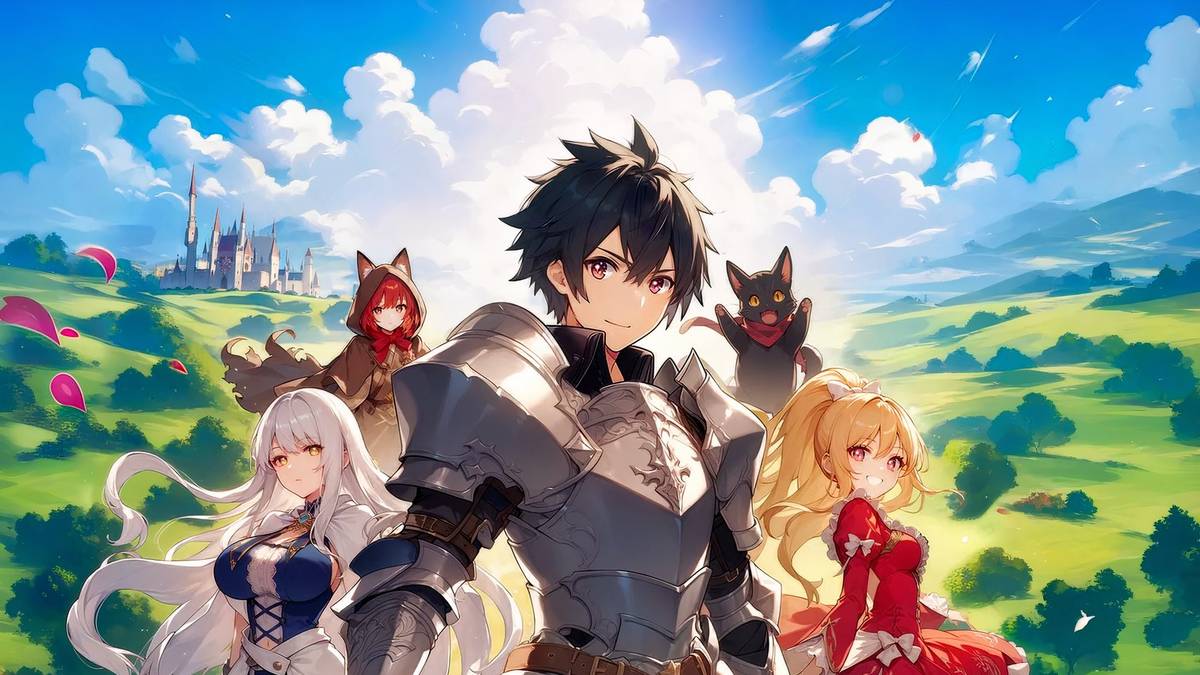
Your journey in Gates of Krystalia might begin with your demise, but death is merely the threshold to a grander narrative. Welcomed by a celestial goddess, you are offered a rebirth in a vibrant new realm, choosing between the life of a courageous Hero or the role of a Deux—the system’s unique moniker for the Game Master. This indie TTRPG leans heavily into anime-inspired wish fulfillment, branding itself as an “isekai” experience where protagonists are whisked away to magical, unfamiliar lands.
With the Kickstarter launch for the Lumina expansion approaching on Feb. 3 at 11 a.m. EST, we took a deep dive into the core mechanics and the Last Deux expansion. First debuted in late 2024, Gates of Krystalia fully gamifies the tropes of modern anime. It doesn’t attempt to dilute its niche appeal for the sake of the mainstream; instead, it leans into its identity with a refreshing, unabashed sincerity that fans of the genre will immediately recognize.
A Gateway to a New World
Gates of Krystalia excels at lowering the barrier to entry. Eschewing dry lore dumps and dense technical manuals, the core rulebook begins with an invitation from Thenarix, the divine guardian of Lumina, who selects souls from the afterlife to become the world’s defenders.
Guiding you through this transition is Nami, a Kemonomimi (fox-folk) assistant who acts as a narrative bridge. Rather than appearing as static tutorial text, Nami pops up in conversational sidebars to clarify rules and offer playful commentary. Her presence makes the rulebook feel less like a technical document and more like a curated tour of an anime setting, complete with a guide who might occasionally tease you for your choices.

The layout is further modernized by integrated QR codes that link directly to digital character sheets, reference cards, and thematic soundtracks. It’s a level of digital integration that feels forward-thinking, providing exactly what a table needs at the moment they need it.
Mechanically, the game swaps traditional dice for a standard 52-card deck. While card-based systems aren’t brand new, Krystalia integrates them into its core identity. Card suits and affinities dictate the flow of play, creating a sense of mounting tension as the deck thins. Players must strategically track what has been played and how their innate racial abilities synergize with the remaining cards, adding a layer of tactical depth that dice rolls often lack.
Familiar Frameworks with an Anime Twist
Visually and conceptually, the game feels like a love letter to the medium. The 256-page core book is rich with illustrations that evoke the aesthetics of Frieren: Beyond Journey’s End, Final Fantasy Tactics, and Sword Art Online.
The game features 10 races and 10 classes that provide a comfortable entry point for those accustomed to Dungeons & Dragons. You’ll find Berserkers that mirror the fury of Barbarians, Engineers that provide Artificer-style utility, and Tamers who manage companion beasts like Rangers. However, these are filtered through a distinct lens—Shamans, for example, harvest the spirits of the fallen to use as tools, while the healing roles are split into specialized archetypes rather than a single catch-all Cleric class.

The racial choices are equally thematic. Beyond humans and elves, players can opt for Oni or the nimble Kemonomimi. Each race possesses specific modifiers tied to the four suits of the card deck, subtly influencing their expertise and elemental leanings. It’s a cohesive design that reinforces the world’s internal logic without overcomplicating the math.
The Weight of Power and Trauma
While Krystalia facilitates high-octane power fantasies, it also implements a system of psychological consequences. Mechanics for trauma, madness, and corruption ensure that the violence of a fantasy world has a lasting impact on the characters. Witnessing the death of an ally or taking a life for the first time carries mechanical weight. If a character fails to manage these burdens, they can undergo permanent personality shifts or even succumb to madness, necessitating the creation of a new hero.
This approach echoes the emotional arcs found in series like Sword Art Online, where Kirito’s “overpowered” status is constantly balanced against survivor’s guilt. In Krystalia, trauma can eventually lead to resilience—repeated exposure to a specific fear can grant immunity, reflecting literal character growth through gameplay. Conversely, rest and recovery—including the classic anime hot springs trope—become essential for maintaining a character’s mental state.
Romance and Relationships

In many TTRPGs, romance is an afterthought. Gates of Krystalia elevates it to a core system. The game introduces 10 key NPC allies, each with distinct personalities and narrative hooks. Cultivating these relationships provides tangible mechanical bonuses and unique skills. However, these bonds require maintenance; favoring one ally too much while ignoring another can lead to resentment or abandonment. It’s a deliberate translation of the “harem” trope into a functional gameplay loop that rewards social investment.
Expanding the Horizons
The Last Deux expansion significantly broadens the scope, establishing a multiverse of worlds created by the Deux. This allows the game to pivot between genres effortlessly—from the steampunk fusion of Alchimera (reminiscent of Fullmetal Alchemist) to the kaiju-fighting mecha combat of Mecha-Genesis. There are even nods to superhero settings like My Hero Academia and feudal supernatural settings like Inuyasha.
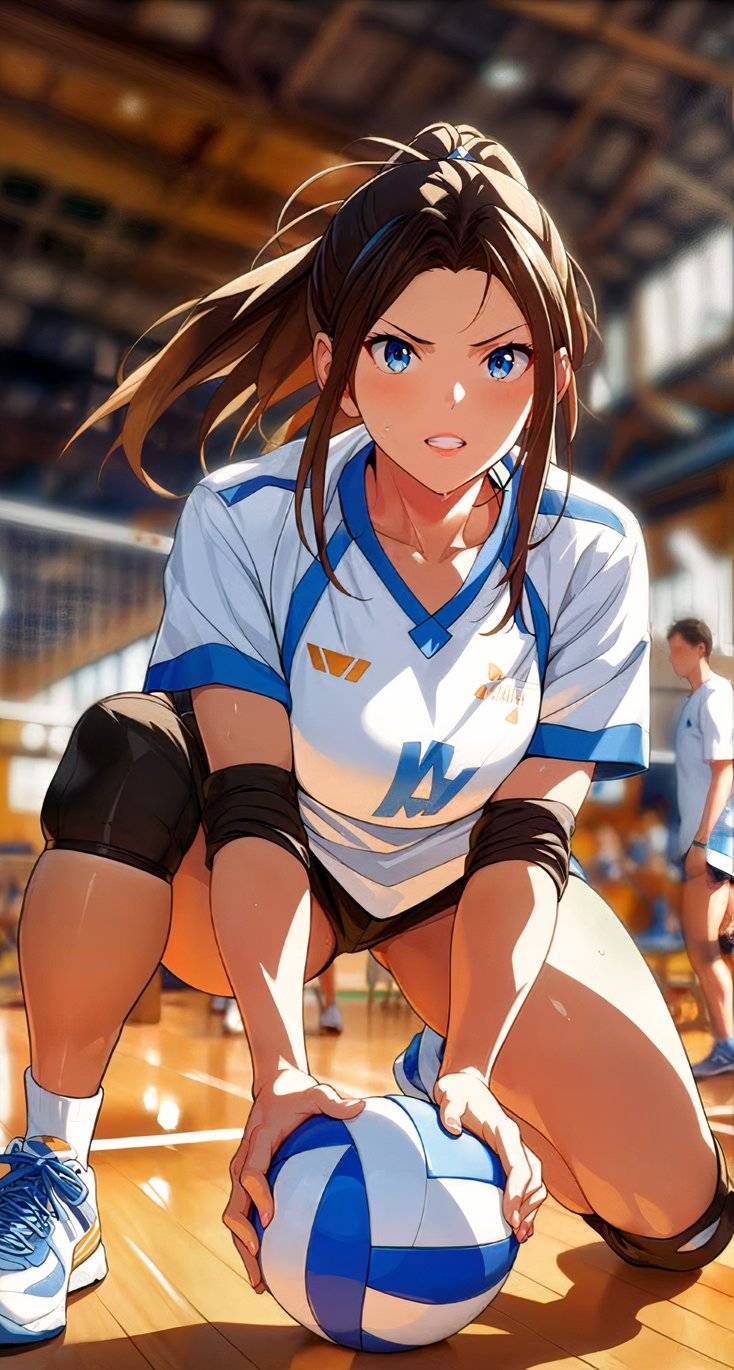
Perhaps the most intriguing addition in Last Deux is the focus on “real-world” slice-of-life mechanics. It includes systems for school clubs, cultural festivals, and competitive sports. New classes like the Idol, Class Leader, and the surprisingly potent Otaku allow for adventures that mirror supernatural modern-day anime like Jujutsu Kaisen or Dandadan.
The upcoming Lumina expansion promises to flesh out the titular world even further. For those who cherish anime culture and JRPG mechanics, Gates of Krystalia offers a polished, sincere platform for storytelling. It’s a game built by people who clearly understand why these tropes work, providing a sandbox where fans can fully embrace the fantasy of their favorite series.
In a market that often plays it safe, Gates of Krystalia succeeds by knowing exactly who its audience is and delivering an experience that is both mechanically sound and delightfully thematic.
Source: Polygon
Related articles
 Warhammer Team Showcases Golden Demon 2026 Miniature Painting Winners at SPIEL Essen
 Delicious in Dungeon Season 2 Character Illustrations Shown
 Report: Sucker Punch, Developer of Ghost of Yōtei, Hit by Layoffs
 Inscryption Developers Announce Mobile Version, Answer Questions About Sequel and Add-Ons
 Aaron Paul Mostly Cut From “Clayface,” Director James Watkins Explains Why
 Fan-Made NFS: Most Wanted Port for Android Adds Online and Local Multiplayer Support
 Nintendo Switch 2 Hackers Achieve Major Breakthrough
 Fortnite Gives First Look at One Piece Content