Eurovision Song Contest to Debut Asian Edition in 2026

Eurovision Extends Global Reach With Inaugural Asian Edition in Bangkok
The iconic Eurovision Song Contest is set to broaden its horizons this year, launching its first-ever Asian iteration. This landmark cultural phenomenon will debut in Bangkok on November 14, marking a significant milestone in the competition’s history. According to official announcements, an initial cohort of ten nations—including South Korea, Thailand, Malaysia, Vietnam, and the Philippines—is already confirmed, with additional participants expected to be revealed in the lead-up to the event.
“As we celebrate the 70th anniversary of the Eurovision Song Contest, it is profoundly meaningful to embark on this new chapter in Asia—a region defined by its immense creativity and vibrant cultural heritage,” stated contest director Martin Green.
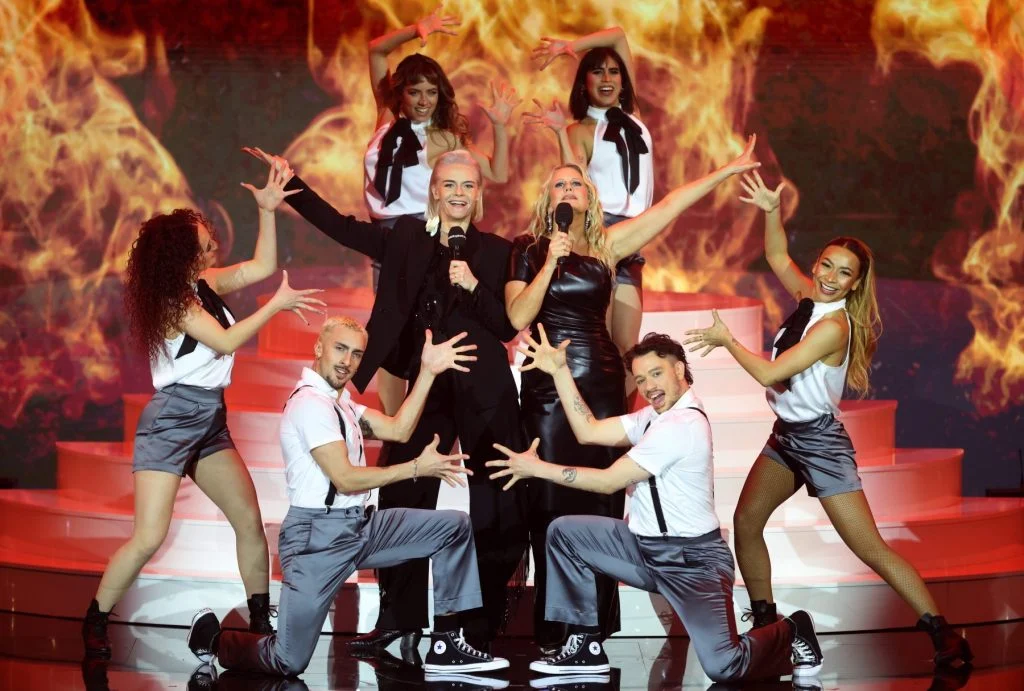
This Asian expansion follows the traditional European grand final, which is scheduled to take place in Vienna this May. While the European contest will feature 35 countries competing with high-concept performances and power ballads, the participating Asian nations will soon begin their own televised selection rounds to determine who will represent them on the stage in Bangkok.
The move represents the latest attempt to scale a brand that attracts more than 160 million viewers annually. While the 2022 American Song Contest, hosted by Snoop Dogg and Kelly Clarkson, failed to secure a second season due to lukewarm ratings, organizers are optimistic that the Asian market’s deep-rooted passion for pop music will drive the new format’s success.
Navigating Music and Geopolitics
Despite the organization’s commitment to remaining a strictly apolitical celebration of original music, the contest often finds itself at the center of global discourse. The upcoming Vienna edition has faced boycott calls from several European nations due to the inclusion of Israel amidst the ongoing conflict in Gaza. This follows previous controversies and the continued exclusion of Russia, which has been barred from the competition since 2022.
Nevertheless, the Eurovision mission remains centered on the “power of the vote” and the unification of diverse cultures through the medium of pop. Fans can expect the same high-energy production values and spectacle that have made the original contest a global mainstay for seven decades.

Related articles
 Yoshiki Discusses Music, Life, Legacy, and His New Collaboration ‘Forever Love (Live)’ With Josh Groban
 Kroi Discusses New Song SPIN and Creative Journey Intersecting With JoJo Chaos
 Jason Kelce and Travis Kelce Discuss Whether Taylor Swift Has Ever Made a Halloween Song
 BLACKPINK Member LISA Announces Single ‘Tarantino’
 Ultra Music Festival Announces Phase One Lineup for 2027, Including First-Ever B2Bs
 Miley Cyrus Discusses Philanthropic Focus Ahead of Live Return
 Kelly Clarkson’s Interaction at Brooklyn Store Art of Play Revealed in Store’s Security Video
 Travis Barker Recalls Text From Kourtney Kardashian That Transitioned Them From Friends to a Relationship