
Dragon Quest VII Reimagined — Rebuilding a Classic
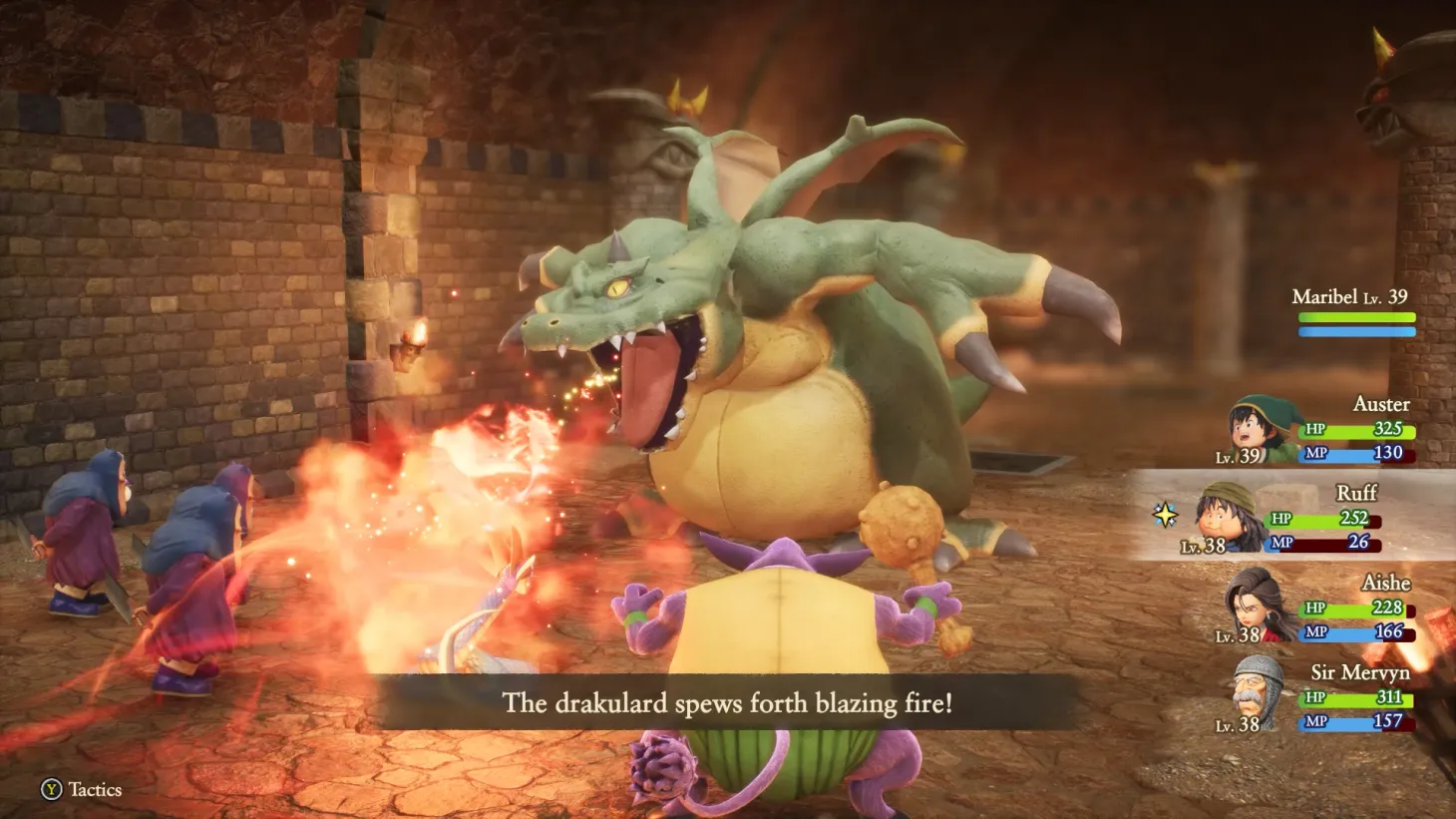
I flew to Tokyo to spend a couple of hours playing Dragon Quest VII Reimagined and to speak with the development team for our cover story. This new iteration is the second full remake of the title (after the 2016 Nintendo 3DS version), so I wanted to understand where the team begins when revisiting a beloved entry in the series.
Producer Takeshi Ichikawa and director Masato Yagi walked me through their approach: which aspects of the original were untouchable, which could be refreshed, and how they balanced fidelity with modernization. Below are the key takeaways from our conversation.
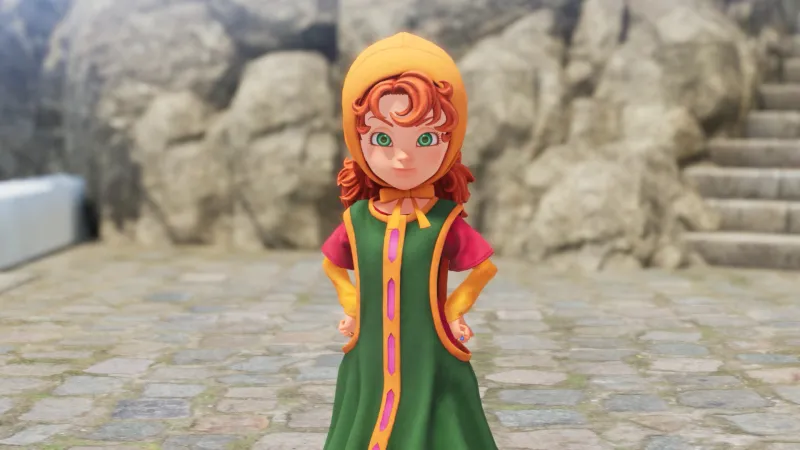
Yagi admitted he felt some pressure but said his excitement about implementing new ideas outweighed any nerves: “I was excited with the idea of bringing these new changes.” Ichikawa, meanwhile, described a more measured enthusiasm, outlining three pillars the team prioritized at the project’s outset: visuals, scenario (story), and combat. Their objective was to present a reimagined experience that highlights what makes Dragon Quest VII special for a global audience.
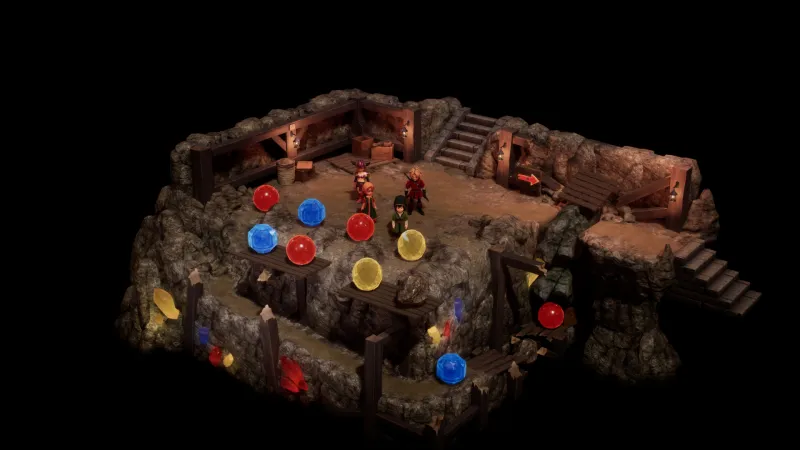
Ichikawa emphasized the importance of preserving the game’s narrative core: Dragon Quest VII’s tale is distinct among the mainline entries—darker, more fraught with hardship, and tonally different from the franchise’s typically lighter fare. That tonal weight was something the team was determined to keep intact while refining presentation and pacing.
Yagi echoed that sentiment. He recalled wondering whether the original’s tone felt like Dragon Quest at all when he first played the PlayStation version, and said retaining those darker beats—including key moments involving the character Prince Kiefer—was vital. The team debated several scenes but ultimately maintained most of the story’s essential moments, making modest adjustments rather than wholesale removals.
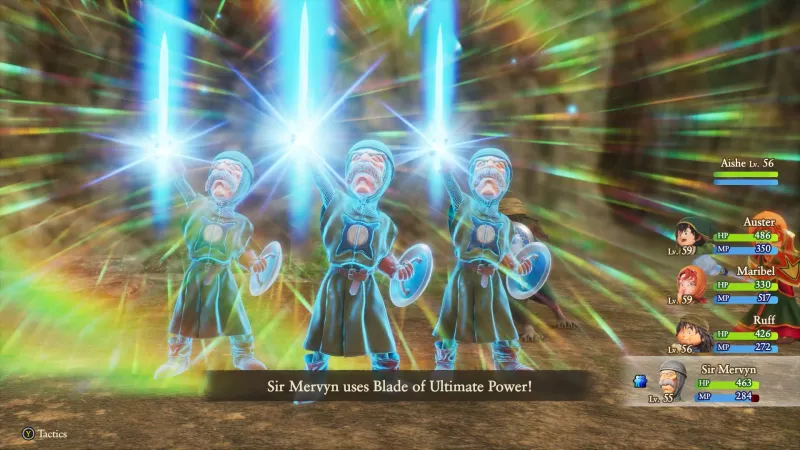
On the systems side, Yagi explained the team streamlined the narrative and refined combat so the overall experience feels more immersive and approachable for modern players. Ichikawa further clarified why they chose the term “Reimagined” instead of “Remake”: the team rebuilt virtually every technical layer from scratch—aside from the scenario—so the new subtitle communicates that this is a fresh interpretation of the original rather than a strict recreation.
Dragon Quest VII Reimagined launches on February 5 for PlayStation 5, Xbox Series X|S, Switch 2, Nintendo Switch, and PC.
For deeper coverage, see our related pieces: the digital issue overview, the cover-reveal breakdown, and the historical feature with series creator Yuji Horii. Read more here:
 Nintendo Releases Updated Switch 2 in Europe
 F1 25 Receives Major Update With 2026 F2 Season
 EA Sports is cloning a commentator’s voice for NHL 27 with their consent
 Journalist Reports Forza Horizon 6 PS5 Release Will Be Delayed
 LEGO Announces The Legend of Zelda Set Featuring Adult Link and Epona
 Sony Cites Strong Financial Argument Against Physical Games
 Dune: Part Two Marks 100-Day Countdown to Release
 Remedy Explains Why Control Resonant Became an Action RPG