Share via:
-
Facebook
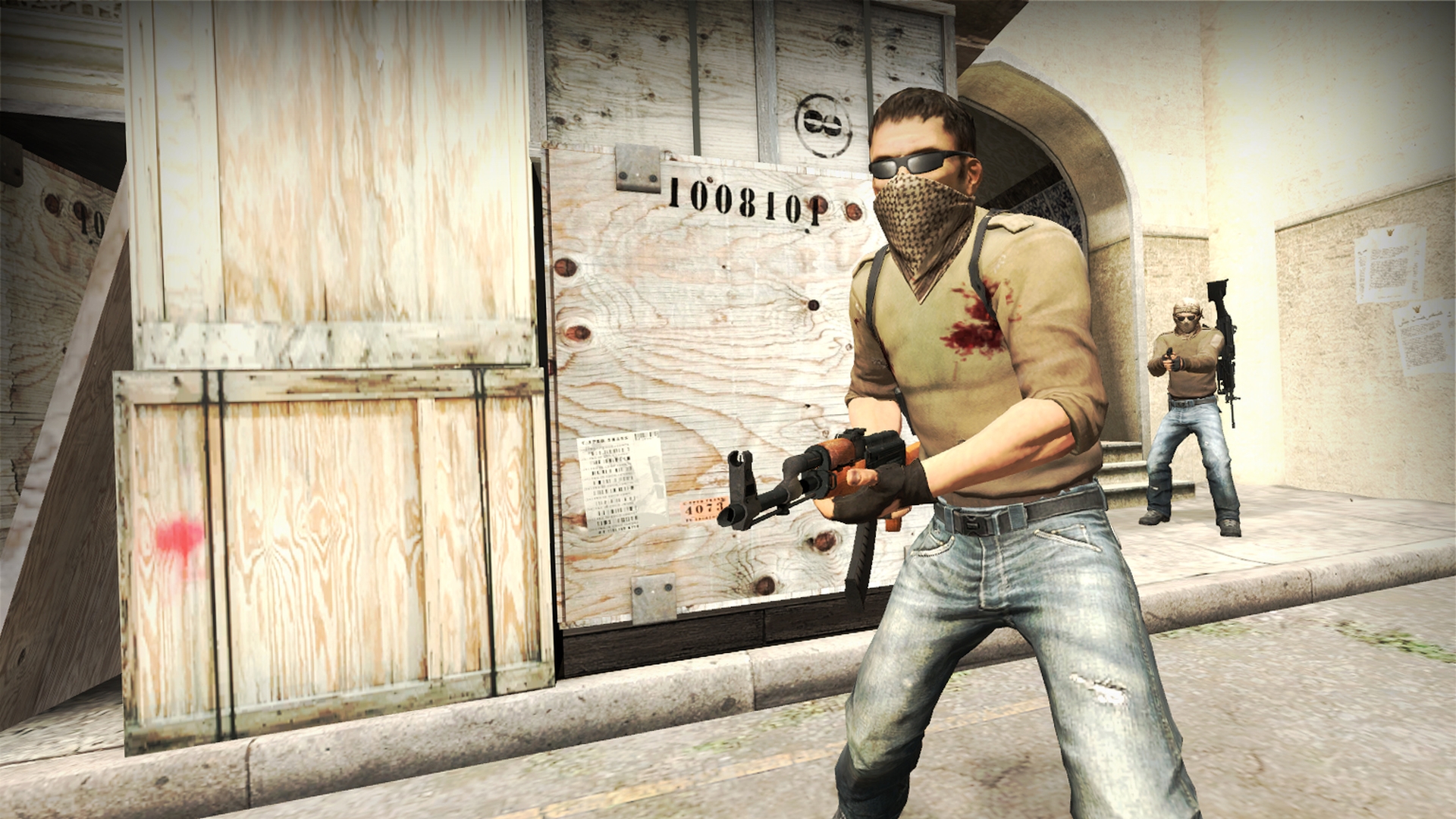
While Counter-Strike was an immediate hit upon its debut, few could have anticipated the massive financial juggernaut it would eventually become. Even decades later, the iconic tactical shooter remains a primary revenue stream for Valve, amassing staggering profits that have secured the fortunes of many long-term staff members. For Minh Le, the mod’s co-creator who moved on early in the game’s lifecycle, this reality sometimes sparks reflection on the path not taken.
“I definitely have a few regrets,” Le admitted in a conversation with Edge magazine. “When I look at my former colleagues at Valve with whom I’m still in contact, it’s hard not to notice that they are extremely well-off financially.”
During the early 2000s, Valve recruited Le and his partner Jesse Cliffe to officially develop what was then the world’s most popular Half-Life mod. However, after several years of seeing the game dominate the PC landscape, Le felt the urge to innovate. He sought a fresh creative challenge, but his vision didn’t align with the direction Valve had planned for the franchise at that time.
“I could see the trajectory of Counter-Strike, and it felt stagnant after six years,” Le explained. “Valve offered me the opportunity to work on Counter-Strike: Source, but they were hesitant to change the core mechanics—they essentially wanted a graphical facelift. My heart was set on building an entirely new project from the ground up.”
Following an amicable discussion with Gabe Newell and other senior leaders, both parties decided it was time to part ways. “They essentially told me that my growth as a developer might be better served in an independent capacity rather than within a corporate professional environment,” Le recalls.
Le eventually launched his own tactical shooter, Tactical Intervention, which concluded its run in 2019. Since then, he has contributed to high-profile projects like Rust and worked with Pearl Abyss, the studio behind Black Desert Online. “Had I stayed at Valve, I likely would have been retired by now. Instead, I chose a much more demanding and unpredictable career path,” he says.
“Nevertheless, I believe this journey has been far more fulfilling in terms of my professional evolution and personal growth,” he continues. “I’ve experienced facets of the gaming industry that I never would have encountered had I remained within the walls of Valve.”