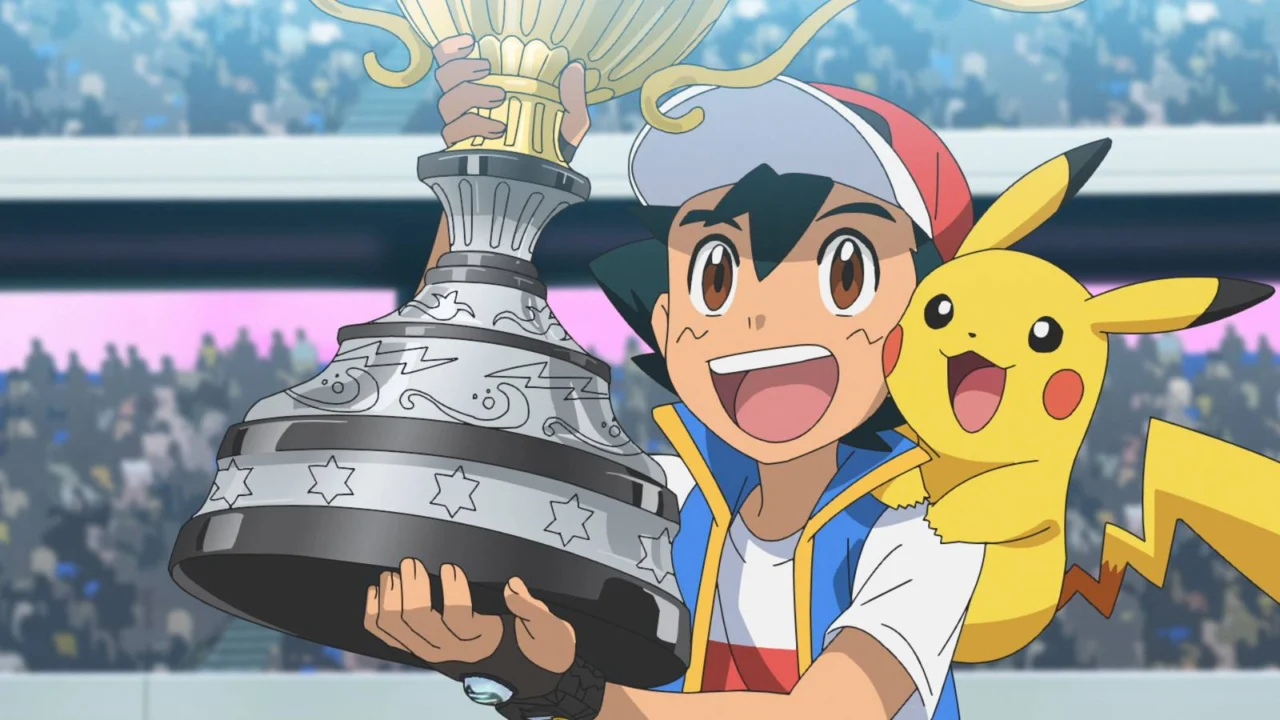
After 27 years, the Pokémon anime still hasn’t adapted the games’ greatest moment
At eleven years old, I found myself frantically navigating the labyrinthine tunnels of Mt. Silver in Pokémon Gold & Silver. The real-world stakes were high: my family was moments away from leaving for a weekend outing. Already dressed and waiting by the door, I clutched my Game Boy, desperate to uncover whatever secrets lay at the mountain’s peak. As the path finally opened up, I saw a solitary figure standing against the snowy backdrop—a sprite that felt hauntingly familiar yet strangely out of place. I had spent years inhabiting this character in Pokémon Red & Blue, but in that moment, the connection didn’t immediately register.
My father’s voice echoed through the house, announcing it was time to depart. I quickly saved my progress, but curiosity won out—I pressed the A button. The screen filled with those iconic ellipses. That was the moment the realization hit me.
The transition to the battle screen was electric. Red’s sprite materialized, his name flashed across the interface, and then came the reveal: a Level 81 Pikachu. It was a level of power I hadn’t even imagined possible.
The shock was physical. I snapped the handheld shut, my mind reeling, and blurted out to my dad—himself a gamer—that the protagonist from the first generation had returned as the ultimate challenge of the sequel. He looked back at me with a proud, knowing grin, recognizing a kindred spirit in my excitement.
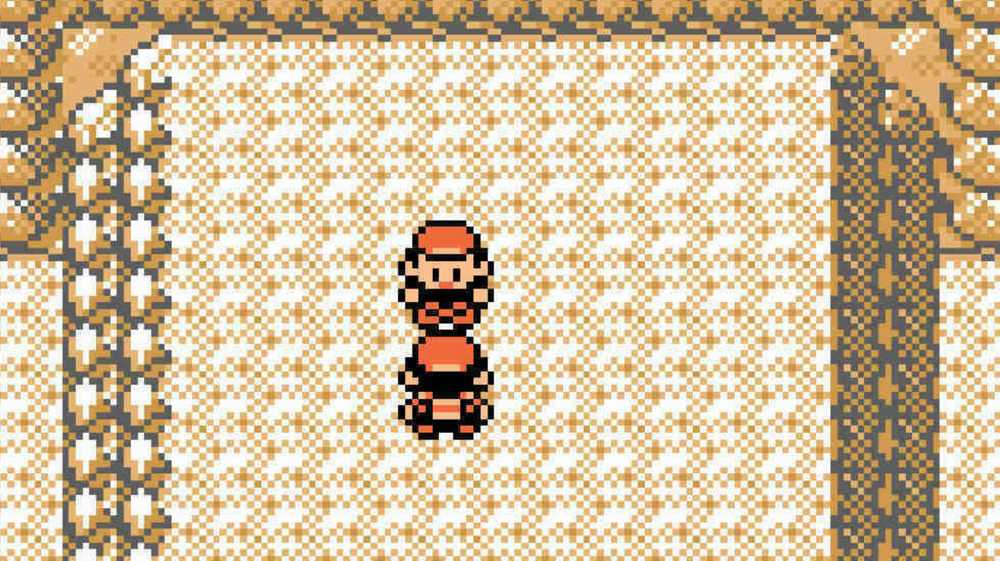
Red’s clandestine appearance at the conclusion of Pokémon Gold & Silver stands as a definitive pinnacle for the franchise. It forced the new protagonist, Gold (later known as Ethan), to confront the living legend of the previous era. For young fans, this revelation carried the same weight as cinema’s greatest plot twists. For me, it remains a foundational memory of what video games can achieve as a medium.
It is genuinely baffling that this momentous encounter hasn’t been authentically replicated in the anime, even twenty-seven years after the games redefined the series.

While Red and Gold eventually clash in the Pokémon Adventures manga, that interpretation leans toward a symbolic transition. Rather than a high-stakes duel between strangers, it is framed as a mentorship where Red passes his wisdom to a successor. It’s a compelling narrative, but it lacks the enigmatic shock and the “final boss” aura that made the game’s version so haunting.
In the main anime series, Ash Ketchum has long been the primary stand-in for Red. While his early journey was marked by struggle, Ash eventually evolved into a titan of the sport. His victory over Leon—the man hailed as the world’s most formidable trainer—in Pokémon Journeys finally cemented his legendary status. Now that Ash has stepped away from the spotlight to make room for Liko, his eventual return could mirror the Mt. Silver moment perfectly. An enigmatic, wordless Ash appearing as the ultimate hurdle for Liko would be a masterful way to bridge the generations.
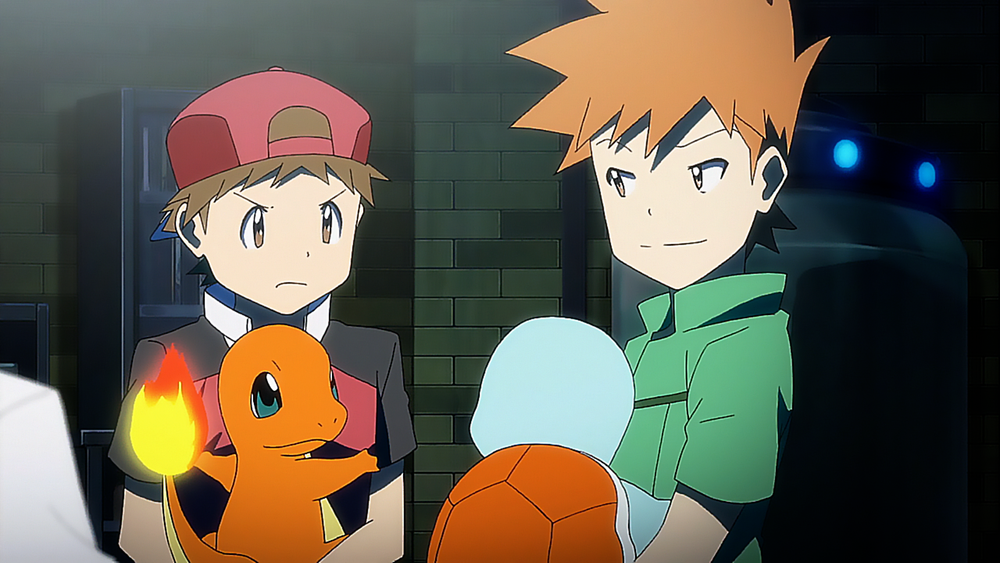
Perhaps an even more fitting path would be a direct sequel to the 2013 special Pokémon Origins. That miniseries was a gorgeous love letter to the original 1996 titles. A follow-up focused on the Johto region could culminate in a cinematic showdown atop Mt. Silver. Much like the legendary duel between Jaden and Yugi in Yu-Gi-Oh! GX, the battle could end on an ambiguous note, leaving the victor to the viewer’s imagination while preserving the untouchable legacy of both heroes.
With three decades of history under its belt, the Pokémon franchise still holds this incredible moment in reserve. Why the Pokémon Company hasn’t yet animated this iconic confrontation is a mystery, but there has never been a more opportune time to bring the Mt. Silver battle to life. Seeing that clash in modern, high-fidelity animation would surely ignite the imaginations of a new generation of Youngster Trainers, just as it did for me all those years ago.
Source: Polygon
Related articles
 Techland CEO Paweł Marchewka Says Players Expect Too Much, Ends Substantial Content Support for Dying Light: The Beast
 Diablo: Unbound Officially Announced for 2027 Release
 FromSoftware Releases Elden Ring Update With Security Improvements and Bug Fixes
 The Blood of Dawnwalker Developers Repeated a Gothic 3 Mistake, but Problem Mobs Will Soon Be Nerfed
 EA Closing Legendary RPG Developer BioWare as Part of Fresh Layoffs
 Dark Souls II Dataminer Finds Large Coliseum and Underground Level With Tower
 Final Fantasy VII Revelation Will Let Players Select Hard Mode From the Start, Director Naoki Hamaguchi Says
 BeamNG.drive: Hotfixes for v0.40 Released