
A Knight of the Seven Kingdoms Reclaims the Advantage Game of Thrones Lost

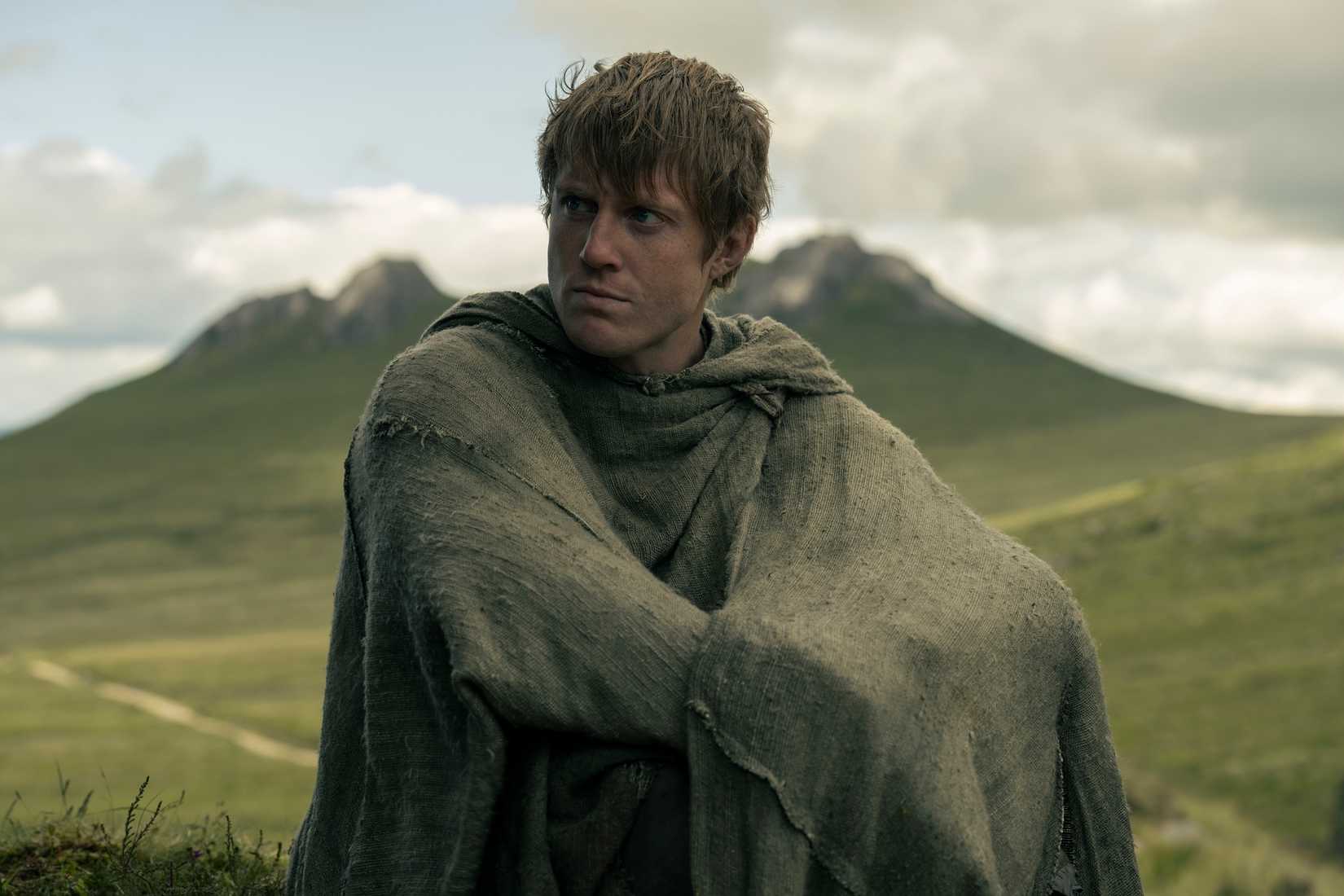
The inaugural season of HBO’s A Knight of the Seven Kingdoms has reached its conclusion, cementing itself as a monumental triumph for the network. The series launch secured its place as one of HBO’s top three most-watched premieres in history. Beyond viewership numbers, the show has also achieved some of the highest IMDb ratings across the entire Game of Thrones franchise. Crucially, it possesses a structural advantage its predecessors lacked: a fully realized, completed narrative to adapt—a factor that undoubtedly contributes to its critical and commercial resonance.
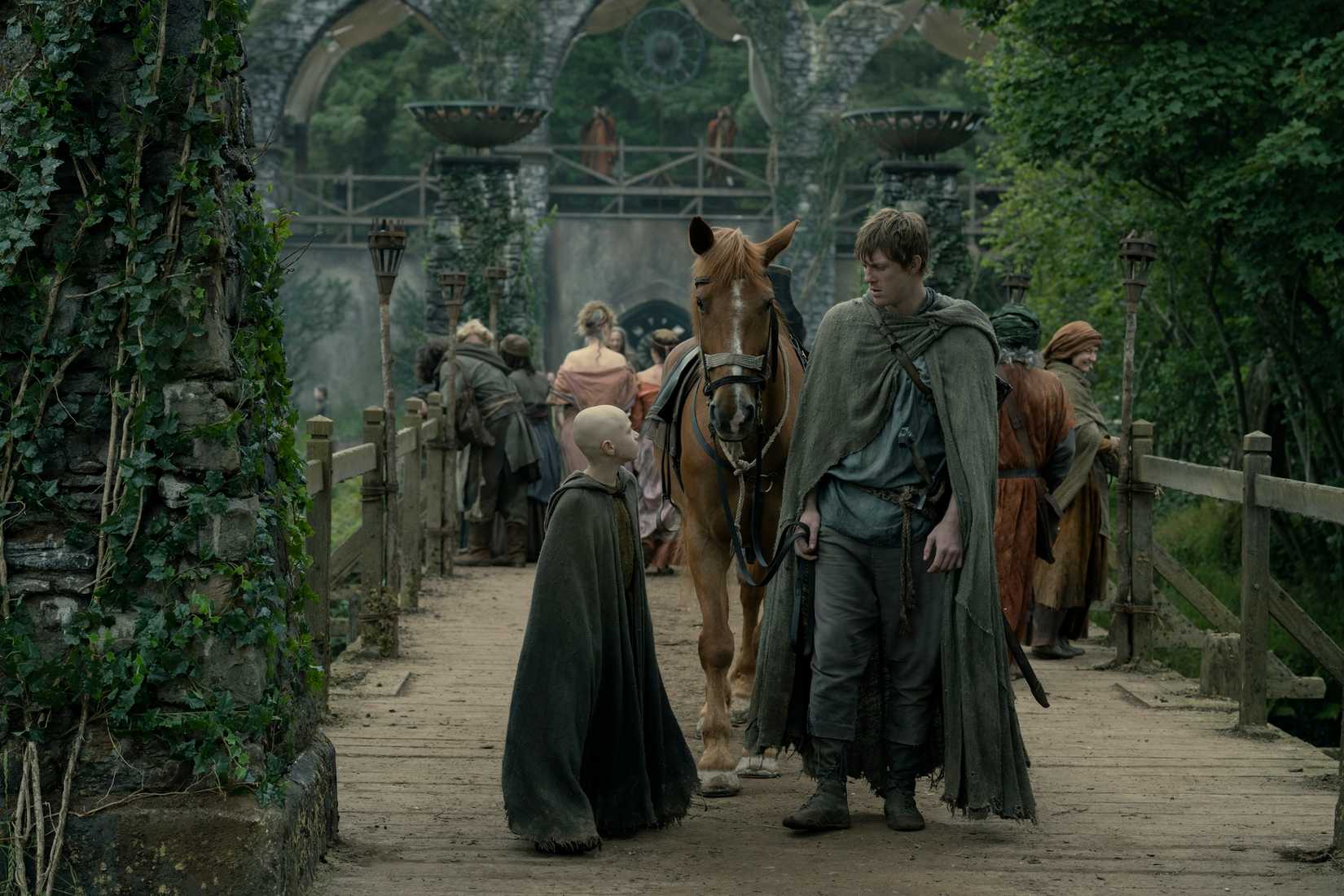
While the original Game of Thrones eventually outpaced George R.R. Martin’s unfinished novels, and House of the Dragon interprets a fictional history book rather than a traditional story, The Hedge Knight offers something different. As the first of the Dunk and Egg novellas, it is part of a trilogy of finished tales with a dedicated fanbase and a precise narrative arc. The blueprint is already established; the character trajectories are defined, and the resolution is clear.
By eliminating the risk of overshooting the source material or relying on frantic, late-game plot pivots, season 1 of A Knight of the Seven Kingdoms benefits from a rare sense of cohesion. Viewers were never in danger of being blindsided by the abrupt tonal shifts that famously marred the final chapters of Game of Thrones. This narrative stability provides the season with a thematic unity and confidence that other spin-offs have struggled to maintain.
The controversy surrounding the Game of Thrones finale wasn’t necessarily the ending itself, but rather the rushed and uneven execution that preceded it. Many fans actually agreed with where the major characters landed, largely because readers had been theorizing about these conclusions for over a decade. The show essentially arrived at a destination the fandom had already anticipated, but it lacked the literary roadmap to get there gracefully.
Without Martin’s detailed prose to guide the journey, showrunners David Benioff and D.B. Weiss had to bridge the gaps themselves, and that is where the narrative tension faltered. Meanwhile, Martin himself has expressed reservations about House of the Dragon’s adaptation of Fire & Blood, detailing various issues in a now-deleted blog post. Showrunner Ryan Condal defended the changes, noting that adapting an “incomplete history” requires significant invention to connect the dots, a process that inherently yields mixed results.
Unlike a standard novel, Fire & Blood is written as an in-universe academic text by a Westerosi scholar. This lack of a traditional narrative structure forced the creators to take creative liberties that haven’t always landed with the same impact as a direct adaptation of a finished story.
Parallels between the Game of Thrones universe and Star Wars are common, particularly in how they manage source material. Since the Disney era began, Lucasfilm has frequently cherry-picked highlights from the non-canonical Expanded Universe rather than providing faithful adaptations. This has resulted in a franchise that often feels disjointed, leading the studio to attempt a course correction by bringing standalone hits like The Mandalorian to the big screen.
Westeros was at its strongest during the first four seasons of the original series, when it remained tethered to Martin’s books. A Knight of the Seven Kingdoms represents a refreshing return to that faithful approach. For the next two seasons, the path forward is clear, with two more completed novellas providing a resolved and structured foundation.
However, the long-term future remains uncertain. Showrunner Ira Parker has expressed a desire to collaborate closely with Martin on future installments, and Martin claims more stories are on the horizon. Whether these new tales actually materialize remains to be seen. Without a definitive roadmap for the later seasons, this celebrated new wing of the franchise risks encountering the same turbulence that affected the shows before it.
Source: Polygon
Related articles
 Sony Pulls Its Last UHD Blu-ray Player From Sale in Japan
 Players Launch Petition Hoping to Save Mass Effect 5
 Assassin’s Creed Black Flag Resynced Developers Confirm New Mode
 Best Visions to Use in Final Fantasy Resonance
 Activision’s Polish Studio Reportedly Developing Open-World RPG to Rival GTA VI and Cyberpunk 2077
 The 25 Best Switch 2 Games
 Amazon’s Mass Effect TV Series Reportedly Still in Production Despite BioWare Closure
 Shadow of the Tomb Raider Unexpectedly Launches on Switch 2, Making Full Trilogy Available