
28 Years Later: Why The Bone Temple is the Dark Knight of Post-Apocalyptic Cinema
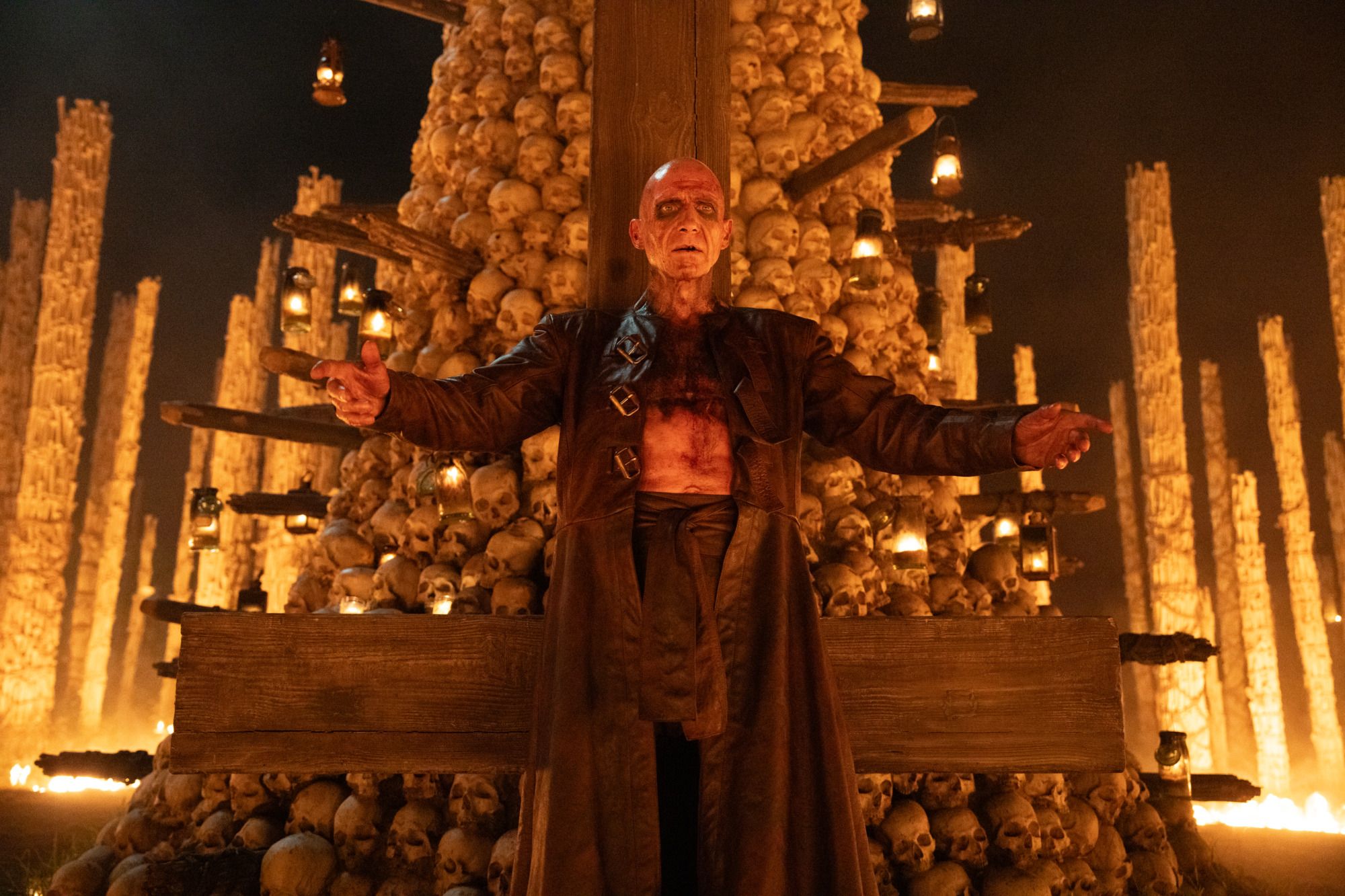
The “sophomore slump” is a notorious hurdle in cinematic trilogies. Much like the proverbial middle child, the second installment often lacks the groundbreaking novelty of the original and the definitive closure of the finale. However, when a middle chapter hits its stride, it becomes legendary—think of the darker, more expansive worlds established in The Empire Strikes Back or The Dark Knight. Despite the immense pressure to live up to its predecessor, 28 Years Later: The Bone Temple emerges as a masterclass in middle-chapter storytelling, enriching the established lore while setting a high bar for the inevitable conclusion.
Stepping into the shadow of Danny Boyle—who revitalized his own 2002 classic with 2025’s 28 Years Later—director Nia DaCosta faced a daunting task. Handed the reins before the first film of this new trilogy even reached audiences, the filmmaker behind The Marvels and Candyman (2021) had to maintain narrative momentum without the benefit of viewer feedback. The result is a triumph of vision. While The Bone Temple pivots away from Boyle’s frantic visual experimentation, it offers a sophisticated expansion of a post-apocalyptic Britain, blending grotesque horror with a surprisingly poignant sense of humor.
The narrative picks up the threads of young Spike (Alfie Williams) and his fractured family, but the spotlight shifts toward the franchise’s more enigmatic figures: the macabre Dr. Ian Kelson (Ralph Fiennes) and the terrifyingly charismatic Jimmy (Jack O’Connell). DaCosta bifurcates the story, following these two on tonally distinct paths that eventually collide with explosive force.
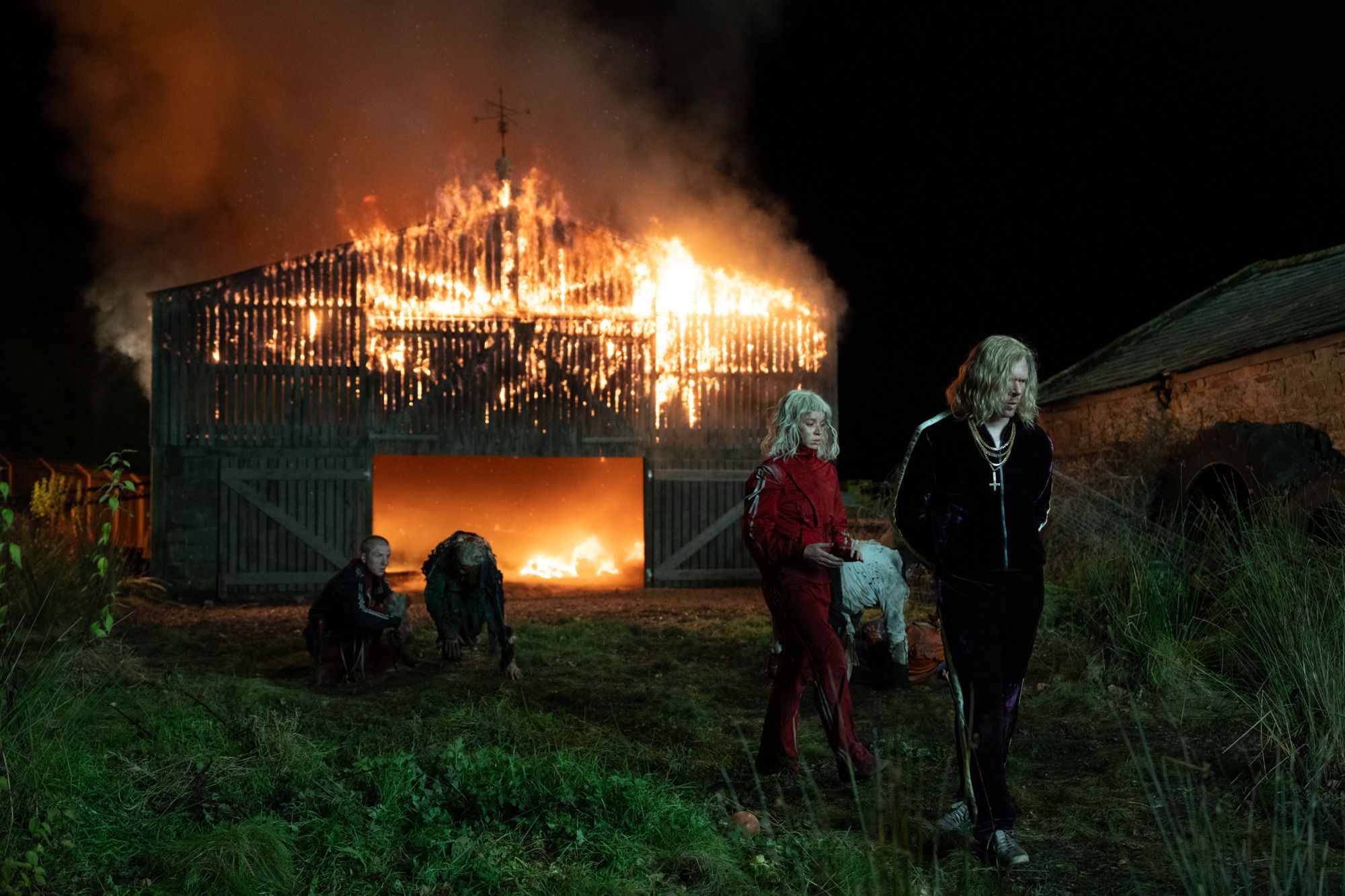
We find Spike integrated into Jimmy’s disturbing cult of personality—a troupe of killers who mirror their leader’s bleach-blonde aesthetic. Their introduction is a visceral gut-punch; promising “charity” to survivors, they instead deliver a brand of systematic cruelty that will challenge even the most seasoned horror aficionados. Jack O’Connell is electrifying here, portraying Jimmy not as a simple thug, but as a man genuinely convinced that the Rage virus was a divine instrument sent to purge human immorality. In a world of sprinting monsters, O’Connell’s quiet, fanatical conviction is easily the most unsettling element on screen.
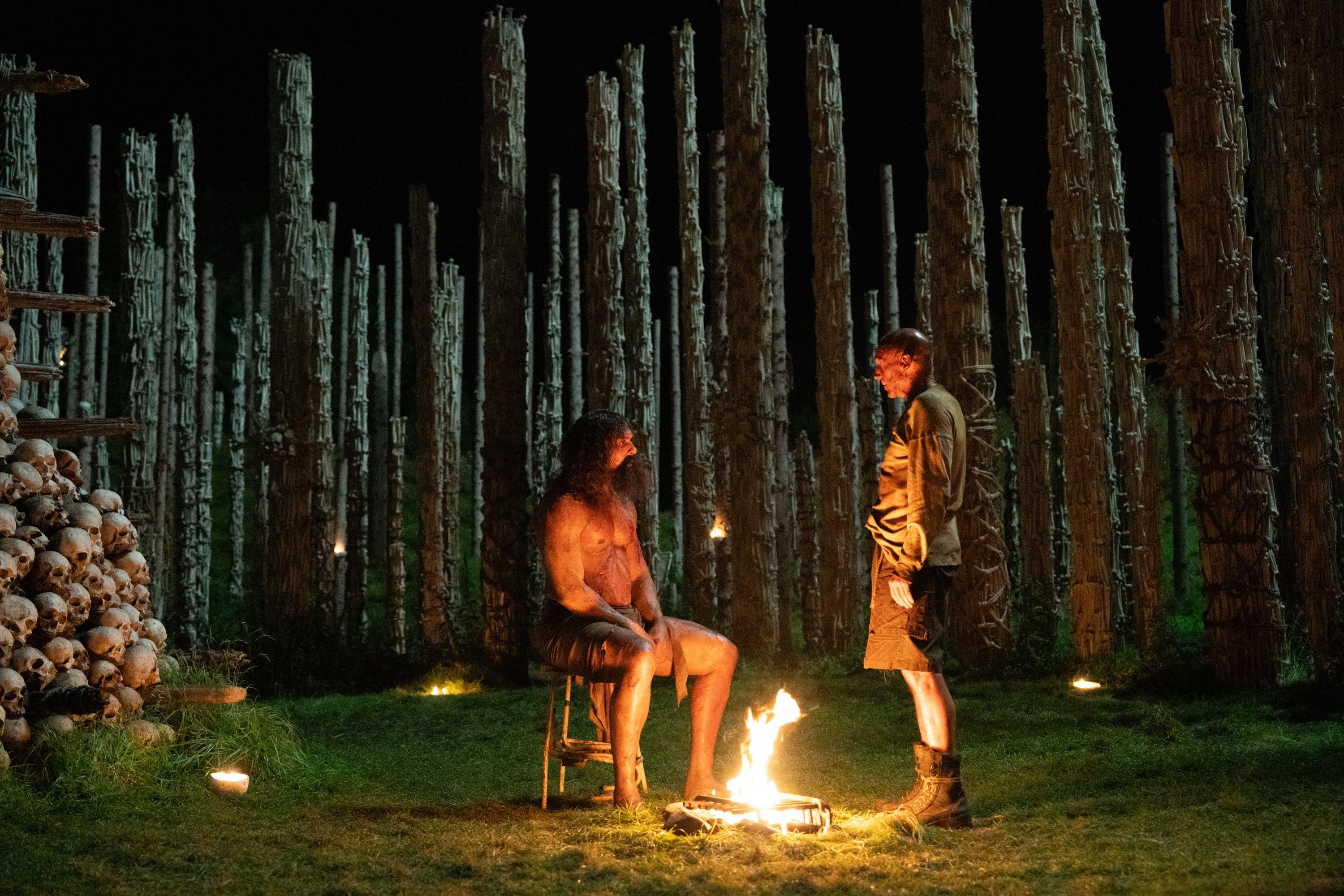
In stark contrast, Dr. Kelson’s journey provides a meditative, albeit eerie, counterpoint. Still tending to his skeletal monument to the fallen, Kelson forms an inexplicable bond with Samson (Chi Lewis-Parry), the “Alpha” infected from the previous film. This “odd couple” dynamic allows DaCosta to explore the human-infected boundary without relying on cheap jump-scares. It underscores a classic genre theme: as the social contract dissolves, the true horror isn’t the virus, but the ways in which humanity cannibalizes itself.
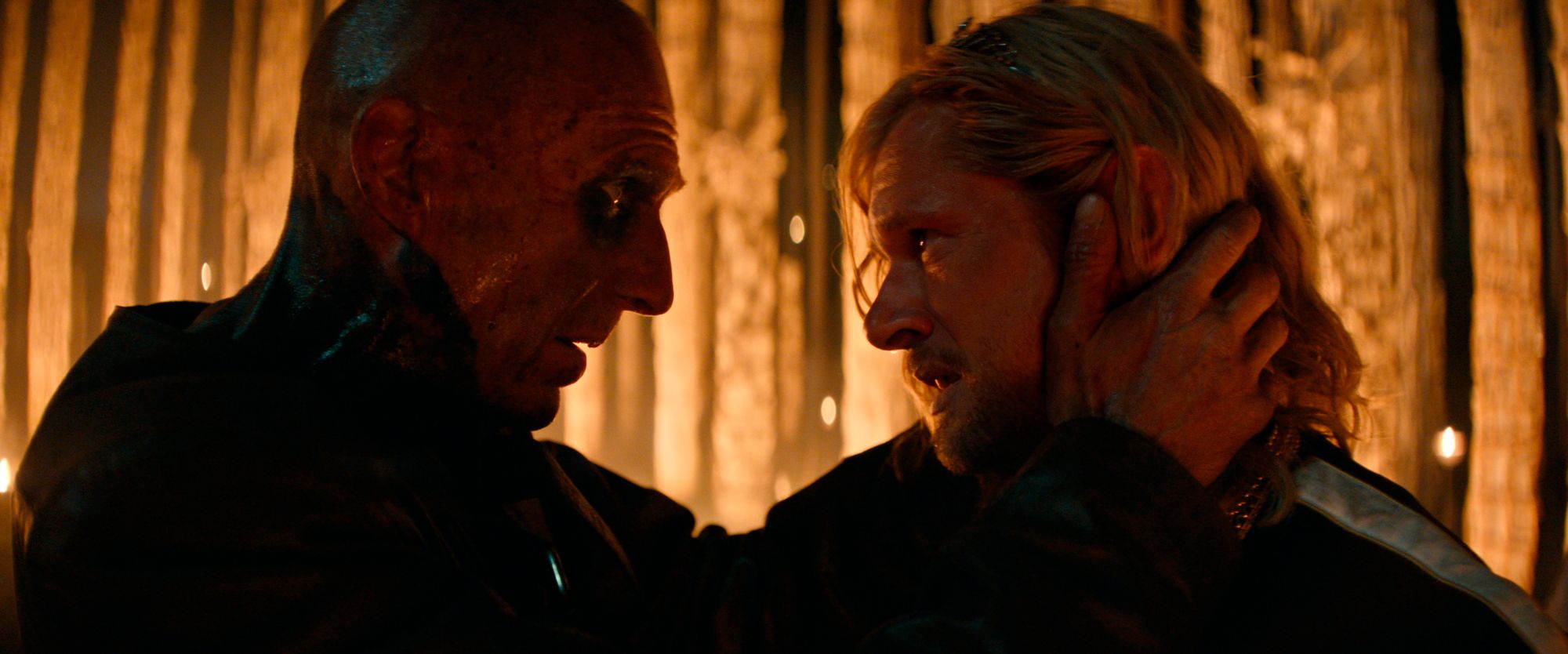
The inevitable intersection of Kelson and Jimmy serves as the film’s ideological backbone. Written by Alex Garland (of Civil War and Annihilation fame), the script frames their confrontation as a clash between cold science and fervent religious zeal. Their initial verbal sparring is a masterclass in tension, leading into a grand-scale climax that earned mid-screening applause at my theater. It is a sequence of such scope and technical execution that it demands to be seen on the largest screen possible.
While The Bone Temple is a stunning achievement, some fans might crave more information about the global state of affairs—a thread teased by the Swedish survivors in the previous installment. DaCosta keeps the focus tightly on the British Isles, leaving broader world-building for the final chapter. Nevertheless, as a bridge between acts, this film does more than just fill space; it deepens the stakes and proves that this franchise still has plenty of bite left.
28 Years Later: The Bone Temple makes its theatrical debut on January 16.
Source: Polygon
Related articles
 Zoopunk Developers Promise Spectacular Combat and Unusual World
 Captain Tsubasa 2 Released and Receives Higher Ratings Than Predecessor
 Rockstar Completely Overhauls GTA 6 Vehicles as New Details Emerge
 PlayStation Fans Urged to Boycott Turning On PS5
 Pre-orders for Warhammer: Necromunda Goliath and Escher Fighter Boxes Open September 5
 Jaws Returns to Netflix in September 2026
 VeryCool Reveals The King of Fighters XIV Blue Mary Figure
 Disney Cancels Live-Action Gargoyles Reboot