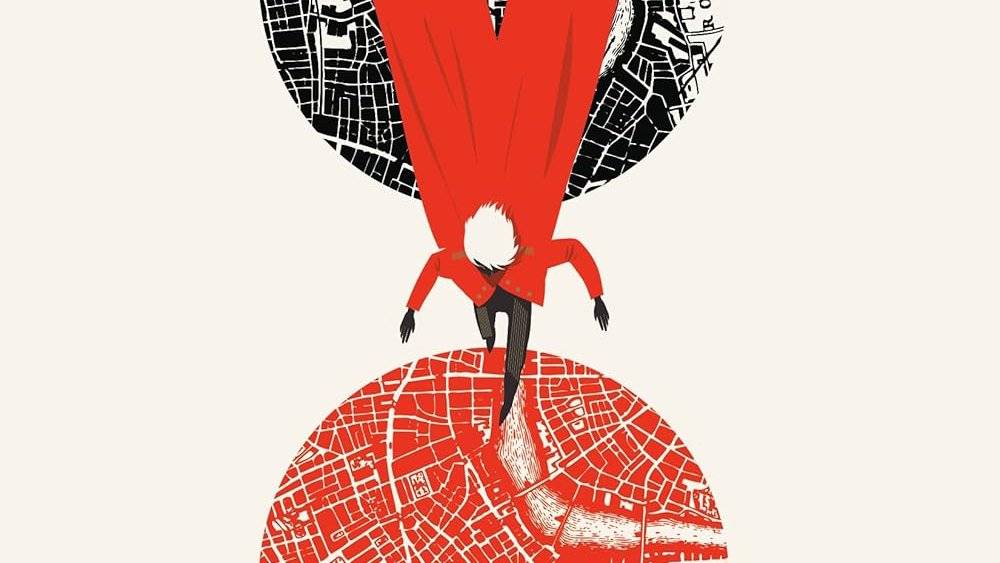
10 Dark Fantasy Books to Read If You Love The Witcher and Game of Thrones

Dark fantasy has ascended to the pinnacle of modern storytelling, bolstered by the monumental influence of George R.R. Martin’s A Song of Ice and Fire and Andrzej Sapkowski’s The Witcher. This subgenre—defined by morally ambiguous protagonists navigating unforgiving, perilous landscapes—boasts a wealth of literary treasures that have yet to be adapted for the screen, such as the gritty military realism of Glen Cook’s The Black Company and the sprawling complexity of Steven Erikson’s Malazan Book of the Fallen.
If you are yearning for tales woven with dark sorcery and monstrous threats, the last two decades have been particularly fertile. From standalone masterpieces that reimagine historical brutality to gripping sagas centered on resilient underdogs, these are the 10 most essential dark fantasy novels to add to your reading list.
Scott Lynch, The Lies of Locke Lamora (2006)
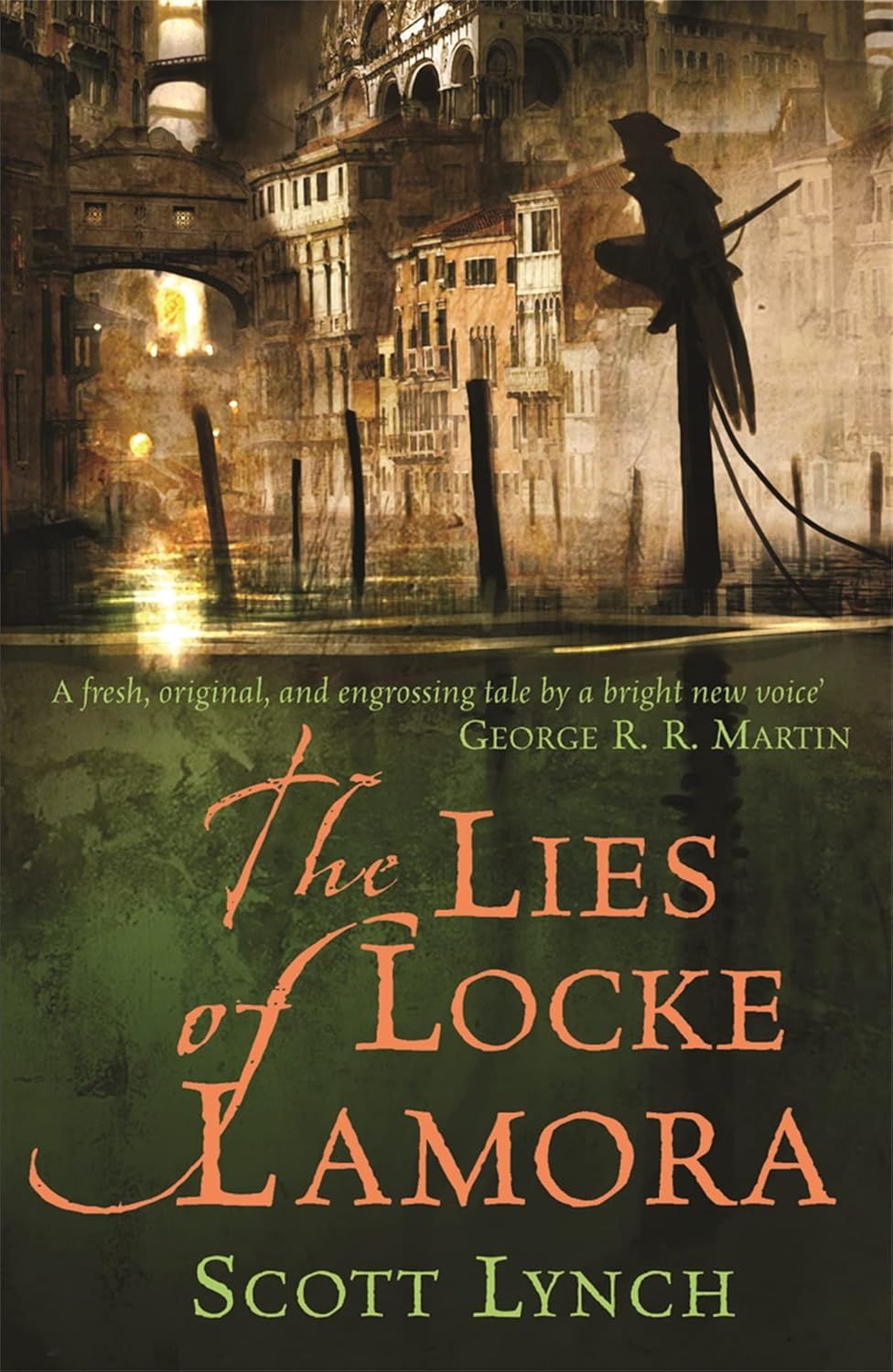 Image: Gollancz
A primary inspiration for the heist-centric tabletop RPG Blades in the Dark, this novel chronicles the exploits of a band of daring con artists operating in a fantasy reimagining of Venice. As they orchestrate an elaborate long con, they find themselves caught in the crosshairs of a ruthless criminal mastermind. Scott Lynch excels at building a multifaceted world brimming with competing factions. While the narrative is frequently acerbic and witty, the deep bonds between the characters make the story’s sudden, violent turns all the more devastating.
Joe Abercrombie, The Blade Itself (2006)
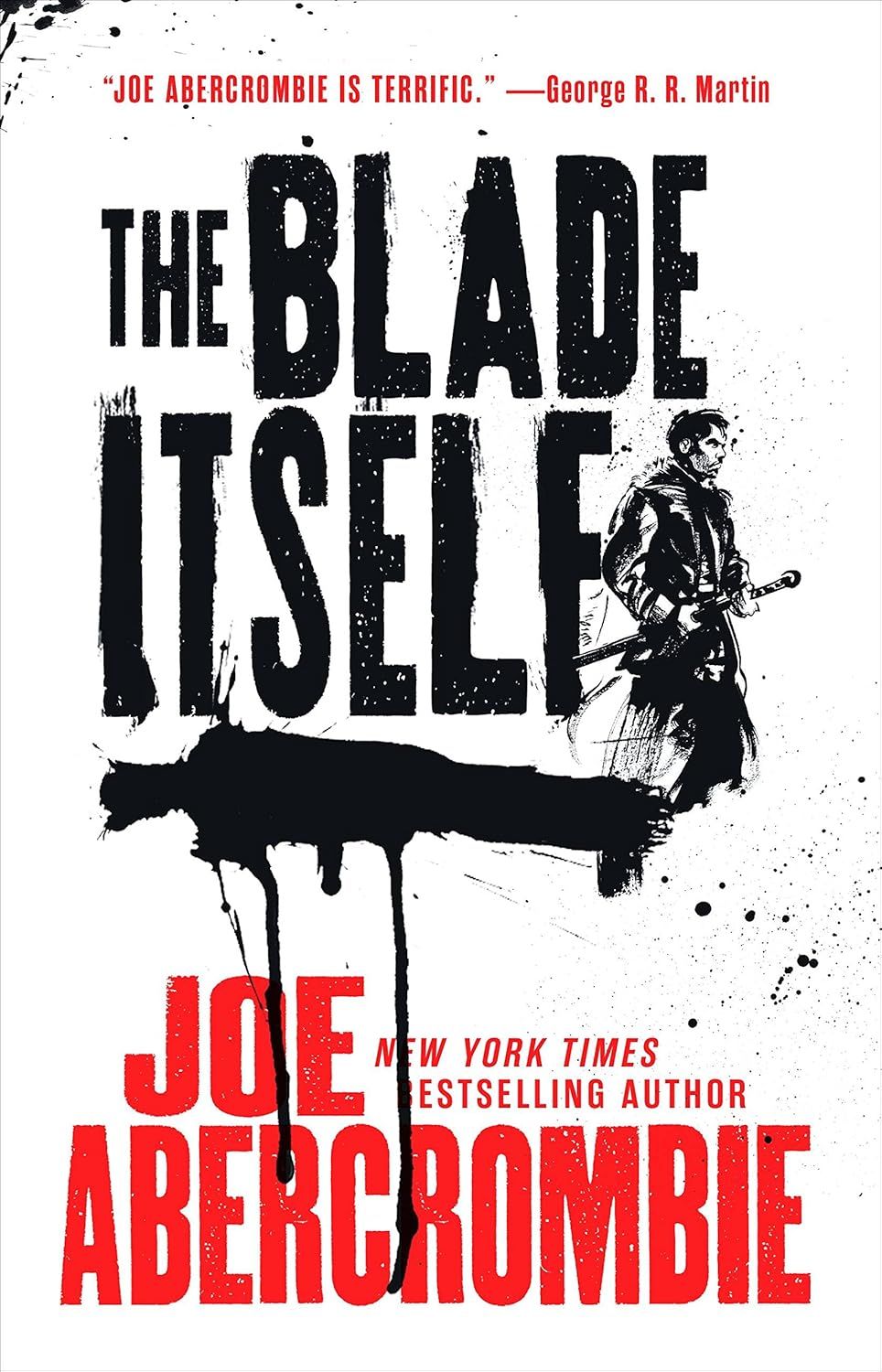 Image: Orbit
The dawn of The First Law trilogy cements Joe Abercrombie as a master of the grimdark aesthetic. Through the eyes of four distinct, morally complex narrators, readers are drawn into a world teetering on the edge of all-out war. It is an ideal pick for those who enjoy the political maneuvering of Game of Thrones, as each protagonist is driven by selfish ambitions and a biting sense of humor. This is an addictive read, perfect for those who enjoy peeling back layers of conspiracy and mystery.
James Islington, The Shadow of What Was Lost (2014)
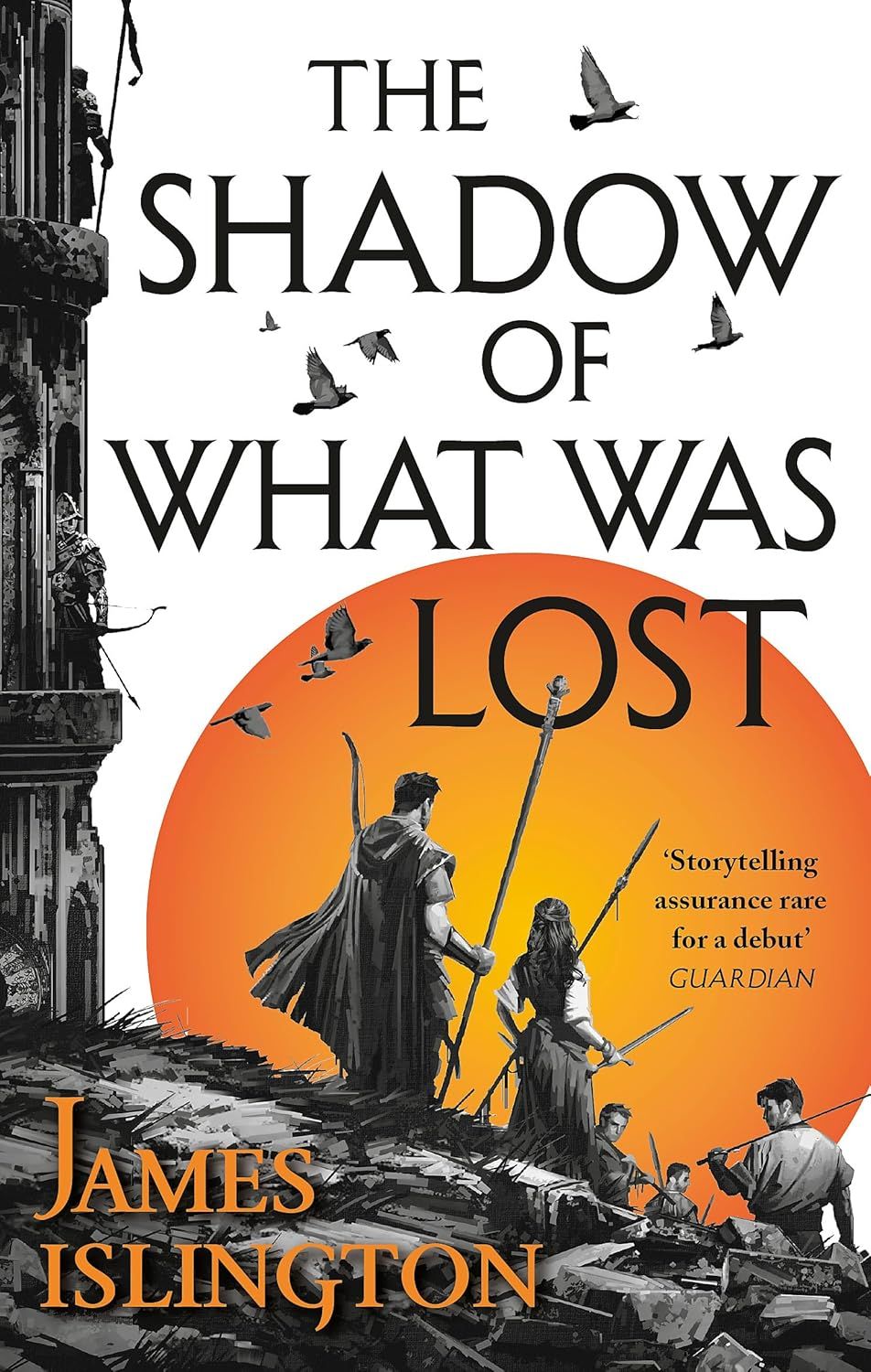 Image: Little, Brown Book Group
Initially self-published, The Licanius Trilogy opens in a realm still reeling from the scars of civil war. The plot follows a student at a prestigious magical academy who discovers he possesses a forbidden talent, forcing him into a desperate flight to thwart an impending monstrous invasion. While it adheres to classical fantasy tropes, Islington subverts them with a remarkably high stakes narrative and sudden, brutal shifts in the status quo.
Sabaa Tahir, An Ember in the Ashes (2015)
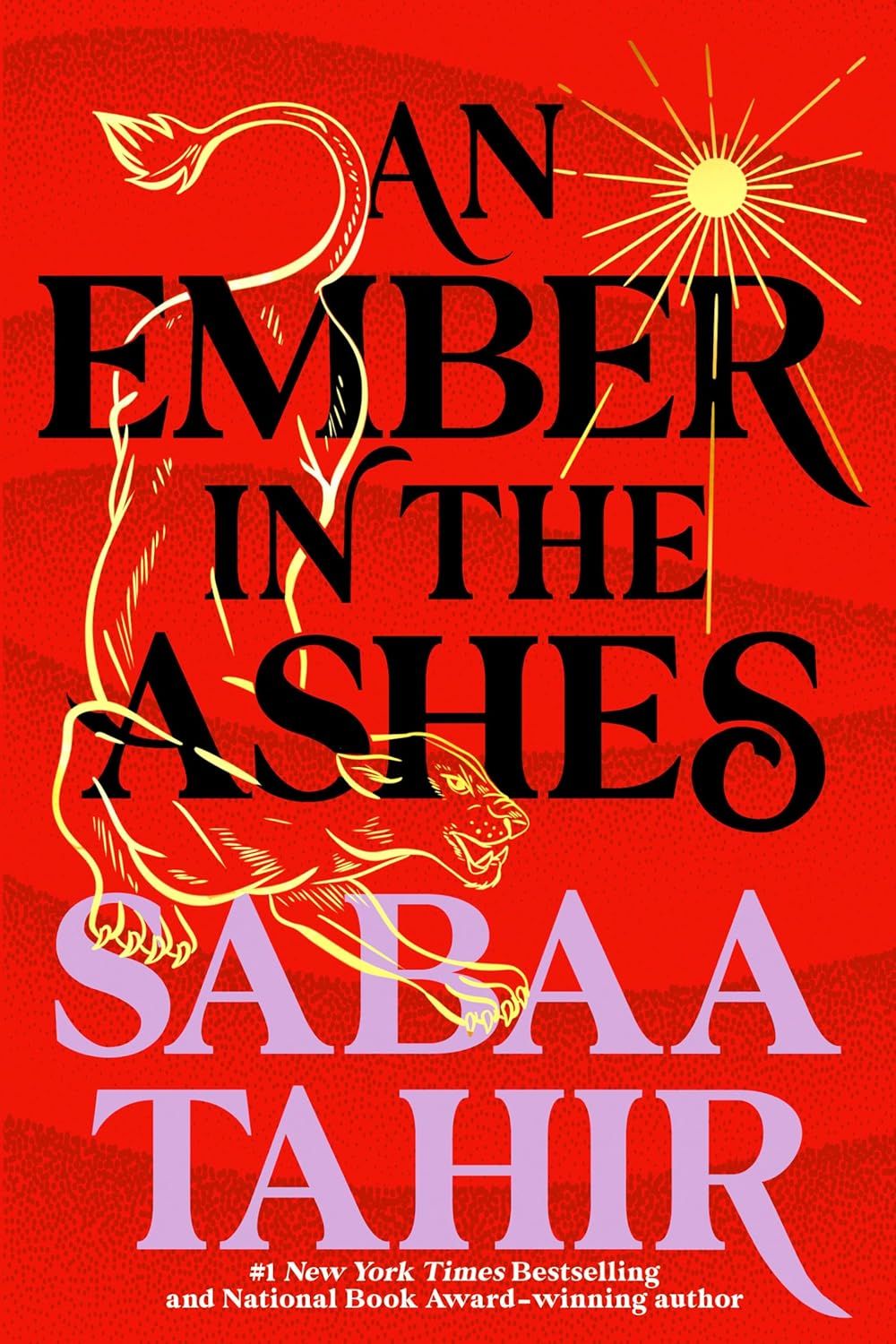 Image: G.P. Putnam’s Sons
Though categorized as young adult fiction, Sabaa Tahir’s series delivers a searing, unflinching fantasy reflection of Ancient Rome. Laia, a member of an oppressed minority, infiltrates a brutal military academy to rescue her brother, who has been framed for treason. The world is sparse on traditional magic but heavy on survival-based violence, highlighting the horrific choices individuals must make when trapped within a monstrous system.
V.E. Schwab, A Darker Shade of Magic (2015)
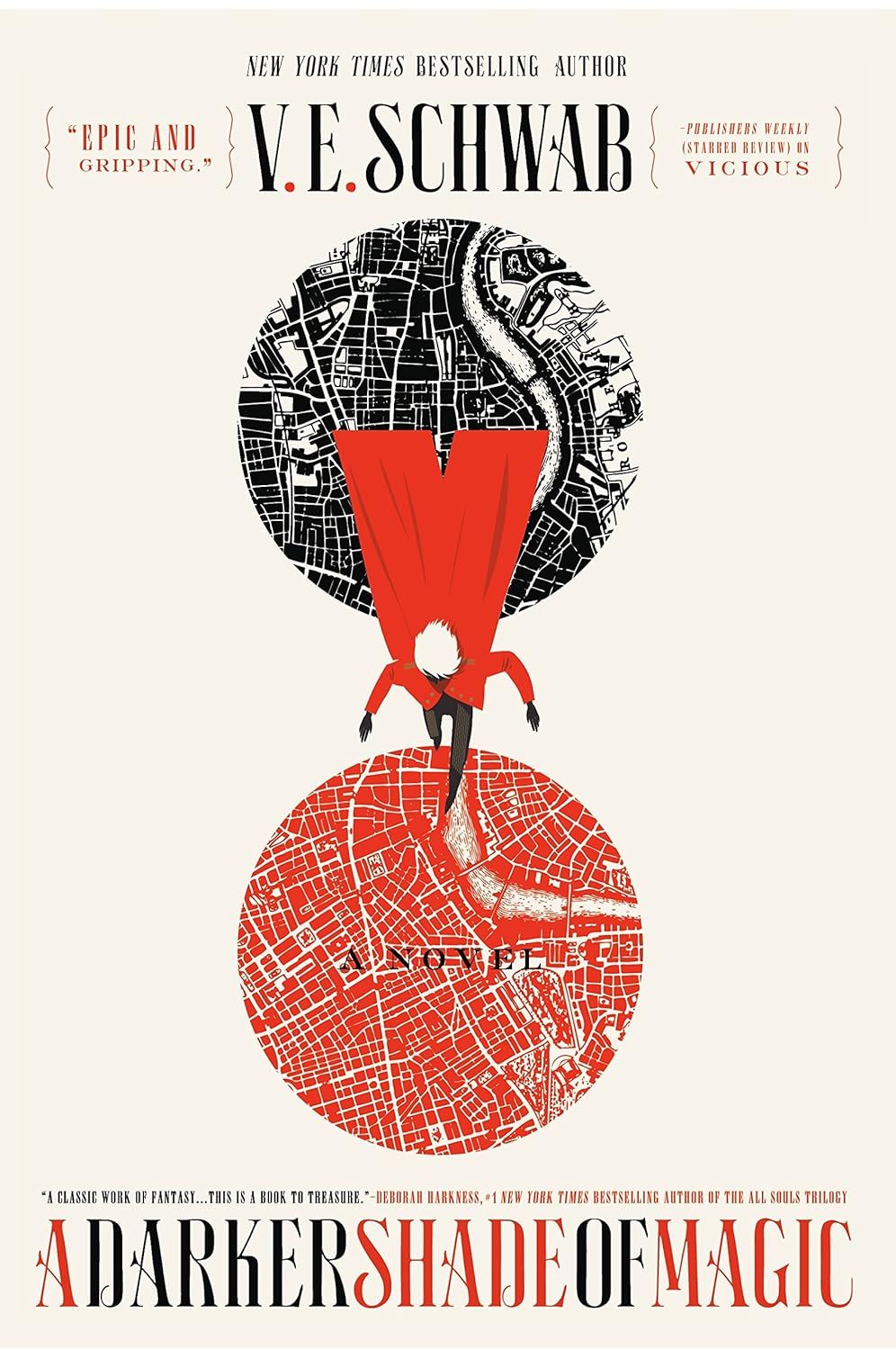 Image: Tor
Launching the celebrated Shades of Magic trilogy, this novel follows Kell, a rare magician capable of traveling between parallel versions of London. His life takes a perilous turn when he finds himself tasked with smuggling a dangerous artifact from a ruined reality. It is a taut, atmospheric story defined by dangerous ambitions and the high cost of playing with forces beyond one’s control.
N. K. Jemisin, The Fifth Season (2016)
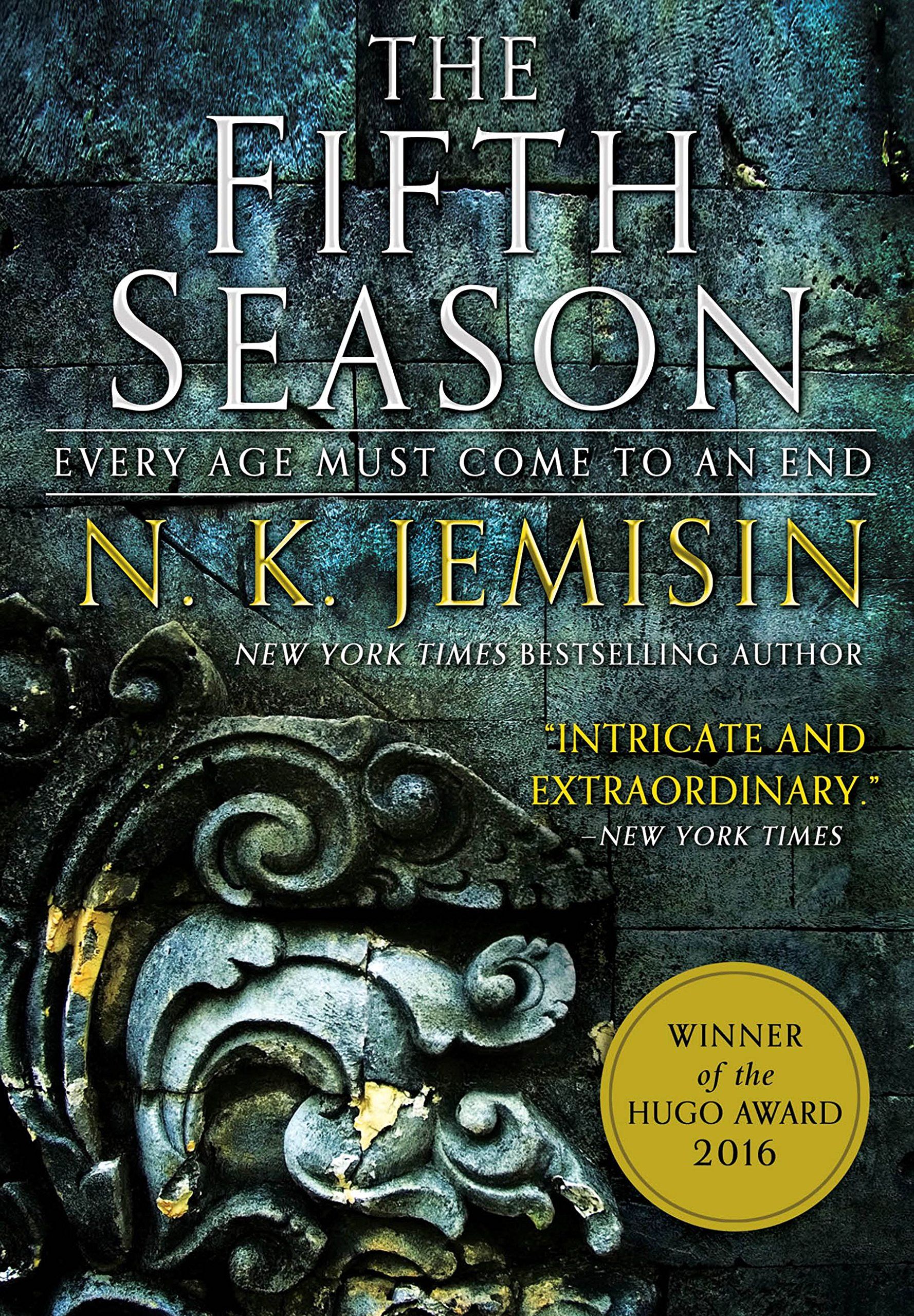 Image: Orbit
Jemisin’s Hugo Award-winning opener to the Broken Earth trilogy is as profound as it is bleak. The narrative explores a world plagued by environmental apocalypse and deep-seated systemic intolerance. Those capable of manipulating the earth are feared and persecuted, forced to choose between suppression and lethal rebellion. It is a masterclass in world-building that tackles complex themes of climate change and inherited trauma.
Naomi Novik, A Deadly Education (2020)
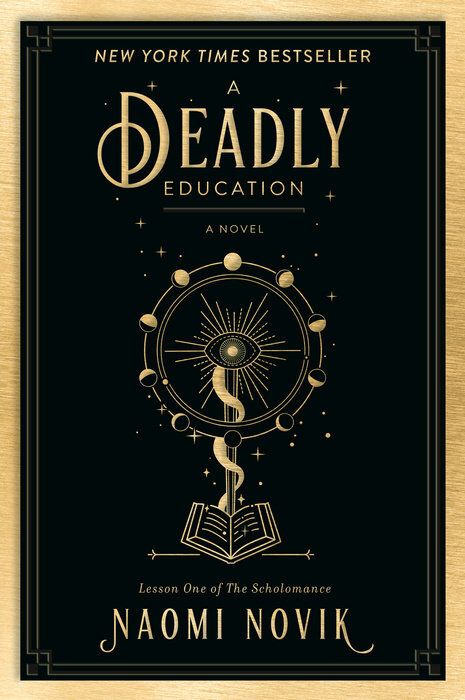 Image: Del Rey Books
Naomi Novik’s Scholomance series offers a much deadlier alternative to the traditional wizarding school trope. Here, students are confined within an infested fortress where graduation is rarely guaranteed. While the privileged utilize wealth and connections to survive, others must rely on resourcefulness and forbidden magic. El, the protagonist, finds herself in a precarious position, tasked with defying the very nature of a school designed to consume its pupils.
Christopher Buehlman, The Blacktongue Thief (2021)
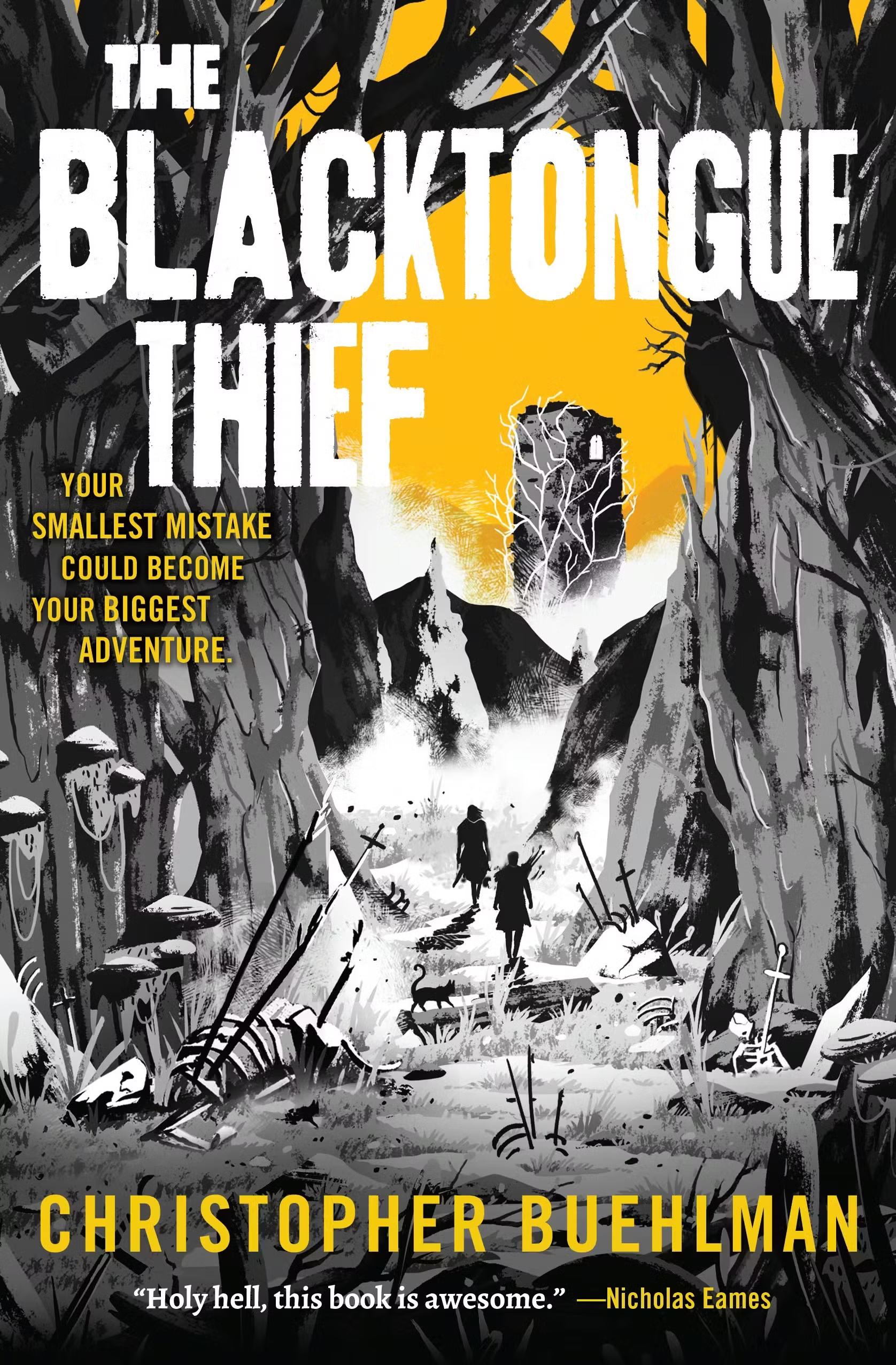 Image: Macmillan
A true virtuoso of both horror and dark fantasy, Christopher Buehlman delivers a chaotic and gritty adventure in The Blacktongue Thief. Set in a war-torn continent suffering under the yoke of goblin hordes, the story follows an indebted thief caught in a high-stakes quest alongside a knight who serves the personification of death. It is unpredictable, gruesome, and thoroughly entertaining.
R. F. Kuang, Babel, or the Necessity of Violence (2022)
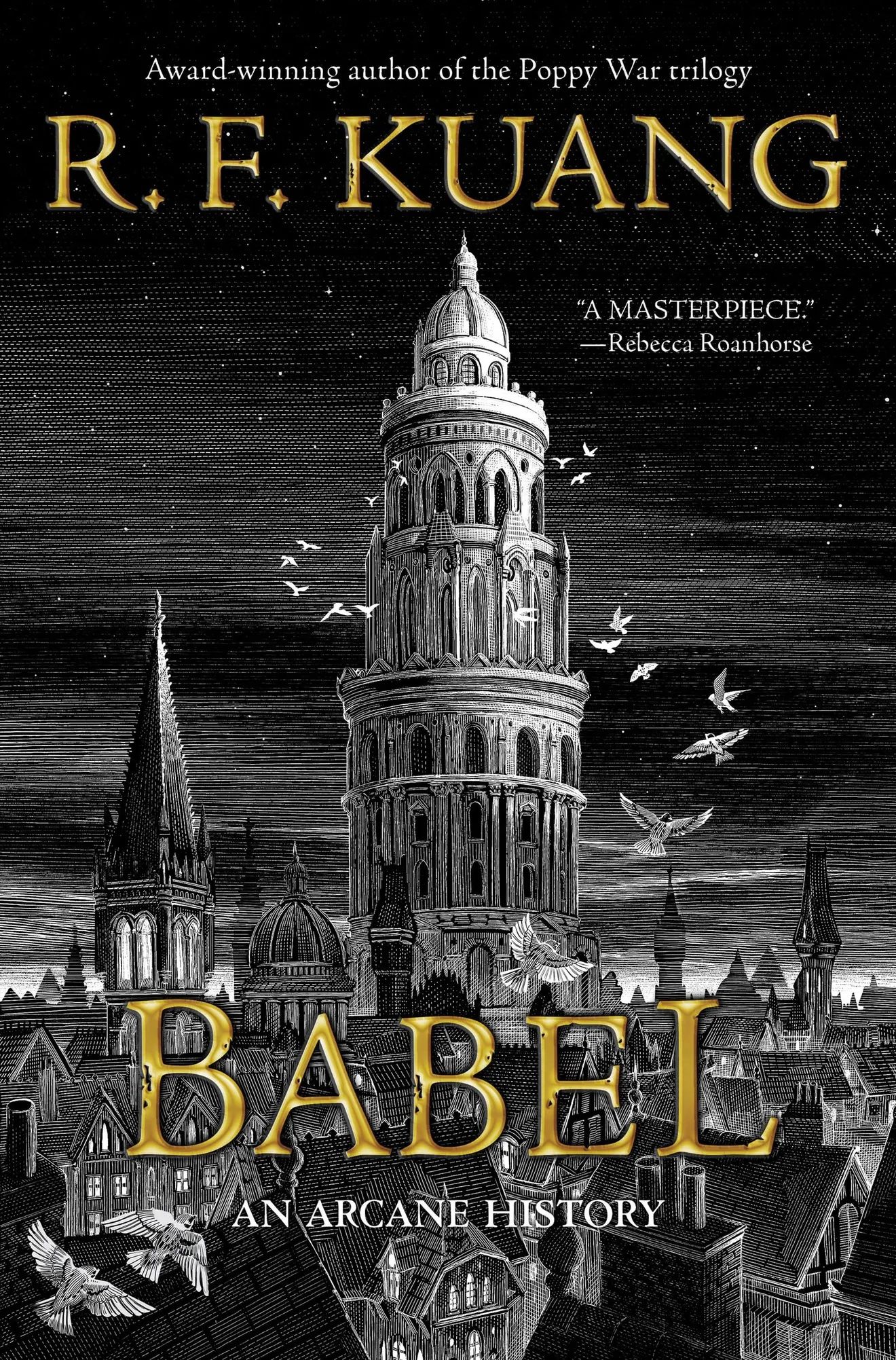 Image: Harper Voyager
This Nebula-winning novel is a cornerstone of the “dark academia” trend. Situated in an alternate 1830s Oxford, Babel examines the nexus of language, power, and colonialism. As students of translation harness the magical potential of words, they must ultimately determine if they will uphold an imperialist system or ignite a revolution to dismantle it.
Richard K. Morgan, No Man’s Land (2026)
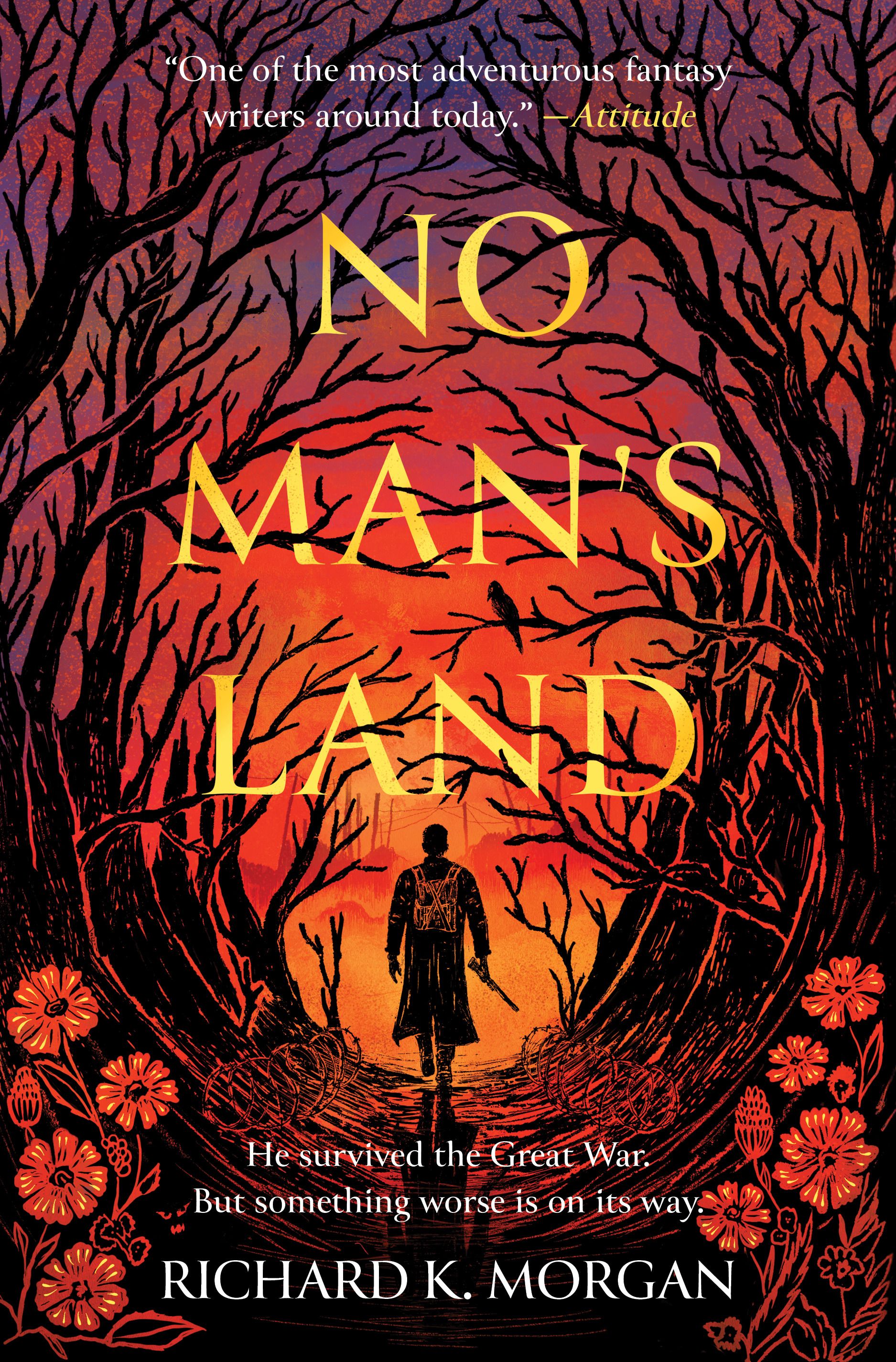 Image: Del Rey
Richard K. Morgan masterfully fuses noir sensibilities with dark fantasy in No Man’s Land. The narrative follows a weary World War I veteran hunting for children stolen by the Fae and replaced by changelings. With an eclectic group of allies—including witches and ancient spirits—the protagonist must confront both ethereal entities and the arrogance of men striving to reshape the world in their image.
Source: Polygon
Related articles
 CD Projekt RED Confirms Diablo IV and The Witcher 3 Collaboration
 Dispatch to Get Physical Release on Discs and Cartridges with Bonuses
 Developers Explain Why Marvel’s Wolverine Had to Be Rebuilt Almost from Scratch
 Sony Reveals Review Date for Marvel’s Wolverine
 Ananta gets release date and new trailer
 ASUS Announces $1,300 Price for ROG Xbox Ally X20
 Naval RPG Sea of Remnants set for early 2027 release, closed beta begins in December
 007 First Light Major Graphics Update Gets Release Date