
Why a West Marches Format for Critical Role Campaign 4 Finally Makes Sense

When the Critical Role team announced that Campaign 4 would adopt a West Marches framework, the news ignited significant anticipation among the community. While the prospect of a shifting roster felt like a bold departure, the early, narrative-dense episodes initially seemed at odds with the typical sandbox nature of the format. However, 17 chapters in, the brilliance behind this structural choice is becoming clear as the series masterfully exploits the unique strengths of a decentralized narrative.
Originally conceptualized by Ben Robbins—the visionary behind Microscope and Kingdom—the West Marches style was designed to combat the ultimate nemesis of any Game Master: the scheduling conflict. By utilizing a vast pool of participants and organizing sessions based on player availability, the world is allowed to evolve organically through the disparate choices of various groups. One week’s heroic rescue can become the following week’s political catastrophe, as different parties navigate the shifting landscape of a shared environment.
This methodology fosters a living world where players contribute to a collective history. By leaving trails of information or interacting with the setting outside of active sessions, the sandbox grows through a process of “communal discovery.” As Robbins noted, small clues discovered in isolation can eventually coalesce into major revelations, transforming minor details into the keys to profound world-building.
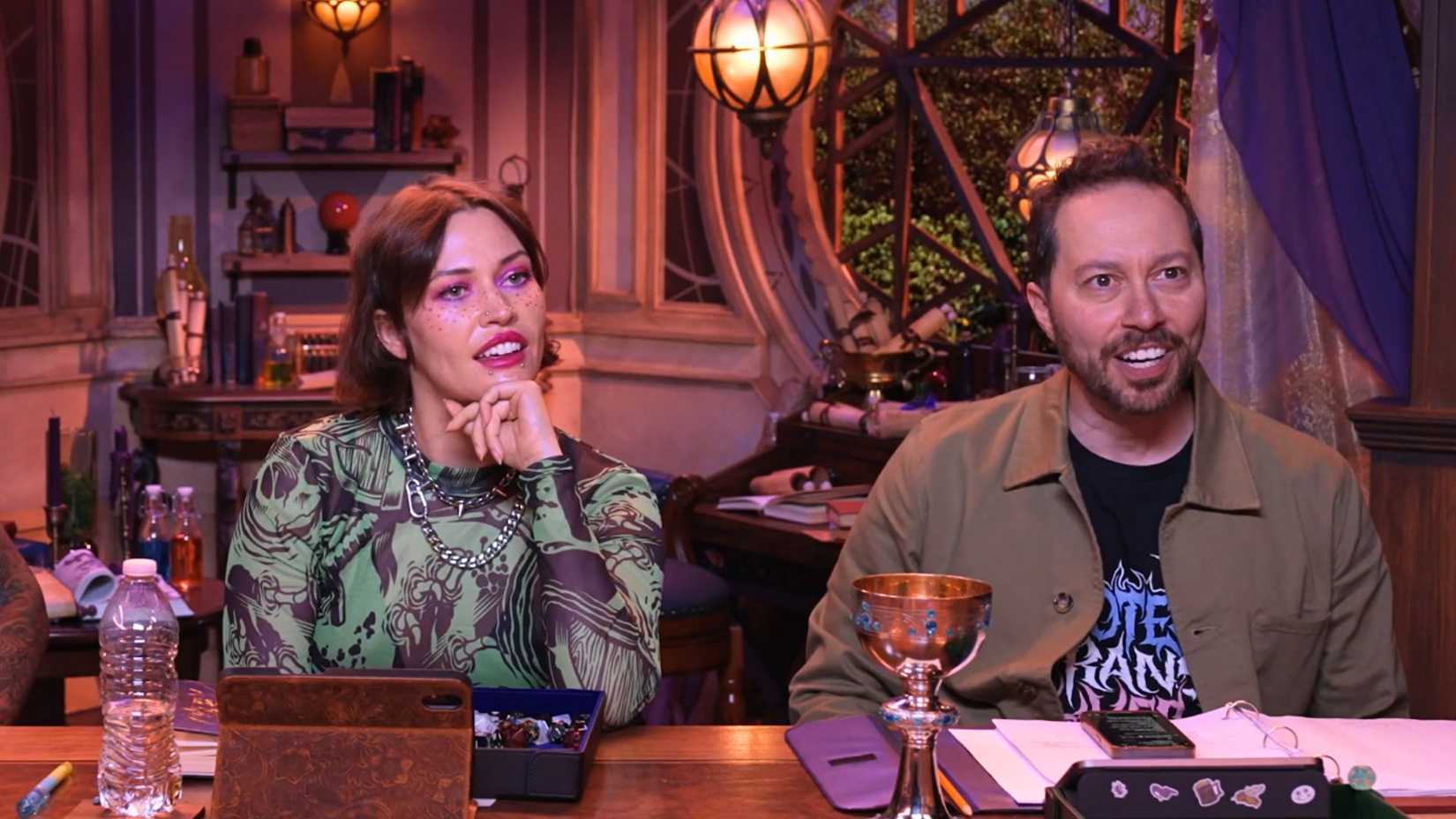 Image: Cooldown/Critical Role
Managing a massive ensemble of 13 players required a strategic approach from Dungeon Master Brennan Lee Mulligan. Following a four-part prologue, the cast was divided into three distinct operational units: the Soldiers, the Seekers, and the Schemers. While the rotating cast was the most obvious link to the West Marches style, the deeper connections between these groups are only now surfacing, proving that every decision carries weight across the entire campaign.
Evidence of this interconnectedness appeared in the 14th episode, “A Bridge Too Far.” The Seekers found themselves under siege due to events set in motion during the third episode, where members of the Soldiers table—Wicander Halovar (Sam Riegel) and Tyranny (Whitney Moore)—thwarted demonic tailors to rescue Teor Pridesire (Travis Willingham). The subsequent appearance of Tyranny’s vengeful sisters wasn’t a random encounter; as Mulligan later explained in Cooldown, it was the direct result of a tracking roll and the Soldiers’ previous choice to venture into the wilderness, which inadvertently diverted the demons toward the Seekers.
This web of consequences continues in “The Place of Wings,” where the true nature of House Halovar and the unethical experiments of House Tachonis come to light. We now know that the “filament” being smuggled is actually celestial blood—a powerful magical catalyst. However, a fascinating divide remains: while the audience sees the full picture, the Seekers possess knowledge that the Soldiers and Schemers lack, creating a layer of dramatic irony that fuels the show’s tension.
 Image: Critical Role
What makes these revelations so impactful is the specific nature of Aramán, where magic doesn’t function with the same ease as in Exandria. Without spells like Sending to bridge the gap instantly, information must be delivered through physical correspondence or face-to-face dialogue. This logistical barrier ensures that secrets stay secret for longer, heightening the stakes for every message sent and received.
This informational gap creates a palpable sense of unease for both the players and the viewers. We watch as the Schemer Halandil Fang (Liam O’Brien) operates a mole within House Einfasen, knowing full well that the operative may have already been discovered—a fact unknown to the other tables. Rather than causing frustration, this fragmented perspective highlights the genius of Critical Role’s adaptation of the West Marches model. It is a bold experiment in collaborative storytelling that continues to pay dividends as the campaign unfolds.
Source: Polygon
Related articles
 Modder Is Building Bully “Remake” in Unreal Engine 5 With NPCs Given Conscious AI and Speech
 GTA VI-Style Game in Development on Roblox, Players Surprised by Gameplay Footage
 Esports Player Faces Possible Prison Term Over Income From Counter-Strike 2 Virtual Item Sales After Tax Authority Questions
 Steam Next Fest Draws Player Complaints Over Number of AI-Generated Games in Demos
 Here’s a Recap of the October 2026 ID@Xbox Showcase
 Daft Punk Reportedly Turned Down GTA VI Involvement Despite Supposedly Unlimited Budget
 Cosplayers Recreate Elden Ring’s Miquella and Malenia in Matching Gold and Rot Looks
 Marvel Rivals Officially Brings Avengers: Endgame’s Final Fight to Life