
Today, we’re peeling back the curtain on the development process of Euro Truck Simulator 2 and American Truck Simulator to highlight a vital, often unseen engine room of our studio: UI/UX Quality Assurance. Join us as we explore how our team crafts intuitive, polished, and seamless interfaces that define your time behind the wheel.
To guide you through this process, we sat down with Petr and Jan from our UI/UX QA department. They’ll share a glimpse into their daily routine and reveal how they ensure every menu, icon, and interaction feels just right before it hits your monitor.
Petr – Console & UI/UX QA Lead
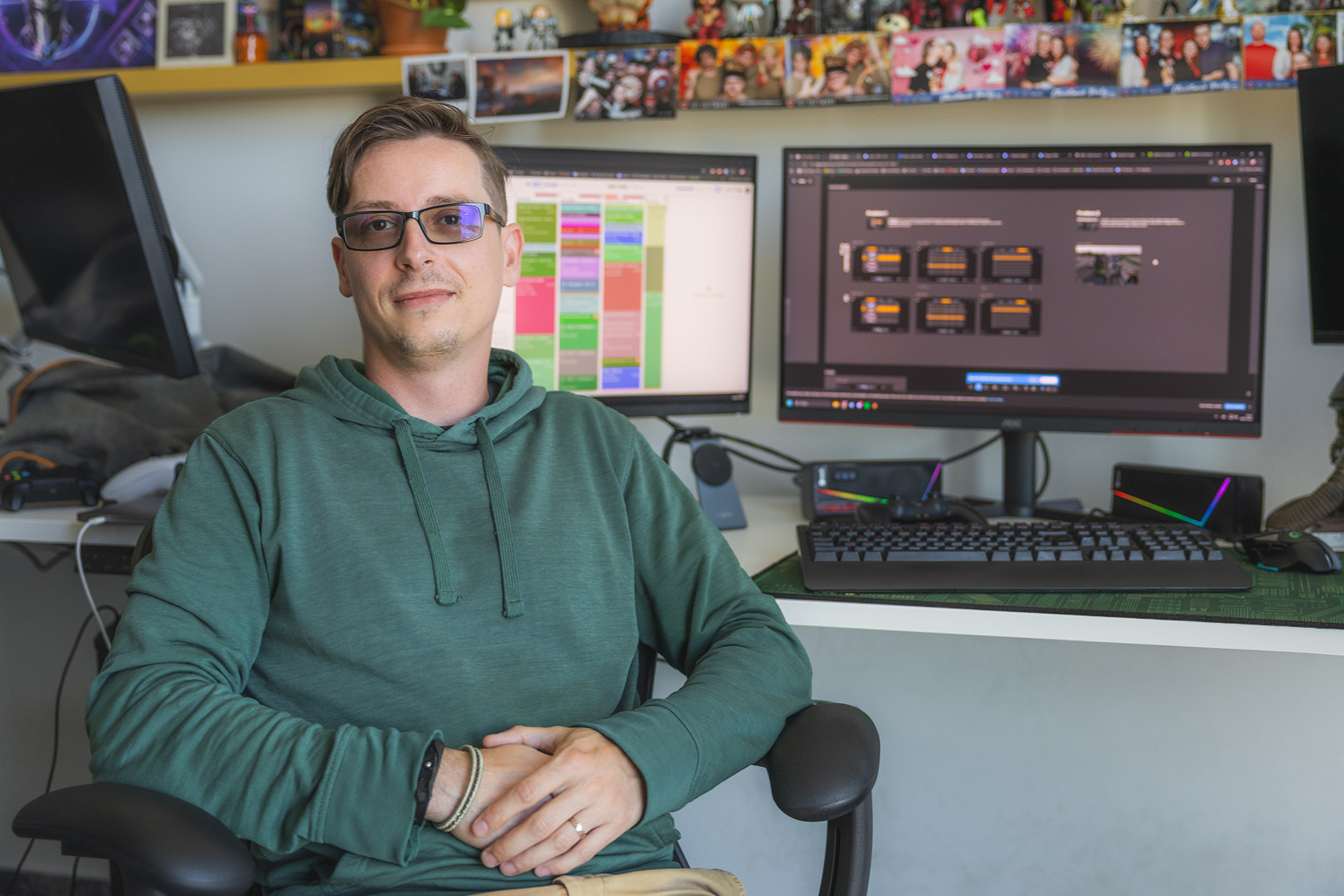
“Hello! I’m Petr, the lead for our Console and UI/UX QA efforts. I helped build these two specialized teams, which are now instrumental in ensuring that our games aren’t just functional, but genuinely enjoyable to navigate.
We oversee both Euro Truck Simulator 2 and American Truck Simulator across every platform, from PC and Steam Deck to VR, PlayStation, and Xbox Series X/S. Beyond our core titles, we also provide deep testing support for projects like Driving Academy, Coaches, and Road Trip.
My role is largely about strategic coordination, planning, and interpreting test data. I work closely with cross-functional teams to flag bugs and UX friction points early. My goal is to streamline our workflows, ensuring the team stays focused and effective without unnecessary pressure leading up to major patches or DLC launches.
I’m also an active tester—I believe that being ‘in the trenches’ with my team is a massive advantage. It helps me spot opportunities for growth and refinement. I strive to be a supportive mentor, maintaining a positive environment where everyone feels empowered to collaborate.”
Jan – Senior UI/UX Tester
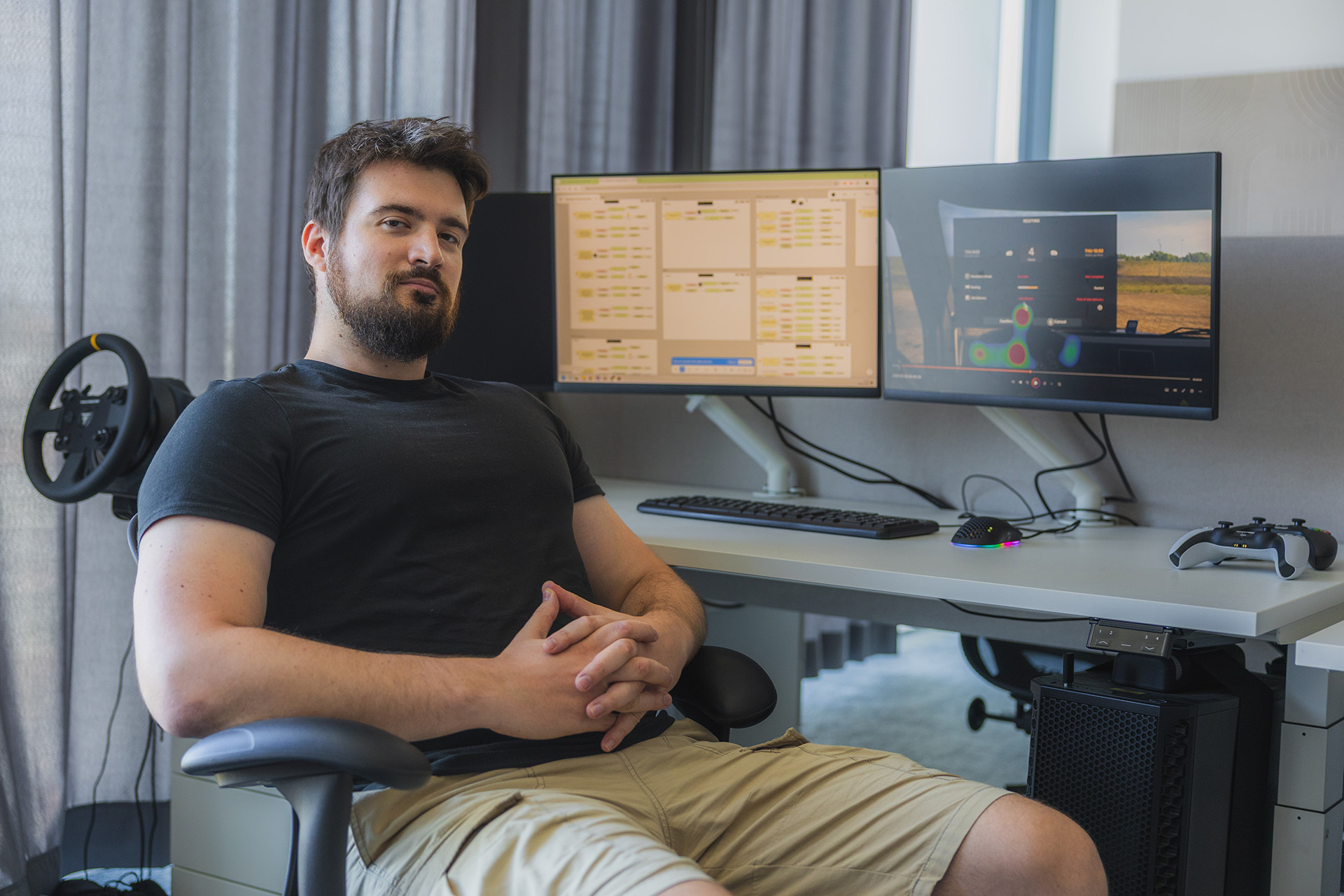
“I’m Jan, a Senior UI/UX Tester. I’ve been with SCS Software for two years now. I started as a Junior Tester, but after diving into our development lifecycle, I discovered a genuine passion for user experience. With Petr’s mentorship, I helped formalize our internal playtesting processes, which we continue to evolve today.”
The Anatomy of UI/UX QA
“Every new feature has a long road ahead of it before launch. UI/UX is integrated at every mile marker. Whether we’re implementing something brand new or refining an existing system, the process begins with an in-depth dialogue between QA and our Game Design department. We analyze current performance, identify potential pain points, and define a clear vision for the desired outcome. These objectives dictate all our future decisions.”
The Testing Lifecycle & Team Collaboration
“We aim to be involved from the very first spark of an idea. By reviewing early design documents, we can ask the hard questions: Is this button intuitive? Is the text legible on small screens? Have we considered accessibility?
Once we have a playable prototype, the real challenge begins: adopting a dual perspective. We have to maintain the technical ‘big picture’—knowing exactly how the mechanics fit together—while simultaneously shedding our expert knowledge to test the game as a newcomer. We simulate everyone from a seasoned veteran to someone picking up a simulator for the very first time. Since our audience is so diverse, the UI must remain approachable for everyone.
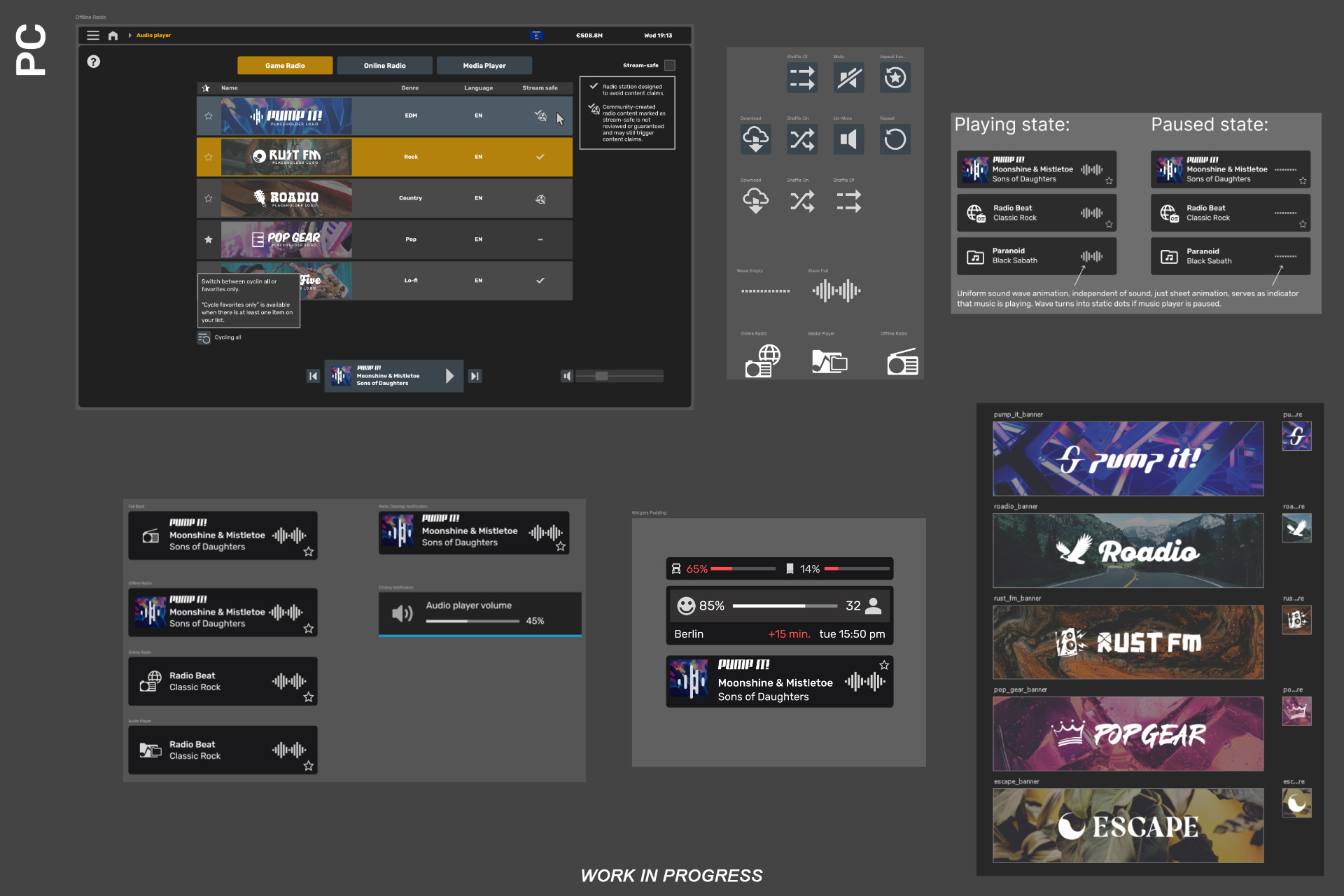
Internal Playtesting is our next major milestone. We pull in colleagues from across the studio who have never seen the design documents to get an unbiased take. Using eye-tracking hardware and task-based scenarios, we observe exactly where players look and where they might struggle. This helps us see if a design is confusing or if it adds unnecessary friction to the gameplay loop.
We then apply qualitative research methods—categorizing feedback and identifying patterns—to create a formal report. If the feedback indicates major systemic issues, we head back to the drawing board. A recent example of this was our overhaul of the ‘Skip Time’ and ‘Rest’ features. Initial testing showed the distinction between ‘Fatigue’ and ‘Mandatory Break’ was confusing, so we scrapped the original implementation and rebuilt it based on that feedback.”
Why We Love the Craft
Petr: “What do I enjoy most? It’s the opportunity to challenge the ‘tunnel vision’ that can sometimes occur in design. We act as the player’s voice within the studio. It’s incredibly rewarding to contribute ideas that make the game more accessible without sacrificing the depth our community loves.”
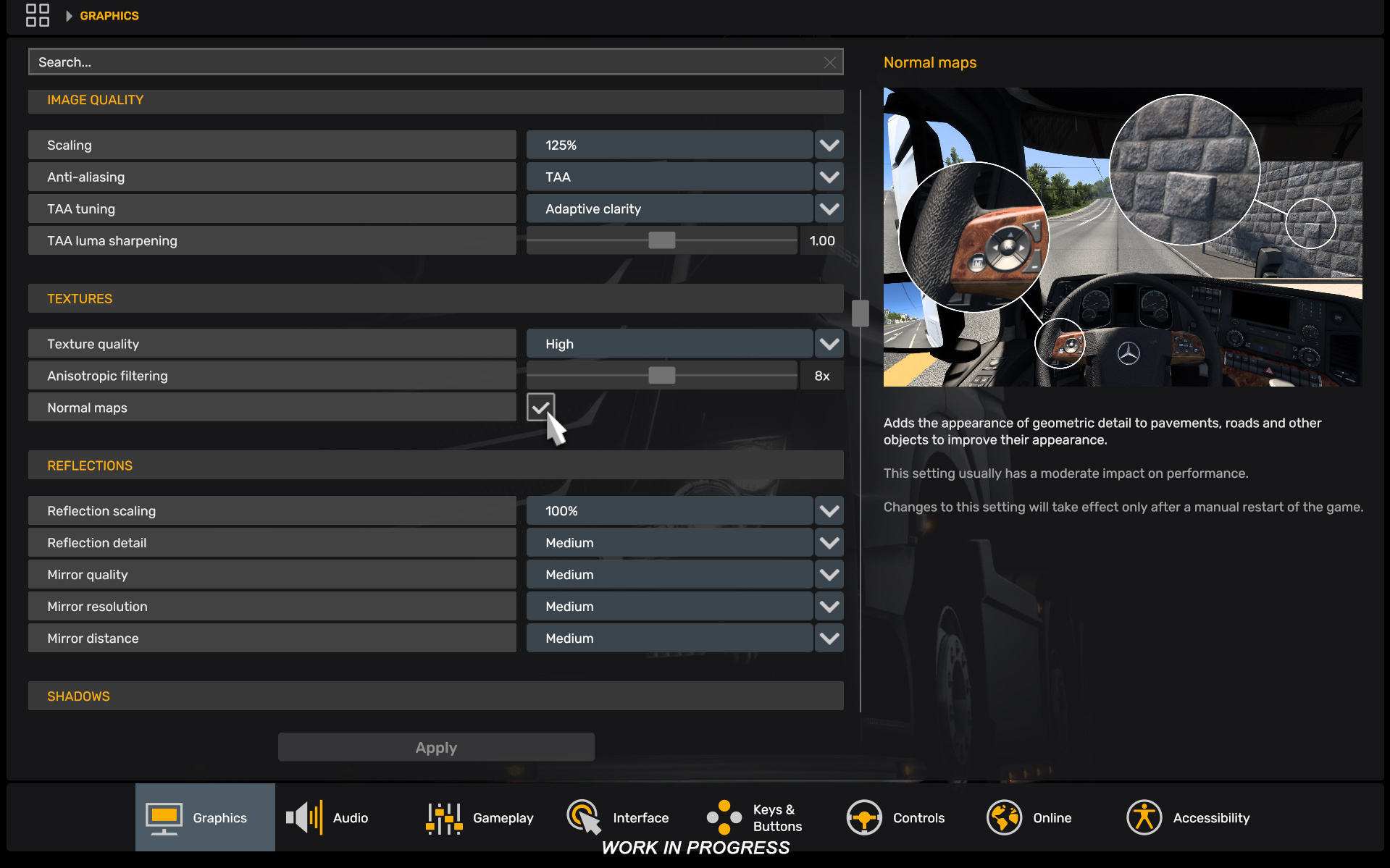
Jan: “I love the blend of technical and human elements. UX is ultimately about the dialogue between a human and a machine. My first project—implementing graphical feedback for visual settings—was a great example of this; it allowed me to combine my interest in technical systems with a player-focused design approach.”
A Note to Our Community
“Your feedback is our greatest source of inspiration. We read your comments, suggestions, and ideas across all channels—and that goes for the entire studio, not just our team. While we can’t implement every request due to engine limitations or technical constraints, please know your voice is always heard. It is your input that fuels our drive to keep these games evolving.
Thank you for being part of this journey with us. Let’s keep hitting the road together!”