
Toy Story 5 Makes a Miraculous Return to Pixar’s Golden Age

Exiting the theater after Toy Story 4 in 2019, I didn’t just feel disappointed—I felt legitimately betrayed. It felt like a violation of the promise Bonnie made to Andy in Toy Story 3, and seeing Woody abandon his loyal companions for a life with Bo Peep felt entirely out of character. I walked away convinced that Pixar had prioritized a commercial cash-grab over the integrity of a franchise that had already reached a perfect, poignant conclusion.
However, my experience with Toy Story 5 has been a complete reversal. While it may not reach the untouchable prestige of the original trilogy, it is an emotionally resonant, clever, and endearing chapter that successfully course-corrects the mistakes of its predecessor. The narrative is handled with such care that it has entirely shifted my outlook on the series’ future; for the first time, I am no longer apprehensive about seeing these characters continue their journey.
In this installment, a lonely eight-year-old Bonnie faces the common modern struggle of digital distraction when she receives a “Lilypad” tablet. As her attention shifts to technology, the toys find themselves sidelined, triggering a sense of displacement. Jessie, now the emotional anchor of the group, reaches out to Woody—who has been navigating the world as a “lost toy” dedicated to humanitarian missions for other playthings.
The decision to place Jessie at the forefront is a brilliant move. Beyond Woody, she is arguably the only character with the emotional depth to anchor a feature-length film. Director Andrew Stanton leans into this, crafting a flashback that mirrors the heart-wrenching “When Somebody Loved Me” sequence from Toy Story 2. In many ways, this movie feels like a true successor to that film, finally giving Jessie the catharsis her character arc has deserved for decades.
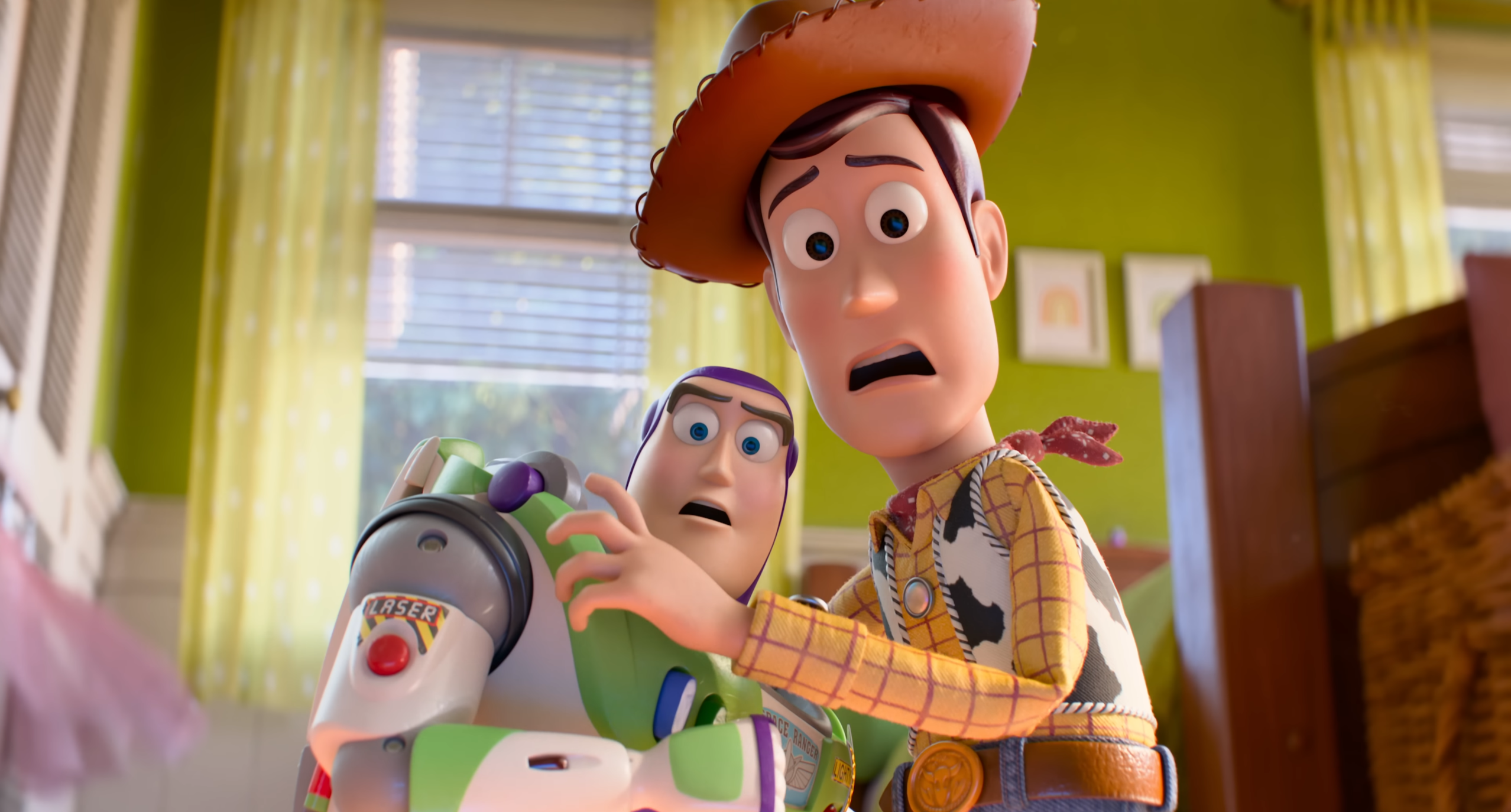
Image: Disney
Where Toy Story 4 framed Bonnie as an neglectful owner, this film offers a more sympathetic lens, portraying her as an imaginative child grappling with the isolating nature of screen time. It is a narrative that honors both the audience and the toys themselves.
Admittedly, the logistics of Woody’s “breakup” with the group being easily resolved by a walkie-talkie feels a bit convenient, potentially undermining the dramatic stakes of the previous film. However, since I deeply disliked that ending, I found the convenience incredibly refreshing. If undoing the disconnect between Woody and his friends is the price of a better story, I am perfectly happy to pay it.
My one lingering critique is the continued sidelining of the original crew, such as Slinky Dog and the Potato Heads. While they are fixtures of the series, they remain largely relegated to the background, serving as window dressing rather than active participants. Bullseye, fortunately, is the exception, receiving a significant narrative boost that highlights his loyalty to Jessie.
Ultimately, Toy Story 5 achieves something the last two films struggled with: it leaves the audience feeling uplifted. It doesn’t chase the forced, somber departures of the past; instead, it focuses on growth and reconnection. It has successfully restored my faith in the franchise, and I’m now genuinely excited to see where these beloved characters head next.
Source: Polygon
Related articles
 Amnesia and SOMA Developers Release 10-Minute Footage of Sci-Fi Horror Ontos
 Sony Introduces New Policy Following Harassment of PlayStation Employees
 11 Best Anime Series Produced by Studio MAPPA
 GTA 6 Reportedly Features System to Break Morality Mechanic Through Chaos
 Cyberpunk 2077 Phantom Liberty Sells 15 Million Copies
 Dataminer Finds Dead Space Crossover in Battlefield 6 Files
 First Gameplay Footage of Neo Berlin 2087 Released
 Stellar Blade: Blood Rain Criticized by Players as Developers Acknowledge Errors