
Tina Romero on Bringing Queer Messaging to a Zombie Movie: “I Can’t Be My Father’s Child Without Speaking Out”

At first glance, Queens of the Dead reads like a loud, queer horror-comedy about club kids and misfits surviving a zombie outbreak — but beneath the glitter and gore it carries a pointed political core. Director Tina Romero, daughter of genre pioneer George A. Romero, intentionally builds on the family legacy of socially charged zombie metaphors while stamping the material with her own, contemporary perspective. She has said as much in interviews.
George A. Romero’s films are famous for wielding the undead as social critique. His 1968 breakthrough, Night of the Living Dead, uses the apocalypse to expose entrenched racial, class, and gender tensions: Ben (Duane Jones) emerges as a capable leader yet still falls victim to racialized violence at the hands of white rescuers. Later entries, especially the 2005 Land of the Dead, amplify a critique of rampant consumerism and spectacle — showing how commodification and class divides can doom societies even in collapse.
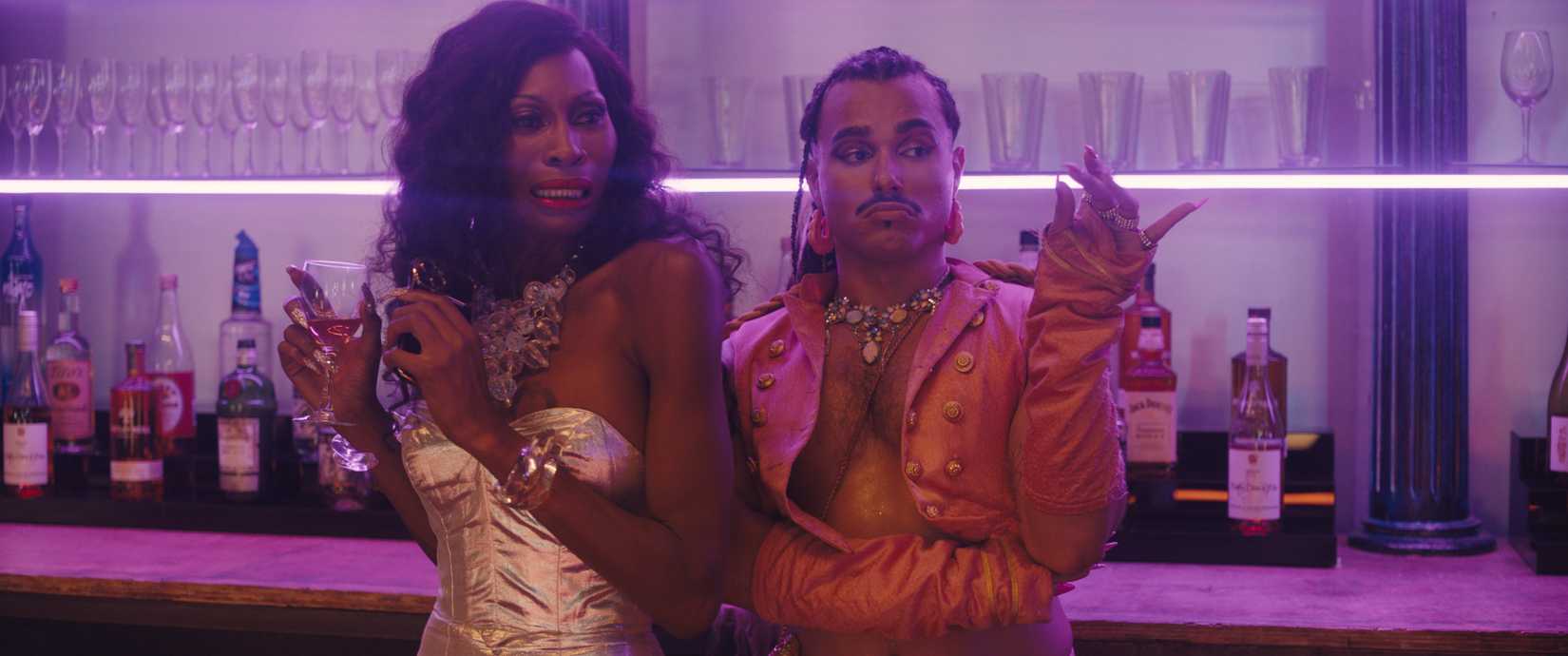
Speaking over Zoom, Romero explained that Queens of the Dead — her feature directing debut — was born from lived experience in New York’s queer nightlife. While DJing and promoting, she remembers seeing an online question that lingered with her: when will the queer community stop consuming itself? That provocation became the seed for a script she developed over a decade. The film, she says, is less a critique of society at large than a look inward at the fractures and rivalries within queer scenes.
Tonally, Tina’s movie diverges from her father’s work: it’s louder, more comedic, and steeped in club culture’s flamboyance. But with co-writer Erin Judge she prioritized character and social observation over gags. The pair sketched a “whiteboard” of themes to interrogate — the opioid crisis, compulsive device use, infighting within marginalized communities, and the overload of information in emergencies — and built the story from those concerns.
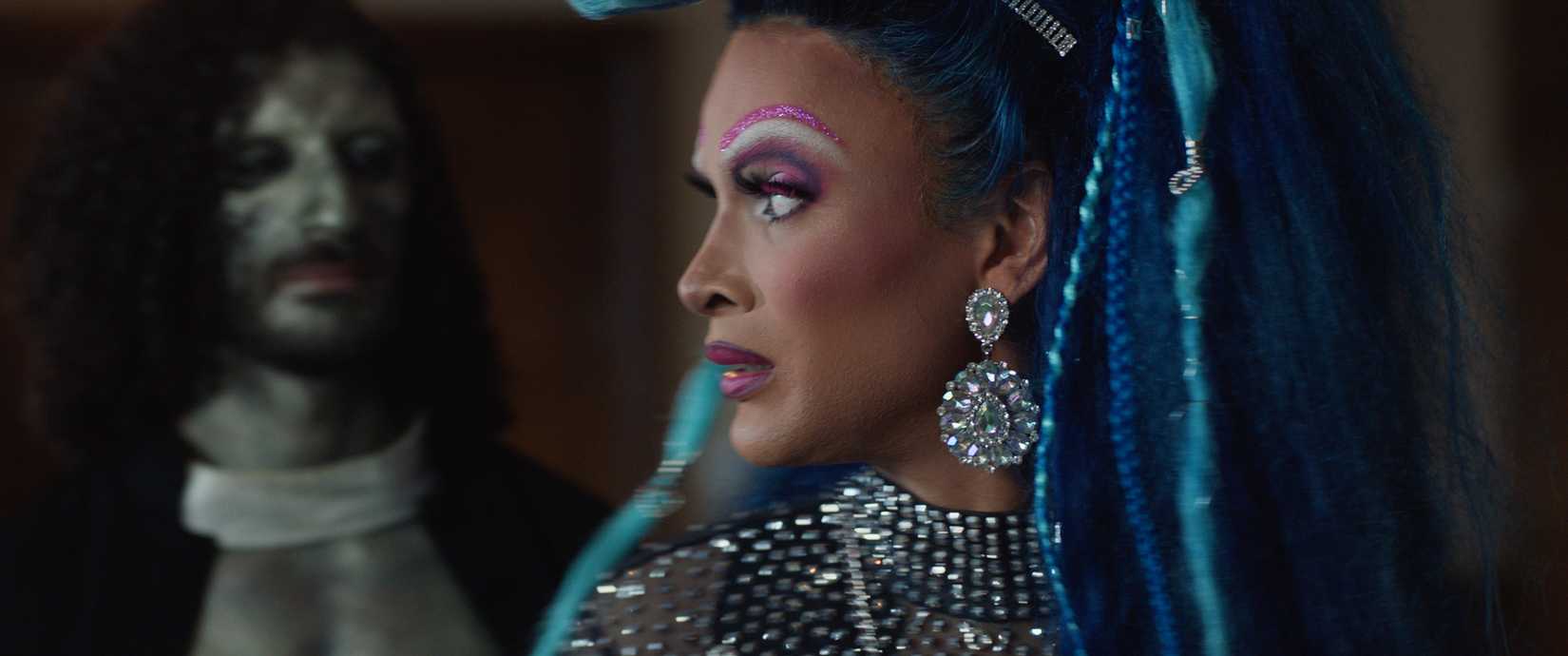
The ensemble highlights identity and internal conflict. Sam (Jaquel Spivey), a nurse with a drag past, wrestles with the gulf between who he was onstage and who he thinks he should be off it. Dre (Katy O’Brian), by contrast, inhabits her identity with confidence and sometimes fails to grasp Sam’s nuance. Those interpersonal tensions intensify when the club’s headliner, Yasmine (Dominique Jackson), bails on a show to take a better-paying corporate gig.
Yasmine accepts a slot at a branded event called Glitter Bitch — a showcase for Yum, a glossy new club that trades the DIY spirit of Dre’s venue for polished, corporate-friendly aesthetics and deeper pockets. When the zombies arrive, Yasmine’s choice becomes a moral fault line: survivors sheltering in Dre’s club question whether someone who chose money over community can be relied on in a survival crisis.
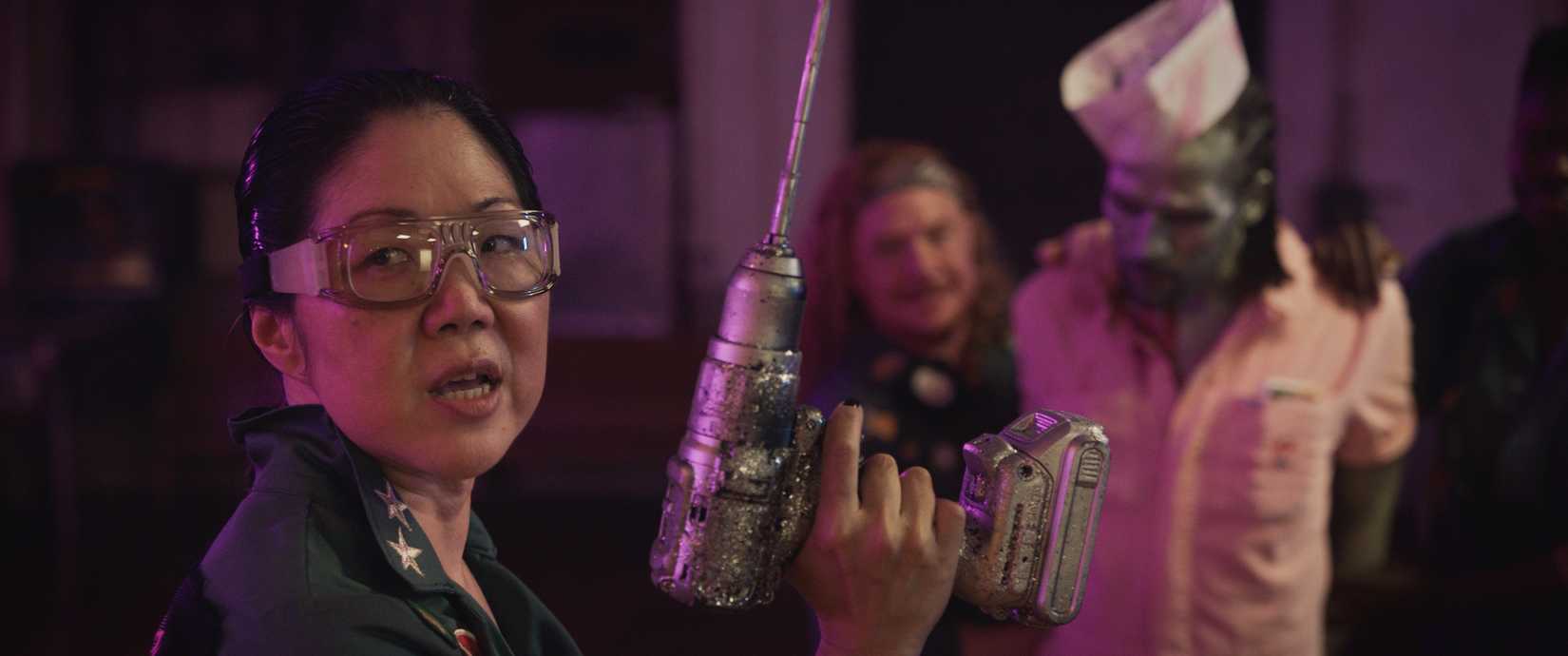
Romero draws this tension from firsthand observation. She contrasts branded, well-funded events — sterile, smartphone-occupied gatherings that feel lifeless despite their budgets — with grassroots queer nights that run on passion, improvisation, and human connection. She recognizes, however, that authenticity doesn’t always pay the bills: the lure of stable income and exposure drives performers to sell out, even when that undermines the communities that raised them.
That dynamic — the tradeoff between money and belonging — is central to Romero’s idea of a community “devouring its own.” Yet the film ultimately steers toward hope. Where George A. Romero’s zombies often reveal society’s inability to overcome prejudice, Queens of the Dead uses the undead to catalyze repair: in crisis, the fractured queer ensemble rediscovers mutual dependence and solidarity, a historically proven source of survival and resilience. History is full of examples of marginalized people relying on one another to endure and thrive.
Despite tonal differences, both Tina Romero’s work and her father’s share a commitment to injecting provocative, socially conscious ideas into horror. As she candidly admits, she can’t entirely escape her lineage — and she isn’t trying to: the film is part entertainment, part manifesto.
Queens of the Dead is playing in theaters now.
Source: Polygon
Related articles
 Robert Pattinson Responds to Chris Hansen’s Complaints About the Movie “Primetime”
 Ryan Reynolds’ “Mayday” receives positive reviews from critics
 Michael Keaton to Direct Western Starring Morgan Freeman
 “Daddy’s Daughters” wedding sequel to be released in 2027
 Halle Berry and Colin Firth to Star in New Rom-Com
 Netflix Begins Filming New Dan Brown Adaptation
 Spider-Noir series canceled after first season
 Actors cast as Dobby and Tom Riddle for Harry Potter season two