
This Bleach Sword Has Been Proven the Most Powerful Weapon in Anime History
“I am Zangetsu.”
For years, this chilling assertion in Tite Kubo’s Bleach felt less like an introduction and more like a predatory ultimatum. Emerging from the shadowed depths of Ichigo Kurosaki’s consciousness, the voice within his blade sounded intrusive, almost parasitic—an alien presence vying for control of his soul. Yet, as the narrative unfolds, this haunting declaration undergoes a profound metamorphosis. What initially seemed to be the snarling of a monster eventually reveals itself as the most authentic, vulnerable distillation of Ichigo’s true self.
This emotional pivot is precisely what elevates Zangetsu from a mere weapon to a compelling narrative device. Far beyond its visual spectacle and iconic combat prowess, Zangetsu serves as a mirror, evolving in lockstep with Ichigo’s journey toward self-actualization. It is a vessel that refracts every fractured, contradictory facet of his identity.
Bleach is defined by its legendary armaments. These blades are inextricably woven into the series’ foundation, acting as conduits for world-building, seismic plot shifts, and character evolution. As Zanpakuto, these weapons are physical incarnations of a Soul Reaper’s internal landscape, bridging the gap between raw spiritual might and the psyche.
Zangetsu’s shape shifts in tandem with Ichigo’s evolving self-perception. Its initial, unwieldy form—a gargantuan cleaver—perfectly mirrored Ichigo’s unrefined spiritual potential and his nascent grasp on his own nature. Later, the sleek, compressed power of Tensa Zangetsu signified a shift toward discipline and focus, though it couldn’t fully mask the volatile unrest simmering beneath. The emergence of the Hollow mask and the entity known as White Ichigo were never mere obstacles; they were necessary components of his evolution, representing the primal instincts and aggression that Ichigo desperately tried to repress.
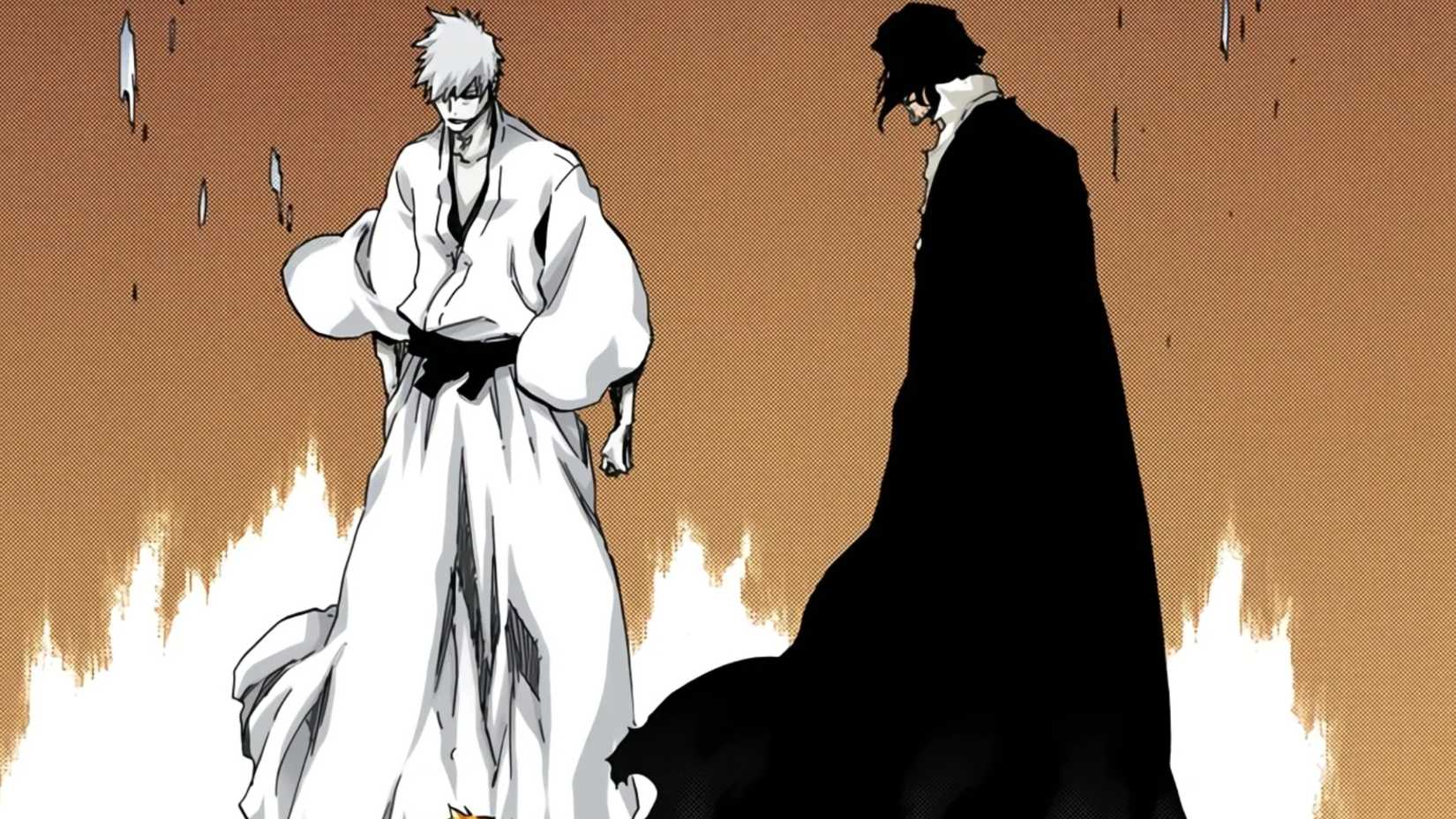
This structural evolution is fundamental to the blade. Like all Zanpakuto, Zangetsu possesses a humanoid spirit, yet Ichigo’s sword is uniquely bifurcated. It hosts two distinct identities that symbolize the fragmentation Ichigo refused to confront: the ruthless, Hollow-infused White Ichigo and the stoic “Old Man” Zangetsu, a guardian representing Ichigo’s inherited Quincy heritage.
The friction between these two personas serves as the thematic heart of Bleach. Over the course of hundreds of chapters, Kubo masterfully articulates Ichigo’s internal discord. On one hand, the Old Man provides guidance, fostering a misplaced sense of security; on the other, White Ichigo acts as a chaotic, aggressive mirror, constantly mocking Ichigo’s vacillation and threatening to consume him entirely.
This struggle reaches a crescendo in Bleach: Thousand-Year Blood War. The revelation that the “monster” Ichigo feared was actually the core of his Soul Reaper potential—and that his trusted mentor was actively stifling that truth—transforms the narrative entirely. The phrase “I am Zangetsu” ceases to be an invasive threat; it becomes a poignant confession. White was honest from the start; it was Ichigo who lacked the clarity to acknowledge his own dual nature.
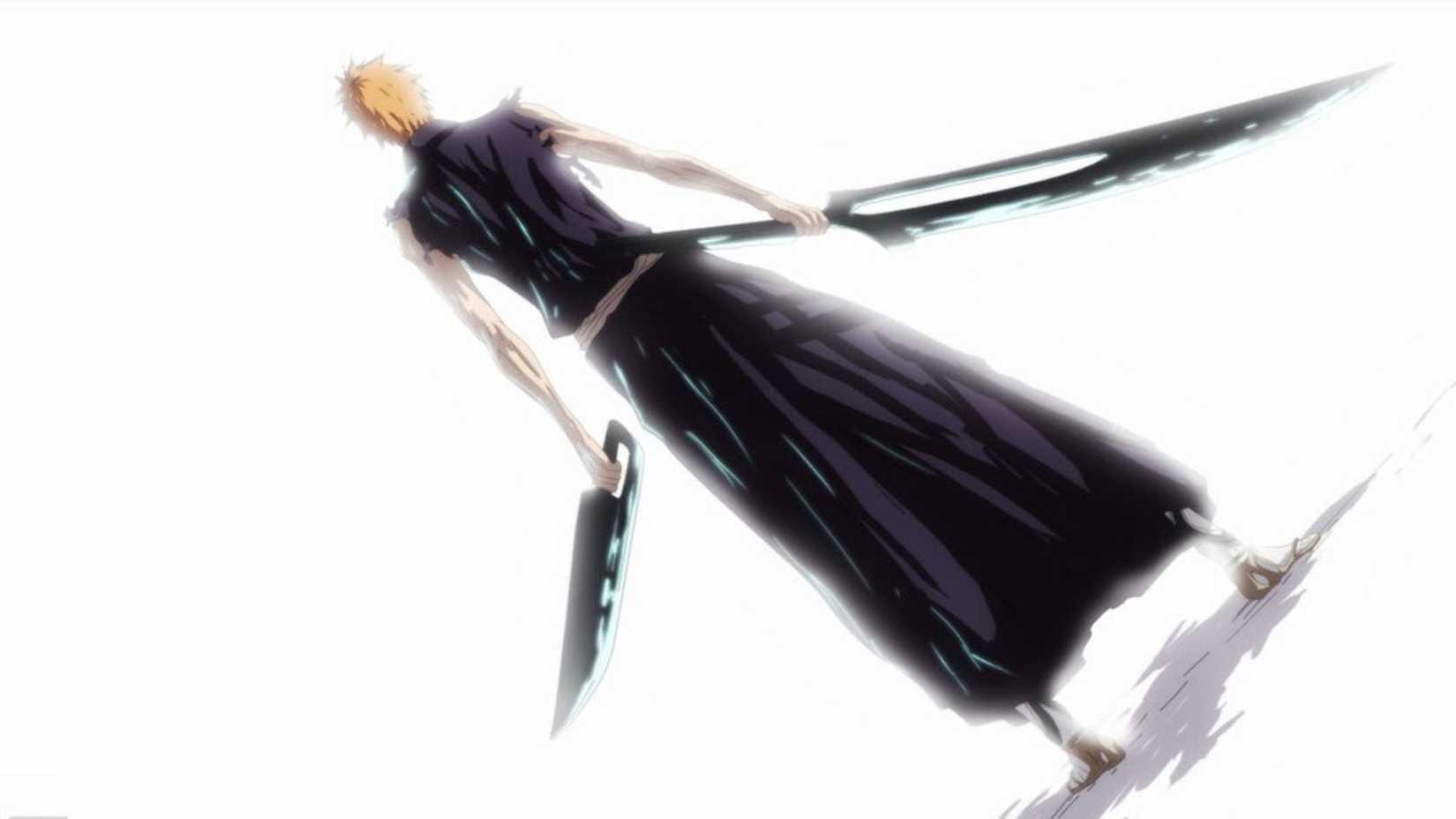
For most of his journey, Ichigo chased a binary ideal, attempting to compartmentalize his existence into “hero” and “monster,” “protector” and “brute.” He sought power without the accompanying instinct, and peace without accepting his inherent capacity for rage. Even Zangetsu’s shifting forms were visual manifestations of this internal turbulence.
Ultimately, Bleach posits that Ichigo requires the integration of these opposing forces to ascend to his true potential. The emergence of dual blades is not just a structural change or a lore revelation; it is physical evidence that Ichigo has finally ceased his internal war, choosing instead to harmonize the disparate parts of his spirit. He no longer rejects his Hollow nature to favor his humanity; he embraces the synthesis of both.
Subscribe for more deep anime weapon and character analysis
Source: Polygon
Related articles
 Minecraft to Receive Wilderness Bound Update Featuring New Biome and Single-Use Bed
 Saber Interactive Will Not Change Communications Policy After AI Controversy
 Fans Nearly Finish Multi-Year Community Project Recreating GTA VI Map
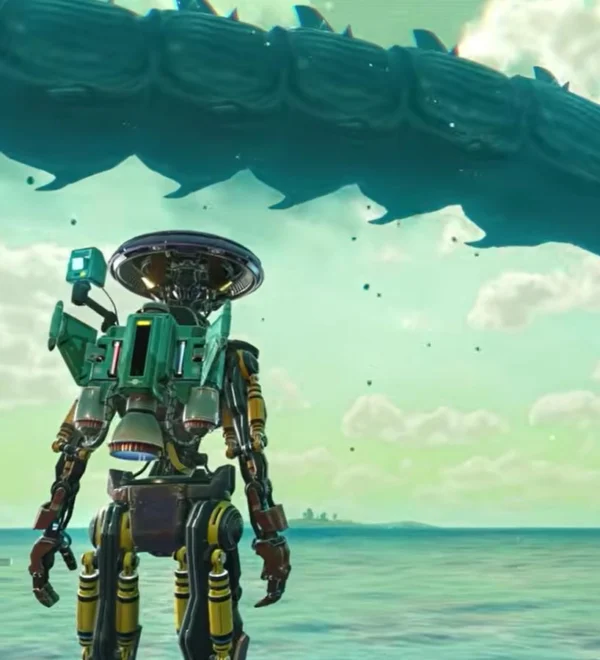 Modder Adds DLSS 5 to No Man’s Sky While Developer Expresses Visual Concerns
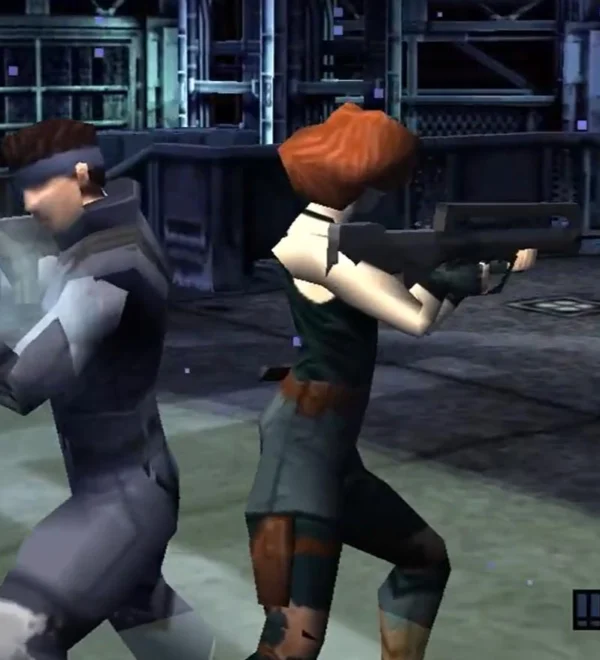 Modder Releases Alpha Trailer for Cooperative Modification of Classic Metal Gear Solid
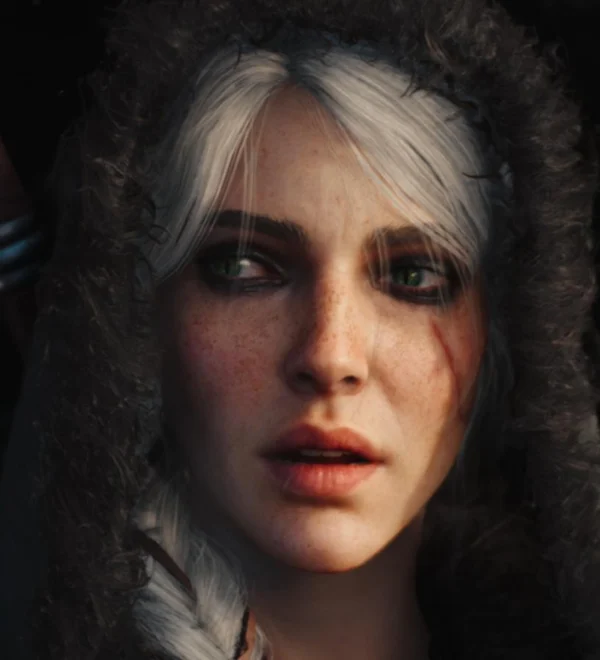 Actor Confirms Dandelion’s Return in The Witcher 4 via Voice Recording
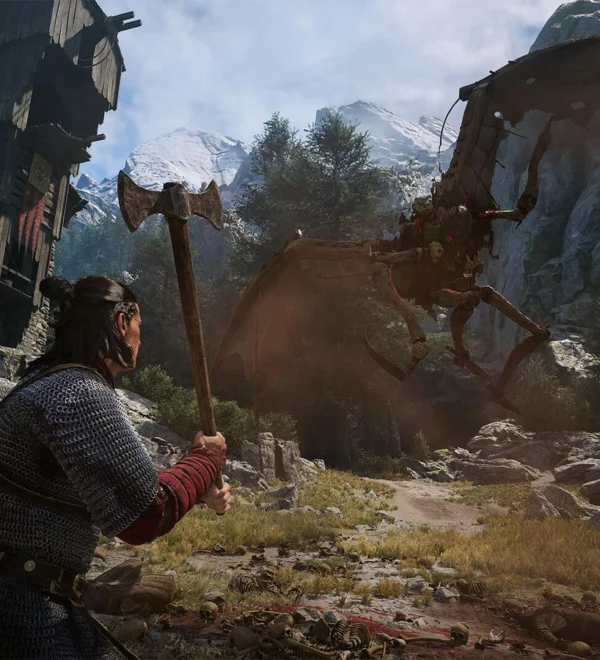 Modders Remake Key Mechanic in The Blood of Dawnwalker
 Sunrise On The Reaping Will Push PG-13 Rating Limit, Says Director