This 2-Part HBO Crime Thriller Is So Good You’ll Finish It This Weekend

Crime dramas have long served as the cornerstone of television, ranging from reliable, cozy procedurals like Law & Order and NCIS to sprawling, gritty epics such as The Wire and True Detective. While the genre thrives on clever plot twists and compelling investigators, the modern streaming landscape has become increasingly saturated. It is becoming a rare feat to find a mystery series that feels truly singular rather than a carbon copy of its predecessors, often relying on tired, interchangeable settings.
The shows that manage to cut through the noise are usually those that elevate their setting from a mere background to a driving force. By weaving local politics, intricate geography, and specific cultural nuances into the narrative, these series transform the environment itself into a suspect. Whether it is the systemic decay of Baltimore, the haunting atmosphere of the Louisiana bayou, or the detached, neon-drenched cynicism of a 1990s Manhattan precinct, the world-building is just as vital as the investigation.
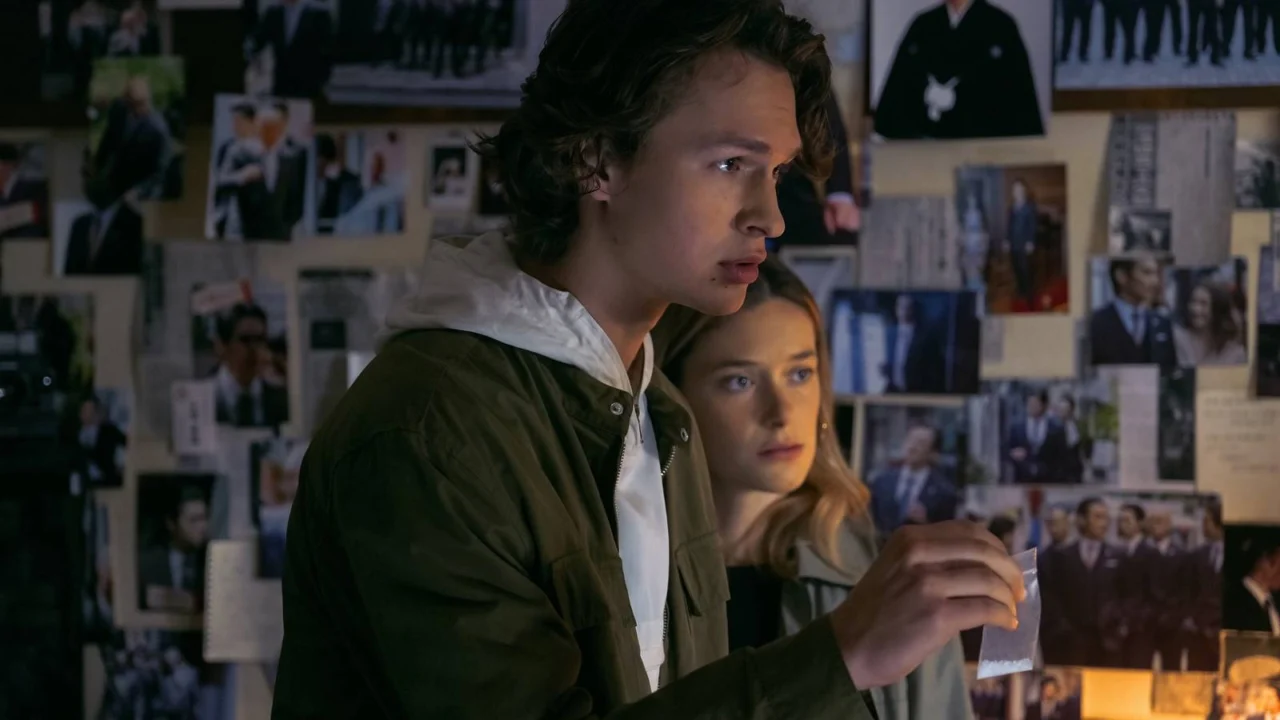
Few recent offerings capture this sense of place as effectively as the two-season thriller Tokyo Vice on Max. Helmed by creator J.T. Rogers and executive producer Michael Mann, this adaptation of Jake Adelstein’s 2009 memoir is a masterclass in atmosphere. The series plunges viewers into the rain-slicked, shadow-filled streets of 1990s Tokyo, where rigid corporate structures clash with the volatile, shifting dynamics of the criminal underworld. The result is an engrossing, high-stakes drama that demands a weekend-long binge.
Inspired by the true journey of an American journalist working for a prominent Japanese newspaper, Tokyo Vice follows Jake (Ansel Elgort) as he attempts to infiltrate a guarded and complex media hierarchy. As he covers the police beat, Jake is drawn into the dark web of the Yakuza, a criminal ecosystem grappling with a violent transition from traditional codes of honor (ninkyo-do) to the ruthless, bottom-line-driven tactics of 90s-era capitalism.
The narrative is bolstered by a powerhouse cast of Japanese cinema icons. Ken Watanabe (The Last Samurai, Inception) commands the screen as Hiroto Katagiri, a weary detective whose calm demeanor barely conceals the exhaustion of working within a deeply flawed system. Simultaneously, Rinko Kikuchi delivers a razor-sharp performance as Emi Maruyama, a senior editor navigating the suffocating sexism and bureaucratic red tape of a traditional newsroom.
Katagiri and Maruyama are more than just mentors; they are the moral compasses of the series, teaching Jake that success in Tokyo is rarely achieved through brash, Western-style heroics. Instead, it is won through a tense, slow-burn game of strategic patience and dangerous compromise.
The tension is further amplified by the younger talent, including Sho Kasamatsu as the brooding, conflicted Yakuza enforcer Sato, and Rachel Keller as Samantha, an American expatriate whose dangerous ambitions in the Kabukicho district bring her into the orbit of the volatile crime lord Shinzo Tozawa (Ayumi Tanida).
Yet, the real protagonist of the show is Tokyo itself. Avoiding the pitfalls of romanticized exoticism, the city is presented as a lived-in, breathing entity. As J.T. Rogers noted to the Location Managers Guild International, the city evolved into a central character, essential to the show’s unique identity.
Spanning 18 episodes, Tokyo Vice is a perfectly paced triumph that bypasses the repetitive bloat typical of many modern dramas. By focusing on the accumulation of small, criminal tremors rather than standard whodunit tropes, it delivers an immersive, sophisticated mystery that resonates long after the final credits roll.
Source: Polygon
Related articles
 Sony Threatens Players With Legal Action Amid Disc Protests
 Gamers Find Way to Beat Modern Warfare 4 Developer Records
 Microsoft Announces September Xbox Game Pass Lineup Featuring Call of Duty
 Witch Hat Atelier Manga Is One-Third Finished and Could Run for 12 Seasons
 GTA VI Trailer Outpaces Netflix Films in Popularity Across 87 Countries
 7 Years Later, What Remains of Edith Finch Still Has the Most Haunting Quote in Gaming
 An Unexpected Pokémon Card Is Set to Shatter Sales Records Against All Odds
 The Blood of Dawnwalker Tops Steam Sales Charts