
The Traitors US Needs Better Celebrities (Especially Those Who Fart)
Across two consecutive nights, Celia Imrie has emerged as the standout presence on The Celebrity Traitors. The celebrity edition — currently airing internationally — boasts notable names such as Alan Carr and Stephen Fry, yet it’s the Bridget Jones alum whose antics have dominated conversation.
In a matter of days Imrie has produced a string of unforgettable moments: an audible fart during briefing, a very public admission of snooping, a wild, wordless scream thrown down a well, and an offhand reference that had everyone talking. Those misadventures highlighted a clear contrast for me: the U.S. iteration of The Traitors just doesn’t capture the same spark. The American version feels different in tone and chemistry.
Part of the difference stems from who each version casts. The U.K. celebrity edition draws from a broad spectrum — pop stars like Paloma Faith, Olympians such as Tom Daley — producing an eclectic, unpredictable mix. By contrast, the U.S. show has increasingly leaned on veterans of reality television, plucking contestants from franchises like Real Housewives, Below Deck, and Survivor.
That background split creates distinct dynamics. Competitors who cut their teeth on strategic formats — the so-called “game players” from shows like Survivor or Big Brother — are often viewed with suspicion for their tactical instincts. Other stars, coming from socially driven reality series, emphasize interpersonal bonds and charm. For example, The Real Housewives of Atlanta alum Phaedra Parks advanced as a traitor largely by cultivating relationships rather than by overt strategic maneuvering.
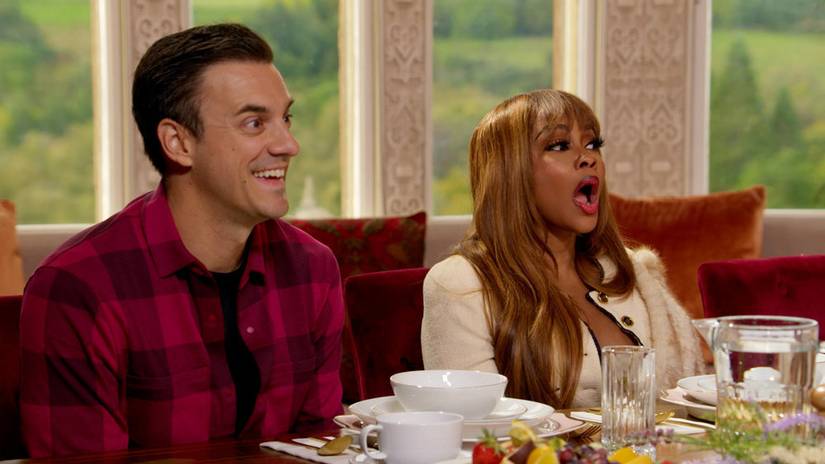
The U.K. Celebrity Traitors sidesteps those rigid divisions by assembling a far more eclectic roster. Rather than drawing heavily from competitive reality veterans, the cast feels like an intentional mash-up of different entertainers and public figures — people who often arrive with mutual recognition and respect.
Another key distinction: where American contestants play for themselves, U.K. participants typically donate winnings to charity. Competing for a communal prize pot rather than personal gain subtly shifts motivations and encourages cooperation. It’s speculative psychology, but earning money for others changes how people collaborate under pressure.
I’m not dismissing the U.S. show — I’m a fan of Alan Cumming as host, and it has produced memorable moments, too. There are occasional slip-ups (Tom Sandoval’s infamous verbal fumble that turned “traitors” into something else comes to mind) and amusing missteps. Still, the U.K. Celebrity edition’s blend of personalities and its charitable prize structure often yield looser, more surprising moments — like Imrie’s offbeat nursery-rhyme reference that quickly became a viral anecdote.
There’s no set release date yet, but the next U.S. season and its roster have been announced; the cast appears more varied this time, with wild cards such as comedian Ron Funches and Donna Kelce among the names, and producers have signaled a desire to mix things up. Let’s hope that translates to more absurdity (and more of the kind of unfiltered hilarity that made Imrie such a revelation), because at the moment The Celebrity Traitors simply feels like the livelier, stranger cousin.
Source: Polygon
Related articles
 Nolan’s “Oppenheimer” Surpasses “Spider-Man” at the Box Office
 Natalie Portman Becomes a Mother for the Third Time
 Zach Cregger Will Not Direct Franchises After “Resident Evil”
 The Rolling Stones to Receive a Biopic
 “Spider-Man: Brand New Day” breaks all-time US record
 “Prime Time” starring Robert Pattinson receives critical reviews
 Robert Pattinson Responds to Chris Hansen’s Complaints About the Movie “Primetime”
 Ryan Reynolds’ “Mayday” receives positive reviews from critics