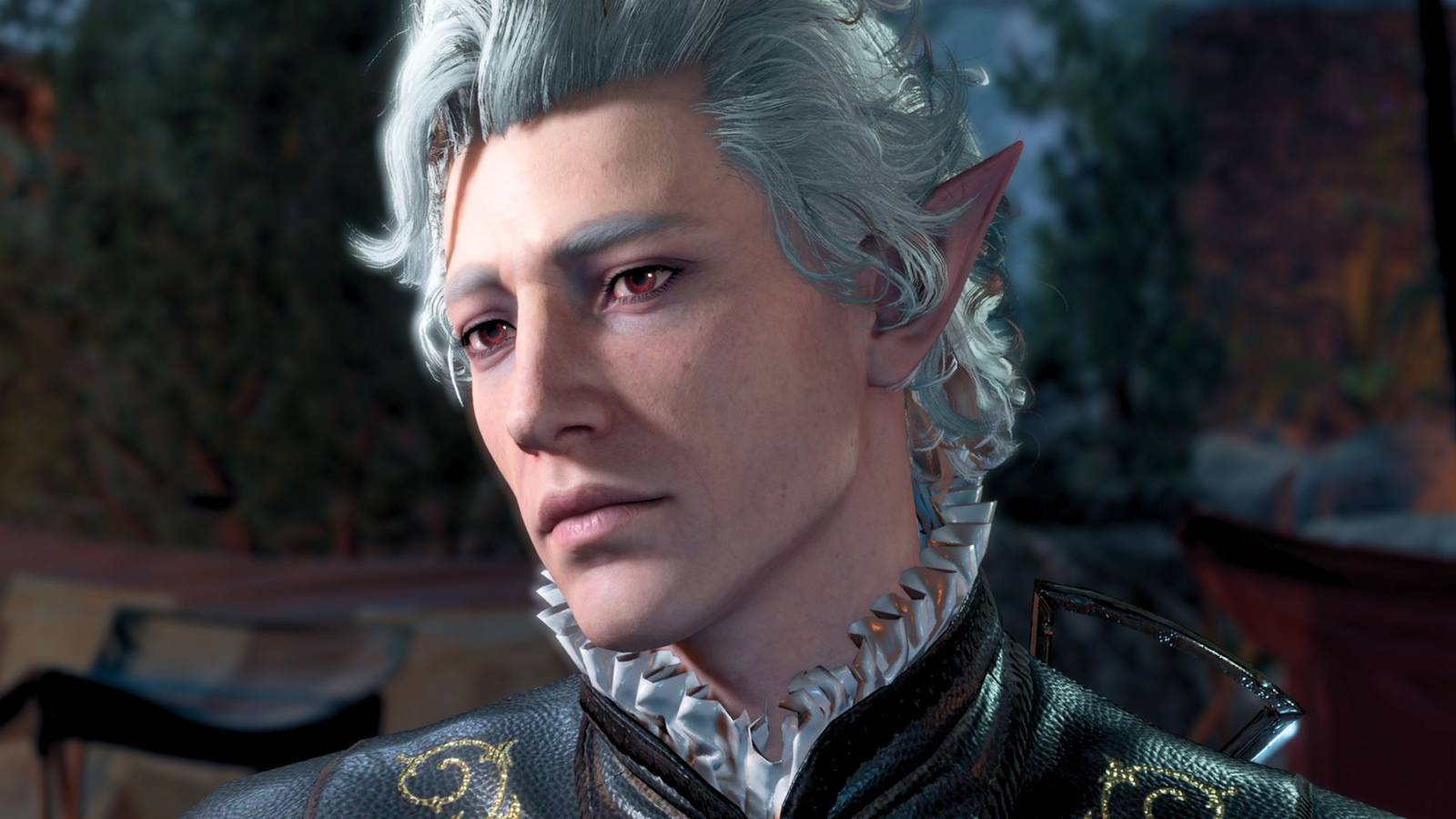
The Most Beloved Feature in Baldur’s Gate 3 Is Overrated and Ruins the Game
A prevalent sentiment surrounding 2023’s Game of the Year, Baldur’s Gate 3, is that its narrative depth and character development are its crowning achievements. While this isn’t a universal consensus among the fanbase, I find myself squarely in the minority: I genuinely appreciate the mechanical depth of BG3, yet I find the actual storytelling and scriptwriting from Larian Studios to be surprisingly lackluster.
For those quick to take offense: consider my perspective as a veteran of the genre. My foundational experiences with RPGs are defined by titles like Baldur’s Gate 1 and 2, Planescape: Torment, Mass Effect 3, the Fable series, the early Final Fantasy entries, and Chrono Trigger. These classics understood that while player agency is important, a cohesive, author-driven narrative must remain the anchor—even within a branching structure.
In essence, these older titles ensured that while your choices mattered, the overarching vision of the creators took precedence. Baldur’s Gate 3, conversely, feels like it prioritized player breadth over narrative depth.
 |
Polygon Spicy Takes Cookout Fireworks, flame wars, and our hottest opinions over the holiday weekend. |
| Spice things up→ | |
Larian’s rendition of the Dungeons & Dragons universe is lauded for its sheer freedom—a design choice that feels like an attempt to offset the absence of a traditional open world. The studio famously boasted about the game’s 17,000 potential endings, but this figure is largely a marketing gimmick, accounting for every trivial permutation rather than meaningful narrative variance. In my view, this is quantity over quality.
At what point does a story become so diluted by endless variations and conditional branching that it loses its emotional resonance? I would argue that Baldur’s Gate 3 dangerously flirts with that threshold.

Take, for instance, the decision to transform into a Mind Flayer during the finale. It lacks any significant narrative payoff. The “heroic” nature of the sacrifice is largely ignored by companions, and even your romantic partner remains oddly indifferent to the fact that you’ve morphed into a tentacled monstrosity. The lack of poignant reactivity makes the choice feel hollow.
The romance system, often highlighted as a standout feature, also feels superficial. It functions more like a checklist of “conquests” than organic relationship building. You perform specific actions to boost approval ratings, play through their associated side quests, and eventually “unlock” them as a partner. It’s transactional; once the requirements are met, the depth of character exploration plateaus, leaving little room for genuine growth.
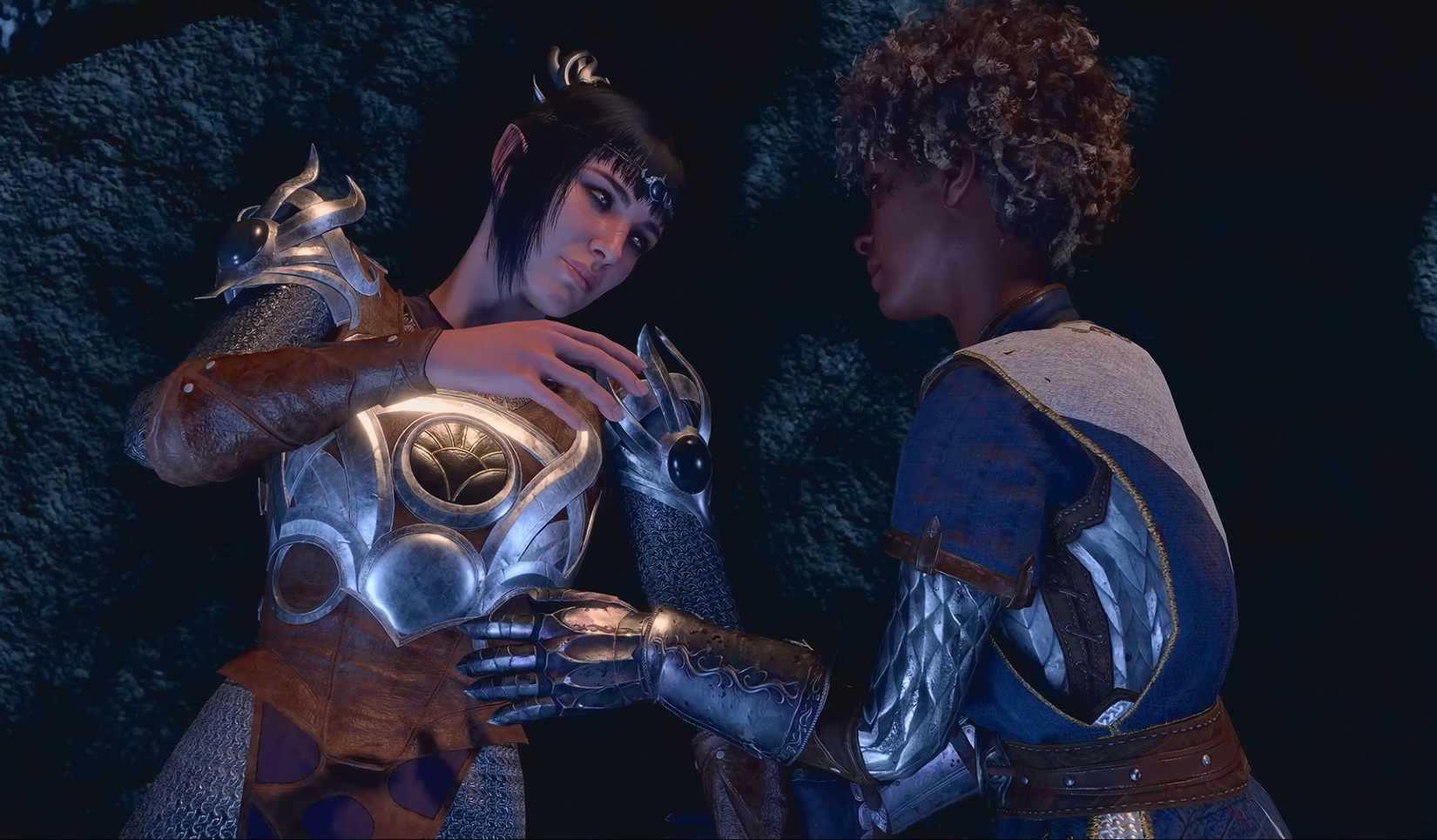
This approval-based system echoes older BioWare titles, yet those games managed to make romance feel vital. Consider Viconia DeVir from Baldur’s Gate 2. She was notoriously difficult to earn the trust of; she required a nuanced understanding of her cultural background and traumatic history. Failing to play the “part” meant losing her entirely. Her arc felt earned, grounded in complex psychological development rather than just stacking approval points. In BG3, relationships feel like wish fulfillment—easy, pleasant, and ultimately inconsequential.
Even the antagonists fall into this trap. Enver Gortash is a primary villain who fails to command presence, appearing as a two-dimensional plot device. We are never given enough reason to fear or despise him, especially when compared to iconic RPG villains who left lasting marks on the medium.
Ultimately, Baldur’s Gate 3 is a technical marvel, but its narrative is often stretched too thin by its own obsession with “choice.” It creates a kaleidoscope of possibilities that, while dazzling at a distance, lacks the cohesive emotional impact of a tightly woven story. Sometimes, less is truly more.
Source: Polygon
Related articles
 Nearly 20 Years Later, Arkane Founder Understands Why Valve Canceled Ravenholm Game
 Roguelike Shooter Armatus from Godfall Developers to Launch in January
 Squadron 42 Delayed to Avoid Competing with Grand Theft Auto VI
 Rockstar Urges Players Not to Jump to Conclusions About Grand Theft Auto VI Amid Leaks
 10 Minutes of Gameplay Shown for RPG Sea of Remnants Featuring Turn-Based and Naval Battles
 Modern Warfare Actor Barry Sloane Reacts to New Captain Price Meme
 GTA 6’s Main Story Reportedly Takes 80 Hours to Complete, Reveals Rockstar Developer
 Rockstar Confirms GTA 6 Will Avoid Trump and COVID Satire