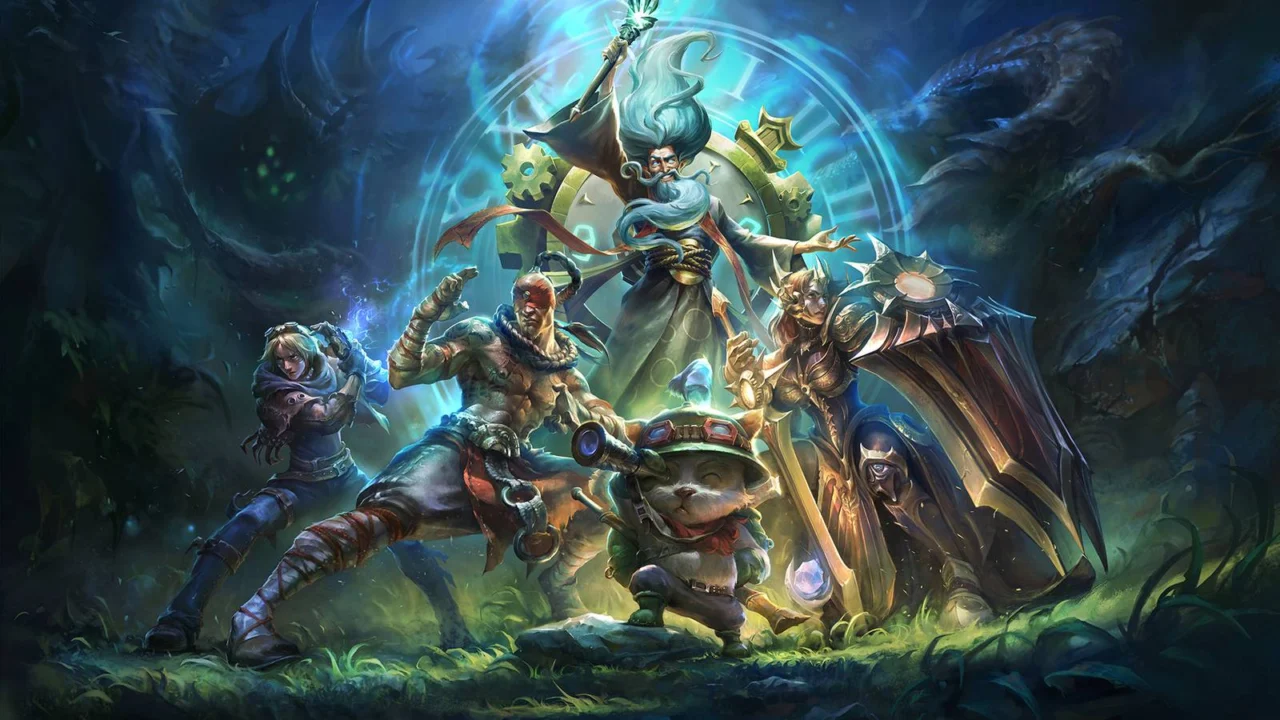
The Future of League of Legends Classic Is in Your Hands
League of Legends occupies a uniquely nostalgic space in my life. I first dove into the Summoner’s Rift back in 2010, just before the inaugural season kicked off. I still vividly recall the thrill of watching early tournament circuits like Go4LoL, the World Cyber Games, and that legendary first World Championship hosted in “Phreak’s basement.” While my playtime has become more occasional over the years, those formative seasons remain etched in my memory—a chaotic, transformative era that was simultaneously the best and most maddening time to be a gamer.
League of Legends Classic is set to transport players back to those primitive days starting July 29. The experience was vastly different back then: ability tooltips were cryptic, the game moved at a more deliberate pace, and the screen lacked the overwhelming visual density of the modern client. However, it was also undeniably flawed. When I started, the impending release of Xin Zhao loomed over the community like a dark cloud. If you were active then, you remember the sheer panic that champion induced. As a novice, I simply assumed that was the “intended” design: aggressively overtuned champions, instant deletions, and the invisible, agonizing burn of an Evelynn stacking Sunfire Capes. It is frankly a miracle I kept playing.
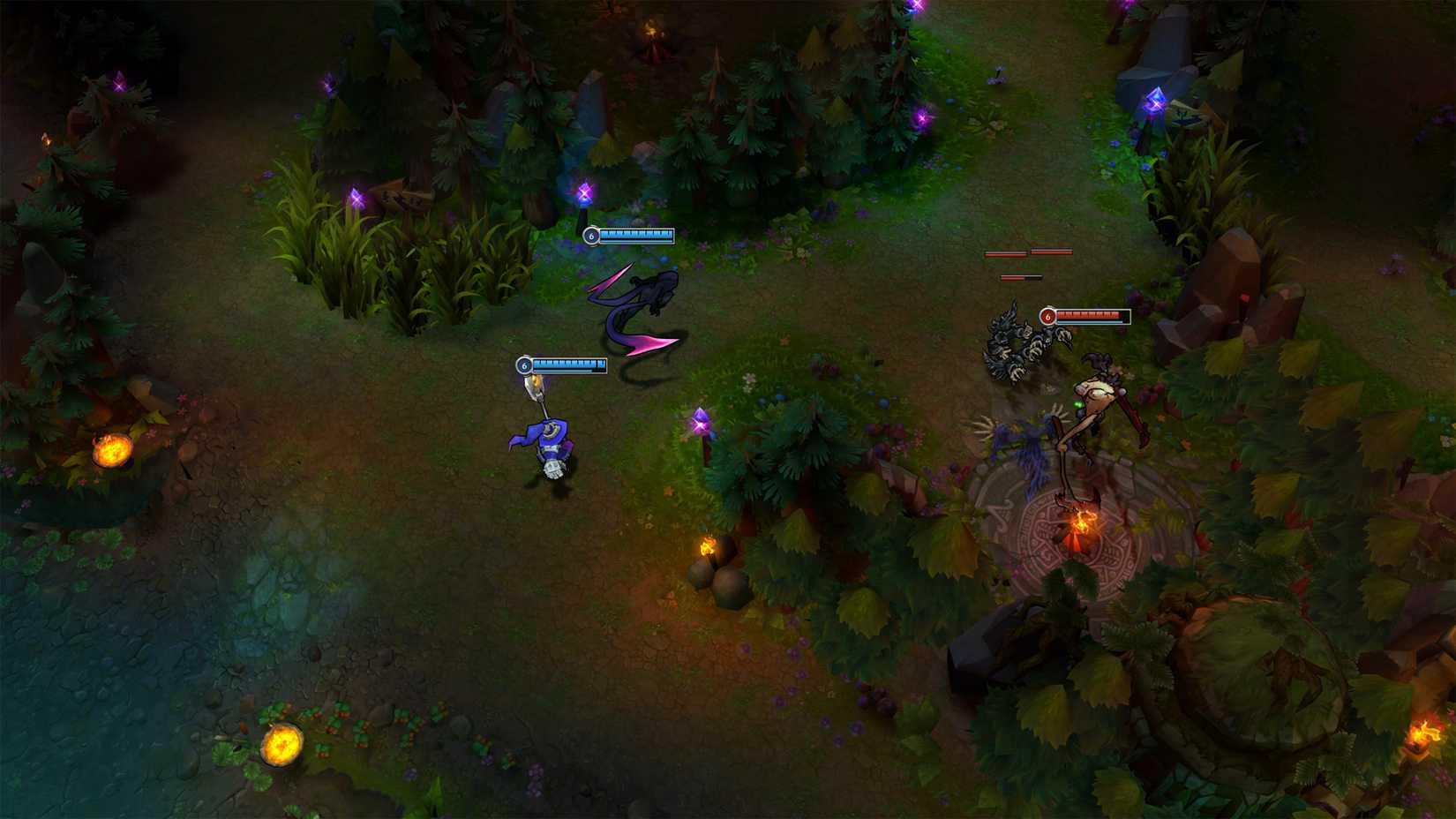 Image: Riot Games
Current players might view the modern game as the baseline, but the title has undergone 17 years of radical evolution. Today’s iteration is significantly faster, refined by countless quality-of-life adjustments, and polished to a much higher visual standard. A direct, unrefined restoration of the classic era would likely highlight just how far the game has come. Even through my own rose-tinted glasses, I acknowledge that the League of yesteryear would be a struggle to return to. Yet, League Classic aspires to transcend that broken past by actively partnering with its community.
In the coming months, the development team will rely on player feedback and voting to shape the roadmap, allowing the community to prioritize which champions reappear in future patches. With modern infrastructure at their disposal, the developers are better equipped than ever to honor player demands.
Ahead of the late-July launch, I sat down with Paul Bellezza, executive producer of League of Legends, to discuss how the project plans to grow and evolve.
This interview has been edited for brevity and clarity.
Polygon: Looking back, many champions were notoriously overtuned—broken upon arrival. But that, in many ways, is part of the draw for veterans. They want to experience that “original flavor” of release-day Xin Zhao or Jax’s dodge-heavy kit. Will these champions retain their game-breaking identities, or will they be recalibrated for parity?
Paul Bellezza: It will likely be a hybrid approach. We want to preserve those iconic, high-impact memories while ensuring the ecosystem stays functional. We’ve gained a lot of wisdom regarding how to capture that original “spirit” without making the game unplayable. I have total confidence in our team—Game Director FeralPony and designer David Turley know exactly where to draw the line between a nostalgic “happy memory” and the type of imbalance that we’re better off having evolved past.
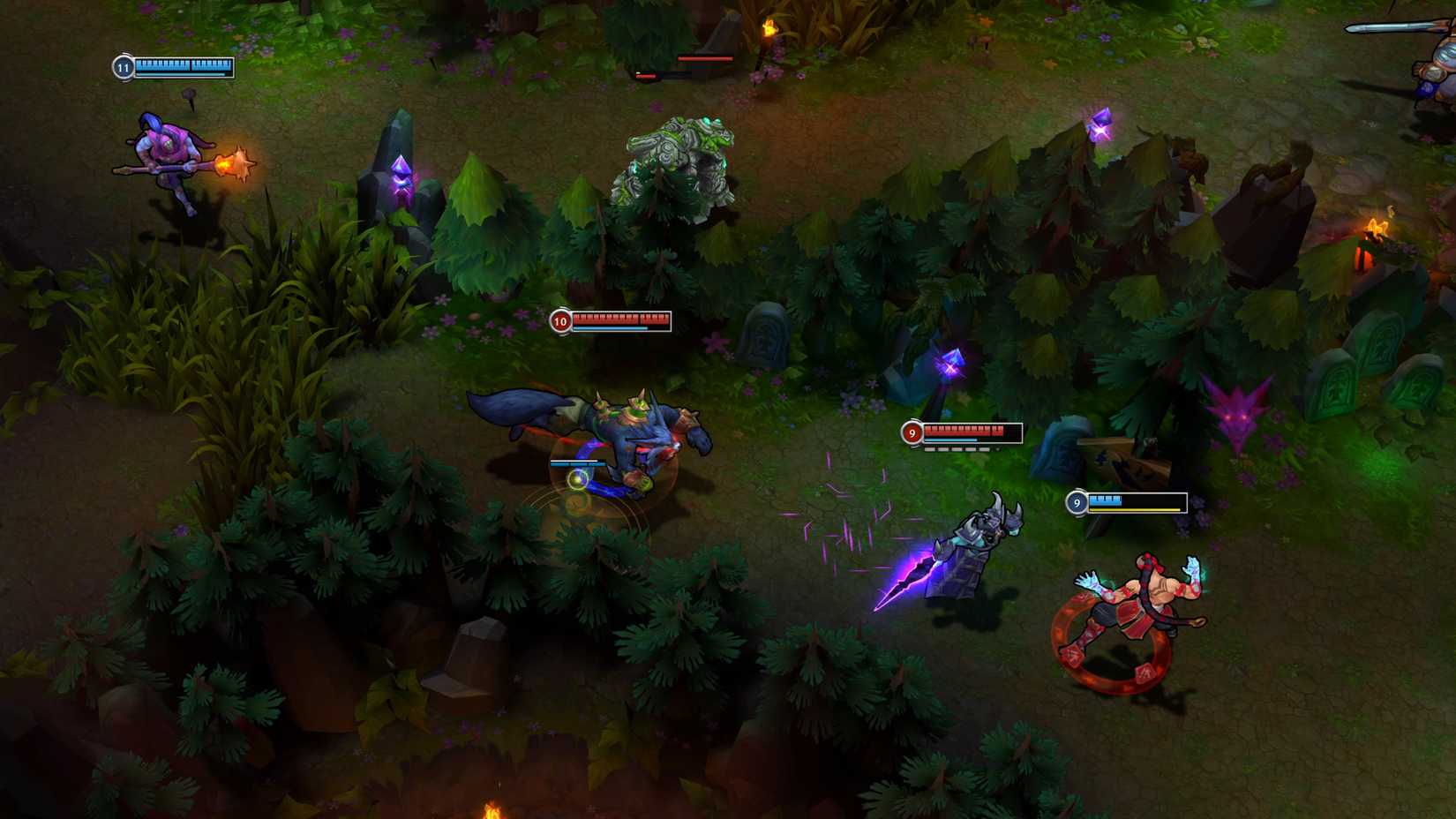 Image: Riot Games
Polygon: You’re launching with the original 40 champions, plus a curated group of 20 additions. How did you settle on those specific 20?
Paul Bellezza: It was a mix of the original roster and characters that felt truly emblematic of that era. Whalen Rozelle, for instance, had a strong sentiment—he really wanted to see AD Akali again. It was a lot of internal discussion, looking at the history, and making educated guesses on which kits defined the “feel” of that specific period. You won’t see characters like Yasuo, Yone, or Yuumi. We drew a hard line at Yasuo’s November 2013 debut; there was a distinct “before and after” with his release, so we’ve kept the focus on that earlier timeframe—though we’ll see how it evolves.
Polygon: Will Yasuo eventually appear in the community voting polls?
Paul Bellezza: If he does, we’ll see what happens. We’ll all get to experience that again.
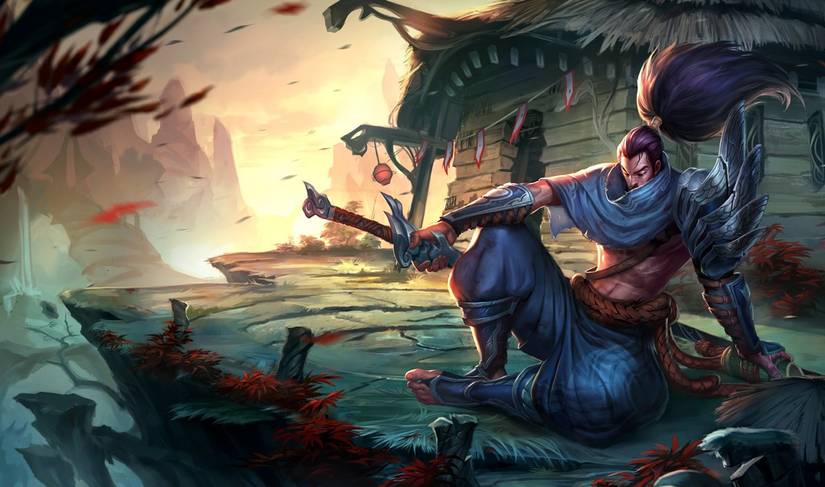 Image: Riot Games
Polygon: How exactly will the voting mechanics function?
Paul Bellezza: Active play-time in Classic will grant access to the survey. While everyone will have a voice, we’ll provide extra weight to those who play more, as well as those who have a deeper history with the game. It’s our way of honoring the veterans who were there when it all started.
Polygon: Back in the day, champions dropped with staggering frequency—often every two weeks. Should we expect that same cadence for Classic?
Paul Bellezza: It might even be faster. Since we’re batching releases based on community votes, you might see several champions arrive in a single update. I was the lead champion producer during those early days, and we were outputting content at a breakneck speed. It was a mixed bag—we had some incredible successes and some lessons learned. We have the benefit of hindsight now to curate that experience, and the fun lies in letting the players dictate the direction.
Polygon: Is there a definitive endpoint for League Classic, or will it continue indefinitely?
Paul Bellezza: That’s a philosophical question I don’t have the answer to yet. That’s the beauty of collaborating with the community. Everything depends on how the players respond. We intended to support it for a set period, but if the demand is high, it could grow significantly. It’s an experimental opportunity to co-create, acknowledging the vast history while navigating the strongly polarized opinions found in different regions like Korea, Brazil, China, and Europe.
Polygon: Could League Classic diverge into its own “parallel universe,” similar to how Old School RuneScape has evolved beyond its source material?
Paul Bellezza: We aren’t spiritually opposed to it. We’ve discussed the idea of an “alternate reality,” and while we don’t know if we’ll go that far, we’re keeping an open mind. If the players ask for it, we’re happy to explore that path.
League of Legends Classic is scheduled for release on July 29.
Related articles
 James McAvoy Shares Advice for the New Professor X in the X-Men Reboot
 Ranma 1/2 Season 3 Receives New Trailer Featuring Opening and Ending Themes
 Xbox Head Asha Sharma Spends Hours Each Month Answering Player Inquiries
 Annihilation Battles Mode Returning to Ace Combat 8: Wings of Theve
 Lies of P Developers Register Trademark for Wonders of O
 Jason Momoas Early Sci-Fi Series Now Streaming Free on YouTube
 Seven Classic Noir Movies to Watch After Spider-Noir
 Composer Mick Gordon Contributed to Music for First StarCraft Shooter Trailer