Superhero Fatigue Isn’t Real; Marvel Just Makes Bad Movies Now

Despite the fresh trajectory Superman established for James Gunn’s DCU, Supergirl is currently struggling to gain traction at the box office. With a disappointing $38 million domestic opening, both critics and moviegoers are pointing toward its disjointed script, an underdeveloped antagonist, and a confusing musical climax. Predictably, some pundits are once again blaming this trend on “superhero fatigue”—the tired theory that audiences have simply grown weary of caped crusaders.
The reality, however, is that superhero fatigue is a myth. It has become a convenient scapegoat used to excuse the underperformance of lackluster films. A look at the post-pandemic landscape reveals that the genre isn’t dying; it is simply suffering from a quality crisis.
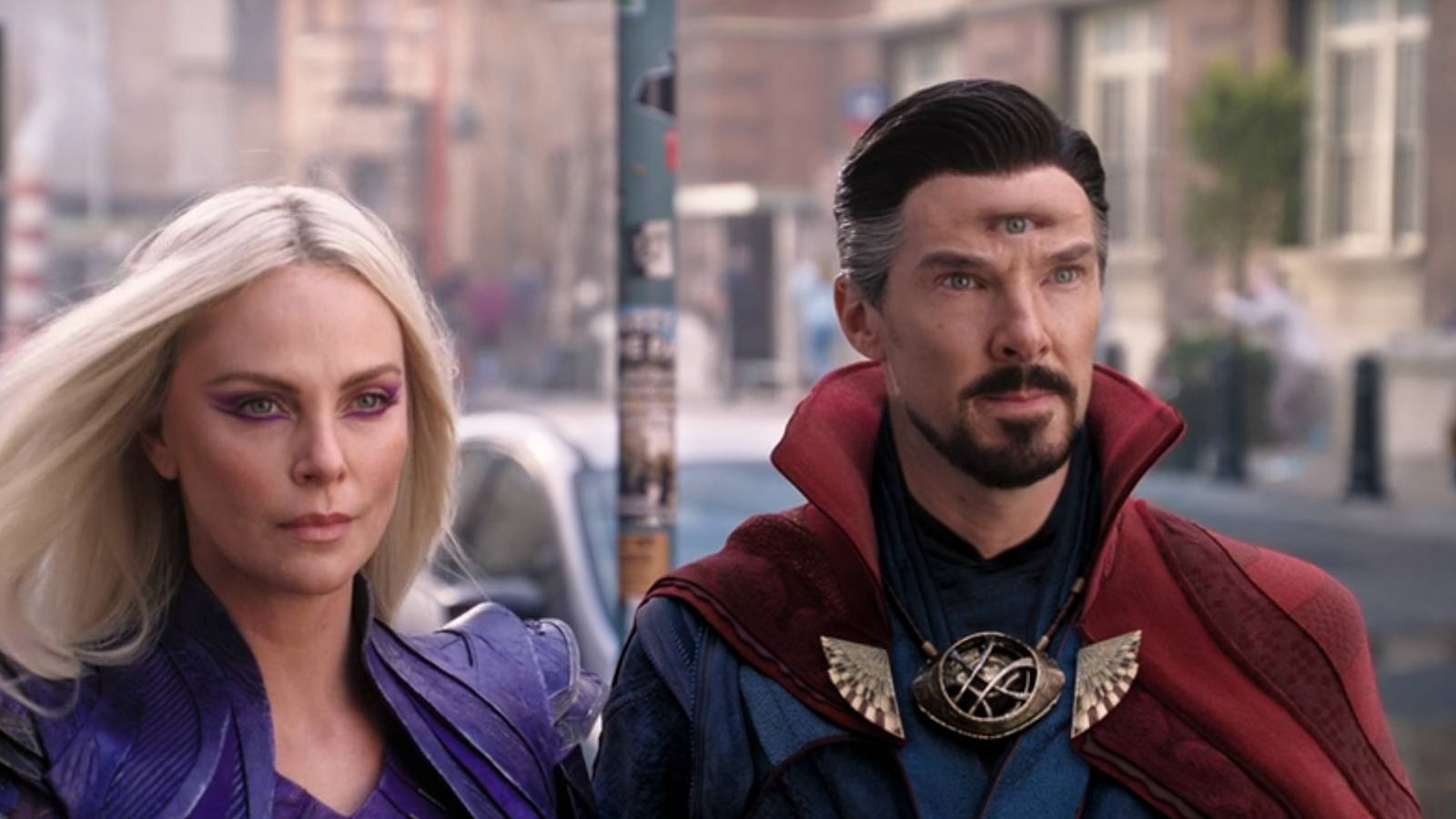
The term “superhero fatigue” implies an inherent exhaustion with the genre that has built up over two decades. While the phrase gained minor traction pre-pandemic, Google Trends data shows it didn’t truly enter the cultural lexicon until 2022. That year, the industry churned out five major superhero titles: Doctor Strange in the Multiverse of Madness, Black Panther: Wakanda Forever, The Batman, Thor: Love and Thunder, and Black Adam. While the latter three were labeled victims of “fatigue” due to their lukewarm reception, Multiverse of Madness actually outperformed its predecessor financially. The criteria for what constitutes a “fatigued” movie seems entirely arbitrary, often shifting to match critical sentiment rather than objective box office reality.
Image: Google
The pattern repeated in 2023 with films like Ant-Man and the Wasp: Quantumania and Aquaman and the Lost Kingdom. Both were branded as casualties of fatigue, yet the reality is far simpler: they were largely perceived as inferior products. When a movie fails to resonate, calling it “fatigue” lets creators off the hook, shifting the blame onto an audience that is perfectly willing to show up for quality storytelling, as evidenced by the massive success of Spider-Man: Across the Spider-Verse and Guardians of the Galaxy Vol. 3.
The recent difficulties faced by projects like The Marvels and Supergirl are likely tied to a combination of factors, including toxic online discourse, misogynistic fan backlash, and a fractured cinematic universe that now requires viewers to do “homework” by watching endless streaming series. Marvel, in particular, sacrificed its once-sterling reputation by pivoting toward a “quantity over quality” model, which inevitably eroded the brand’s premium status.
In short, the audience hasn’t changed; the content has. While moviegoing habits have shifted since the pandemic, high-quality blockbusters are still capable of generating massive returns. When Hollywood produces a sub-par film, it should own the failure rather than hiding behind a convenient, manufactured narrative about audience burnout. As long as the standard of filmmaking remains inconsistent, the blame lies with the boardroom, not the theater seat.
Source: Polygon
Related articles
 Bloodstained: The Scarlet Engagement Delayed to 2027
 New Grand Theft Auto VI Trailer Delivers In-Depth Look at Gameplay, Story, and Side Activities
 Chinese WWII Shooter The Defiant Gets New Trailer
 GTA 6’s Relationship System Will Let Players Friendzone Jason and Lucia
 Journalists Showcase Switch 2 Version of Dragon’s Dogma 2: Dark Arisen
 Xbox Officially Introduces Disc-to-Digital Program
 Finji Sets October Release Date for Supernatural Action Game Usual June
 Microsoft Asks $900 for Its Anniversary Console