
Resident Evil Requiem Has Already Ignited the 2026 Game of the Year Conversation
While the Resident Evil franchise often plays the role of the perennial contender rather than the ultimate victor at The Game Awards, its presence remains an undeniable constant. Since its 2017 resurgence with Resident Evil 7 Biohazard, Capcom’s survival horror titan has been a fixture on the awards stage. The series has amassed three Game of the Year nominations—for Resident Evil Village and the reimagined versions of Resident Evil 2 and 4—alongside numerous accolades for sound design, direction, and Best Action/Adventure. It even secured a Best Performance win for Maggie Robertson’s iconic portrayal of Lady Dimitrescu and has dominated the Best VR/AR category with three separate wins.
The Game Awards jury clearly aligns with the consensus that Capcom has mastered a formula for consistent excellence over the last decade. Even before critics and players experienced this year’s mainline installment, Resident Evil Requiem, it was widely regarded as a “safe bet” for a GOTY nod—perhaps even more reliable than Grand Theft Auto 6, which remains haunted by the specter of potential delays. It seemed all Leon S. Kennedy had to do was show up and collect his nomination certificate.
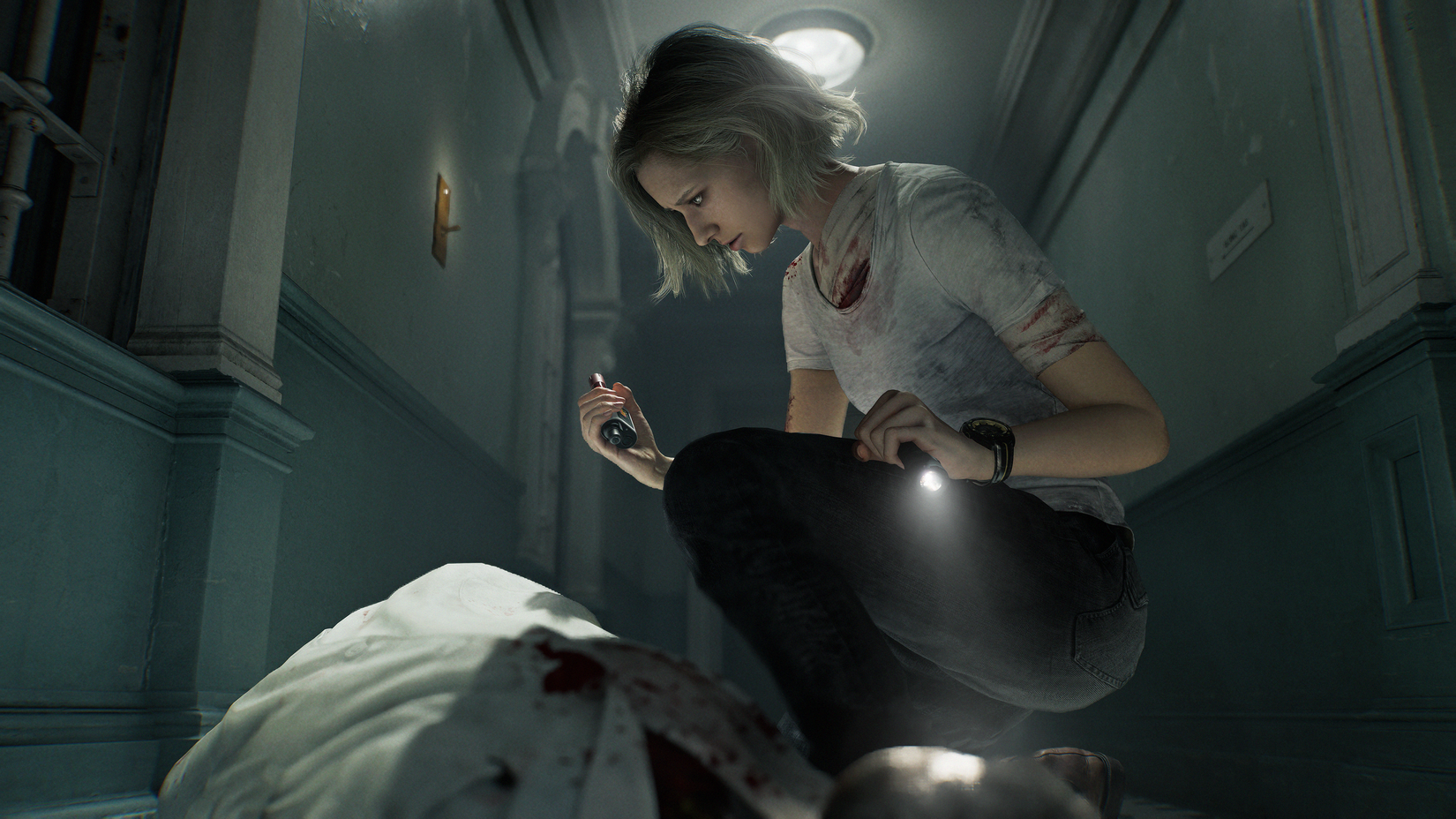
However, the reality is more nuanced. Early reviews—the primary currency of The Game Awards—for Resident Evil Requiem have been overwhelmingly positive, yet they stop just short of universal adulation. Capcom took a creative gamble by offering a bifurcated experience: a terrifying, claustrophobic first-person horror perspective through Grace, contrasted with the high-octane, third-person action associated with Leon. While many praised the ambition, some critics found the jarring shifts in tone difficult to reconcile.
In Requiem’s favor is its sheer technical prowess and somber, cinematic weight. The game’s mournful atmosphere and its willingness to tackle themes of personal and historical trauma are exactly the kind of “prestige gaming” elements that appeal to a jury often eager to prove the medium’s artistic maturity—especially when those themes are wrapped in a polished, big-budget package.
To look at the cold data—essential for an awards race—Requiem currently sits at an 88 on Metacritic and an 89 on OpenCritic. This puts it in the category of highly respected titles like Alan Wake 2 or Horizon Forbidden West: games that easily secure nominations but often lack the “90-plus” critical momentum usually required to seize the top prize.
Compared to the franchise’s own history, these scores are slightly soft. The remakes of Resident Evil 2 and 4 both landed in the low 90s, propelled by a mixture of nostalgic reverence and genuine awe at Capcom’s ability to modernize classics. While Village earned a nomination with a mere 84, that occurred during 2021—a historically quiet year for gaming where no nominee breached the 90-point threshold, making it an outlier rather than a rule.
The ultimate fate of Requiem’s awards season depends on the strength of the 2026 competition. The field could become incredibly crowded if GTA 6 meets its release window, or if titles like Marvel’s Wolverine and Control Resonant deliver on their immense promise. Furthermore, “wild card” entries like Fable or The Blood of Dawnwalker could steal the spotlight, not to mention the possibility of a dominant year for indies, similar to the recent surge of Hades 2 and Hollow Knight: Silksong.
At this stage, whether Resident Evil Requiem will truly fight for the Game of the Year crown is a toss-up. Regardless of the trophy count, it stands as another critical and likely commercial triumph for Capcom. Yet, its position raises a challenging question for the franchise’s future: when remakes consistently garner more fervor than original entries, is the series’ creative heart starting to be eclipsed by its own past?
Source: Polygon
Related articles
 Helldivers 2 Receives Thousands of Negative Reviews After Update Breaks Popular Mod
 The Rings of Power Season 3 Gets a New Trailer
 Hacker Claims Jailbreak of New PS5 Firmware 14.20 Eight Hours After Release
 EA Shuts Down BioWare, Cancels Next Mass Effect Game
 Left 4 Dead RTX Announced as NVIDIA Shows Enhanced Version of Left 4 Dead 2
 Diablo: Unbound, a Tabletop Dungeon Adventure With Random Loot, Announced
 Reddit user voices38 deletes account after court ruling allowing identity disclosure, and v0ices38 appears
 Borderlands and BioShock Are Being Removed From Steam Libraries After 13 Years, and Players Lose Licenses to Purchased Games