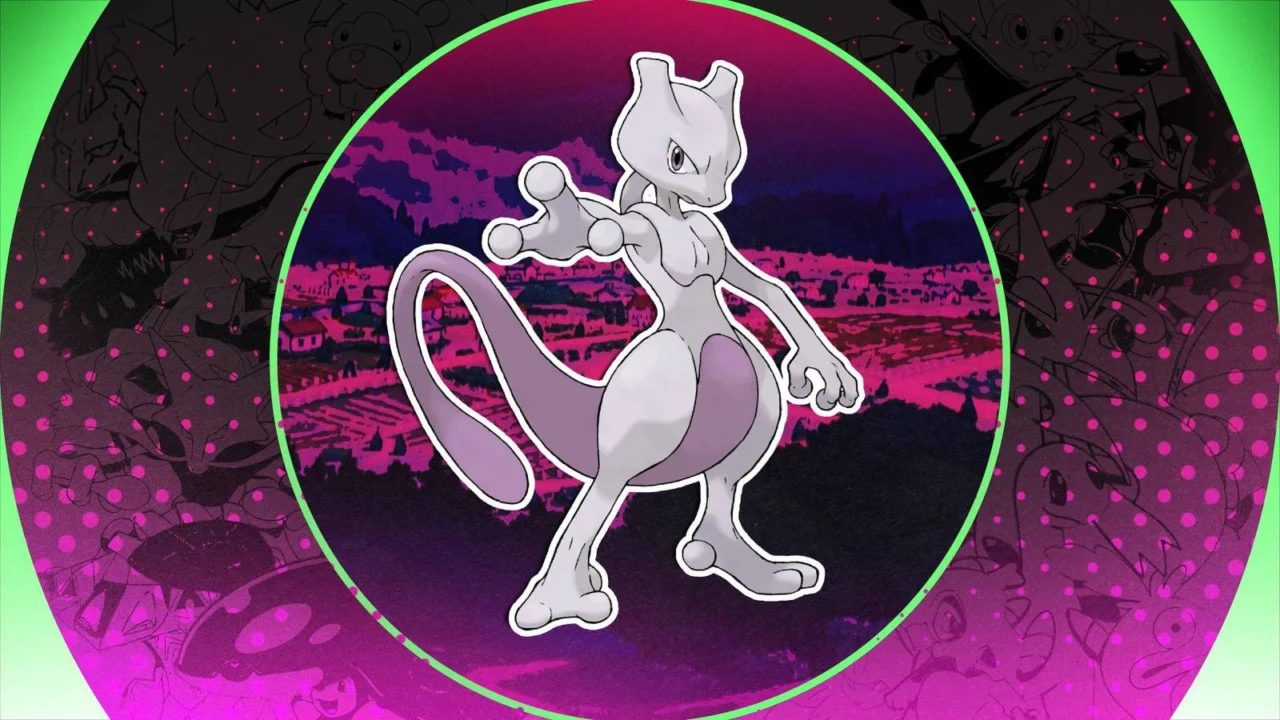
Pokémon Go’s 10th Anniversary Mewtwo Stunt Was Stellar, Yet Fans Are Furious
Pokémon Go has officially reached its 10th anniversary—a milestone one might assume would be celebrated with universal fanfare. However, the kickoff to this decade-long achievement has left a bitter taste for a significant portion of the player base.
The trouble began in Japan, where fans noticed a strange void at the Shibuya Pokémon Center. The site, usually home to an imposing, lab-inspired Mewtwo statue, was suddenly missing its centerpiece. For hours, developer Scopely remained silent, leaving the community to speculate on the statue’s whereabouts.
The mystery was resolved on Thursday night in spectacular fashion: a high-profile takeover of New York City’s Times Square. Mewtwo reappeared in a dramatic display, challenging local trainers to a battle. The lucky participants were granted the chance to capture a “Hundo” Mewtwo—a creature with perfect individual values (IVs). The spectacle was a clear homage to the game’s iconic 2016 debut trailer, which famously featured a massive crowd gathering in Times Square to take down the legendary Pokémon.
In the world of Pokémon Go, natural “Hundo” legendaries are effectively the “holy grail” of catches, making the Times Square payout exceptionally valuable. The frustration, however, stems from the event’s exclusivity. The opportunity to snag these perfect stats was restricted to a select group of influencers, media personnel, and creators. While general fans watching the broadcast from home received small digital gifts like Poké Balls and Lucky Eggs, many felt the rewards were insulting compared to the prestige handed to the invite-only attendees.
The broader community will gain access to Mega Mewtwo X and Y when the global Pokémon Go Fest 2026 begins on July 11. Yet, there is no guarantee of perfection for the average player; they are expected to grind for their rewards—and Scopely is actively nudging them to spend real money on Raid Passes to optimize their chances.
The backlash has been swift. A top-rated discussion on the Pokémon Go subreddit branded the event as one of the most tone-deaf decisions in the franchise’s history. Critics argue that the spectacle diametrically opposed the spirit of the game’s 2016 launch, which succeeded precisely because it fostered shared, grassroots experiences for millions of average players.
When Scopely took to social media to thank the community for a decade of support, the response was filled with resentment. “It’s a big middle finger to the rest of the world,” one user remarked on Facebook, while another noted that long-term, loyal players deserved a celebration that actually felt inclusive.
The sting is compounded by the rarity of the catch. Many players shared stories of participating in hundreds of raids over the years without ever encountering a perfect Mewtwo, making the exclusive “handout” to influencers feel particularly dismissive. As one user aptly put it, the event wasn’t just a missed opportunity—it was a glaring display of how out of touch the developers have become with their core audience.
Related articles
 CD Projekt Red Preparing New Witcher Surprises Ahead of The Witcher 4
 Rockstar Games Speaks Out on ‘Heartbreaking’ Grand Theft Auto VI Leaks
 Neverness to Everness Continues to Earn Millions Four Months After Release
 Xbox Unveils Disc-to-Digital Program to Convert Physical Discs into Digital Copies
 GameSir Opens Pre-Orders for Xbox Anniversary Edition X5 Lite Mobile Controller
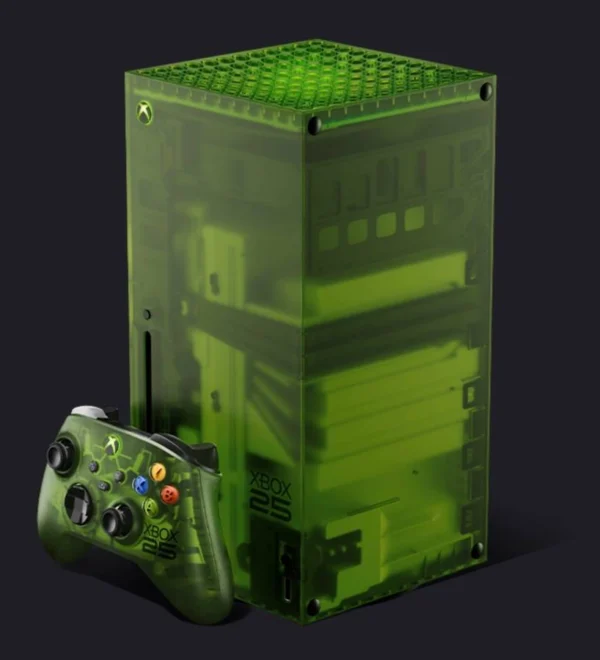 Xbox Launches Pre-Orders for New $899 25th Anniversary Hardware
 Critical Role Explains How Cast Members Are Paid if Their Characters Die
 Lego Batman: Joker and Harley Quinn DLC Arrives Next Month With Free Absolute Difficulty Update