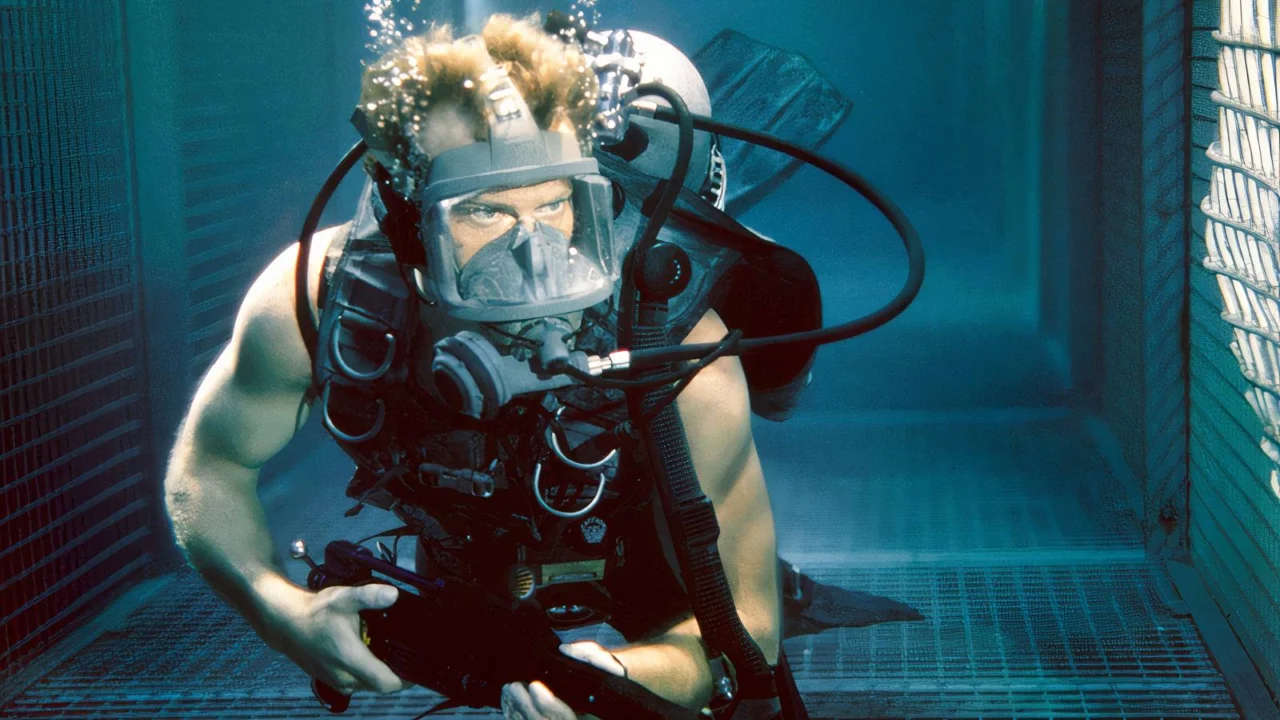
One of cinema’s most memed deaths is finally available to stream
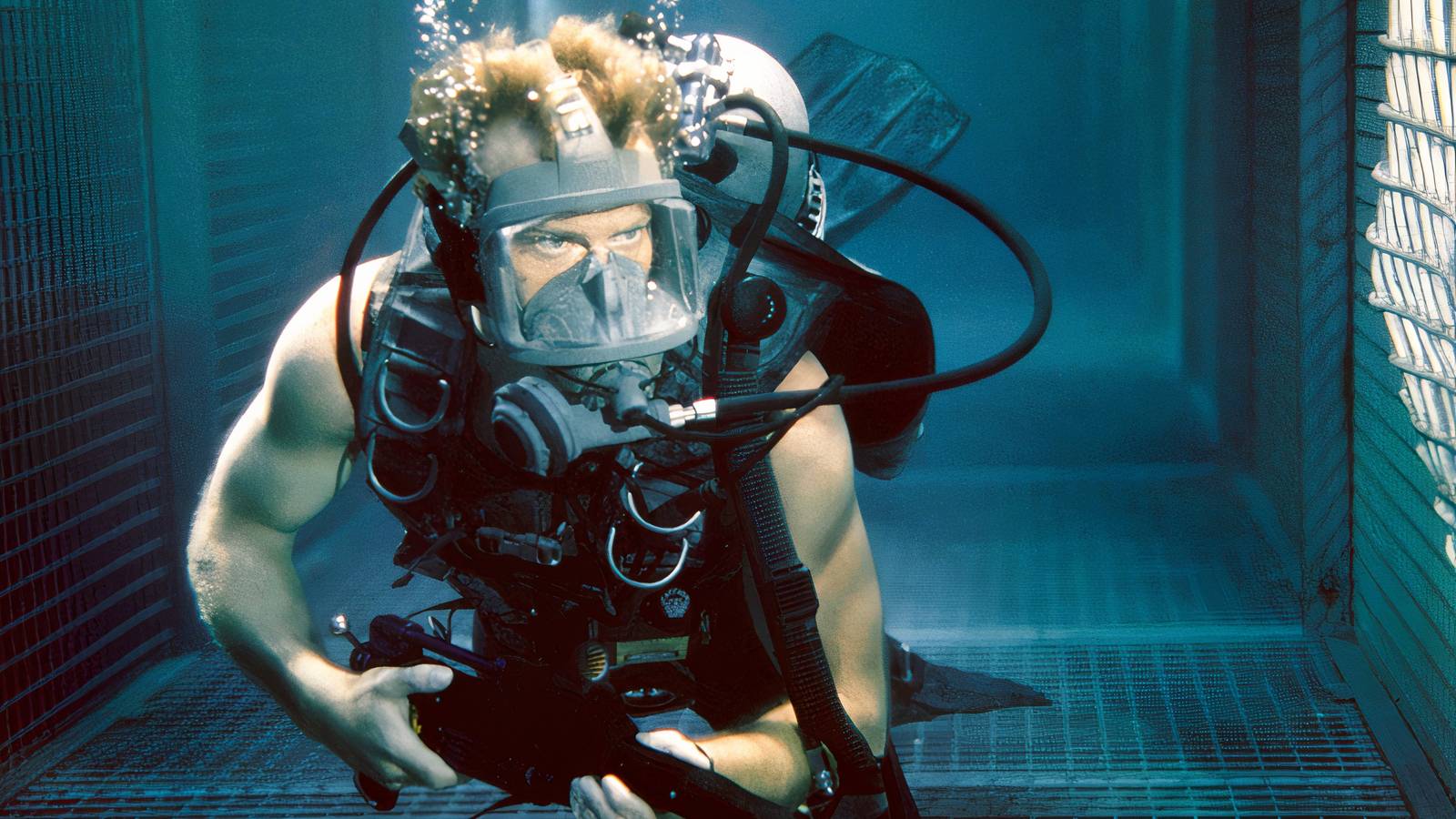
Certain cinematic moments possess a gravitational pull that transcends the films they belong to. Whether it’s a singular, iconic line of dialogue, a jaw-dropping action beat, or a twist so abrupt it leaves an audience reeling, some scenes become cultural touchstones—even for those who haven’t seen the movie in question.
A prime example of this phenomenon is Deep Blue Sea, which is currently available to stream for free on Tubi. Released in 1999, this sci-fi horror cult classic centers on a group of researchers trapped in a remote underwater facility. Their goal? To harvest brain tissue from genetically enhanced sharks to cure Alzheimer’s. Predictably, the experiment backfires, resulting in hyper-intelligent predators that are faster, deadlier, and far more cunning than anyone could have feared. Helmed by director Renny Harlin, the film features an impressive ensemble cast, including Samuel L. Jackson, Thomas Jane, Saffron Burrows, LL Cool J, Stellan Skarsgård, and Michael Rapaport.
Even a quarter-century later, the film remains legendary for pulling off one of the most audacious “fake-outs” in the history of the genre. Yet, the appeal of Deep Blue Sea extends well beyond its most famous surprise. At its heart, it is a masterclass in 90s creature-feature thrills, balancing inventive aquatic carnage with a charismatic cast and enough unpredictable pacing to keep viewers on the edge of their seats.
The most infamous beat, however, features a demise so sudden and hilariously jarring that it’s impossible to watch without a stunned laugh.
[Ed. note: Major spoilers follow for the first half of Deep Blue Sea.]By the late 90s, Samuel L. Jackson had cemented himself as one of Hollywood’s most bankable and recognizable A-listers. Following stellar performances in Pulp Fiction, Die Hard with a Vengeance, and Jackie Brown, audiences instinctively saw him as the quintessential hero—the man who would lead the survivors to safety. Deep Blue Sea leans into this expectation with surgical precision, only to dismantle it when the audience is least prepared.
Deep into the second act, Jackson’s character, Russell Franklin, launches into a passionate, gravel-voiced monologue. It’s a trope we’ve seen countless times: the heroes have hit rock bottom, morale is shattered, and the leader steps up to deliver the “pep talk” that serves as the turning point for the film’s climax.

The big speech
“That’s enough now, from all of you!” Franklin booms, commanding the room. He launches into a haunting story about an avalanche and his struggle for survival, implying he resorted to cannibalism to live. It is a monologue designed to build grit and establish his status as the film’s definitive survivor.
“We’re going to pull together, and we’re going to find a way to get out of here!” he bellows, reaching the crescendo of his speech. “First, we’re going to seal off this pool—”
Before he can finish, a shark breaches the water and snaps him up in a single, lightning-fast motion. It’s a moment that treats Hollywood narrative tropes with absolute contempt, proving that in this facility, no one is safe.
Jackson requested his own exit
Ironically, this iconic beat almost didn’t exist in the way we remember. In a 2019 conversation with Befores & Afters, visual effects supervisor John Okun revealed that Samuel L. Jackson had grown weary of a massive, seven-page monologue that he found lackluster.
According to Okun, Jackson told him, “You know, why don’t you just kill me?” After struggling through numerous takes with the original script, the team realized that ending the speech abruptly was a stroke of genius. The resulting scene became an instant sensation because it defied every expectation of a blockbuster lead.
Decades later, Deep Blue Sea remains a benchmark for the creature-feature genre. It’s smart enough to know when to play with conventions and bold enough to shatter them when they get stale. With it now streaming on Tubi, it’s the perfect time to revisit one of cinema’s most legendary, shark-induced interruptions.
Source: Polygon
Related articles
 Threezero Unveils Iron Man Mark I Tony Stark Figure
 Blizzard Announces Diablo Adaptation Eight Years After Initial Reports
 Gary Oldman Explains Why the Harry Potter TV Series Could Outperform the Movies
 Filming Wraps on Mystery Inc. Prequel Series Scooby-Doo! The Beginning
 Second Season of Ice Wall Receives New Trailer Featuring Opening and Ending Themes
 Trailer Released for Second Season of Anime Anthology GROTESQQQUE
 Forgotten Magic: The Gathering Planeswalker Spikes Over 1,000% Thanks to New Combo
 Unusual Fighting Game Receives Positive Reviews and Free Release on Steam