
How a Two-Second Shot Dragged Pixar Into the Culture Wars Ten Years Ago
A decade has passed since Finding Dory arrived in theaters, continuing the legacy of one of Pixar’s most beloved franchises. Released in 2016 and featuring returning stars like Ellen DeGeneres and Albert Brooks, the film focused on Dory’s personal journey, delving into her early life and the challenges posed by her memory loss. While the sequel to 2003’s Finding Nemo had been a passion project in development for years, it unexpectedly became a flashpoint for debate—marking a milestone in Pixar’s evolving history of queer representation due to a blink-and-you-miss-it two-second scene featuring a same-sex couple.
The history of how Pixar and Disney handle LGBTQ+ characters has long been a subject of intense scrutiny. The conversation ignited well before the film’s release; after the trailer surfaced, fans were quick to spot two women walking with a stroller. This brief glimpse sparked immediate speculation, with many hoping it represented a long-overdue step forward for diversity in mainstream animation.
Even though the scene remained intact—appearing during one of the film’s chaotic action sequences—the lack of explicit context kept the discourse alive, forcing the filmmakers to address the public’s curiosity. “They can be interpreted however you wish,” co-director Andrew Stanton explained to USA Today at the time. “There is no definitive right or wrong interpretation.” Producer Lindsay Collins added, “We never explicitly defined them,” while Stanton concluded that they treat background characters with the same narrative ambiguity throughout their films.
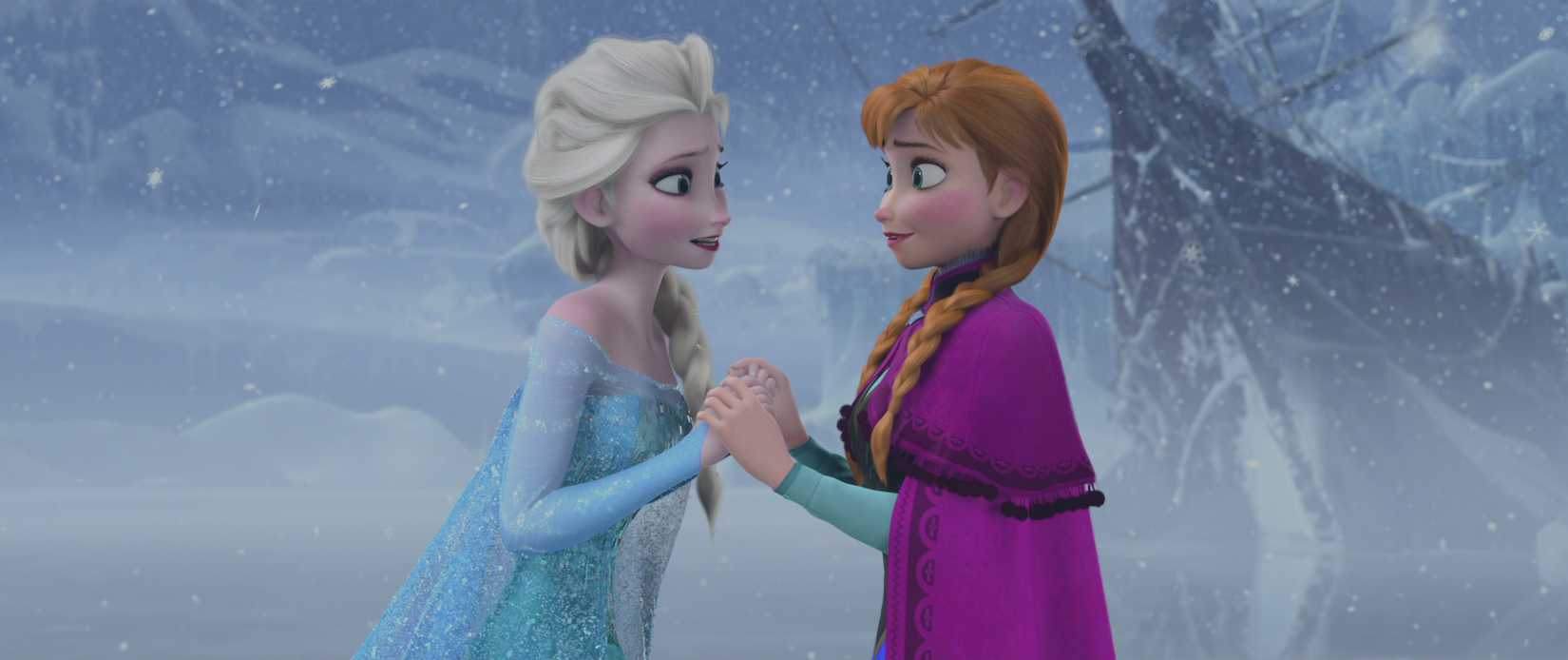
During this era, social media campaigns advocating for broader representation in Disney films gained serious momentum. High-profile movements, such as the push to “Give Elsa a Girlfriend” during the lead-up to Frozen 2, highlighted a growing desire for inclusivity. Similarly, fandoms surrounding Marvel characters—particularly the online obsession with pairing Steve Rogers and Bucky Barnes—demonstrated how audiences were craving more authentic queer representation. Coming shortly after the legalization of same-sex marriage in the U.S. in 2015, these conversations reflected a significant cultural shift.
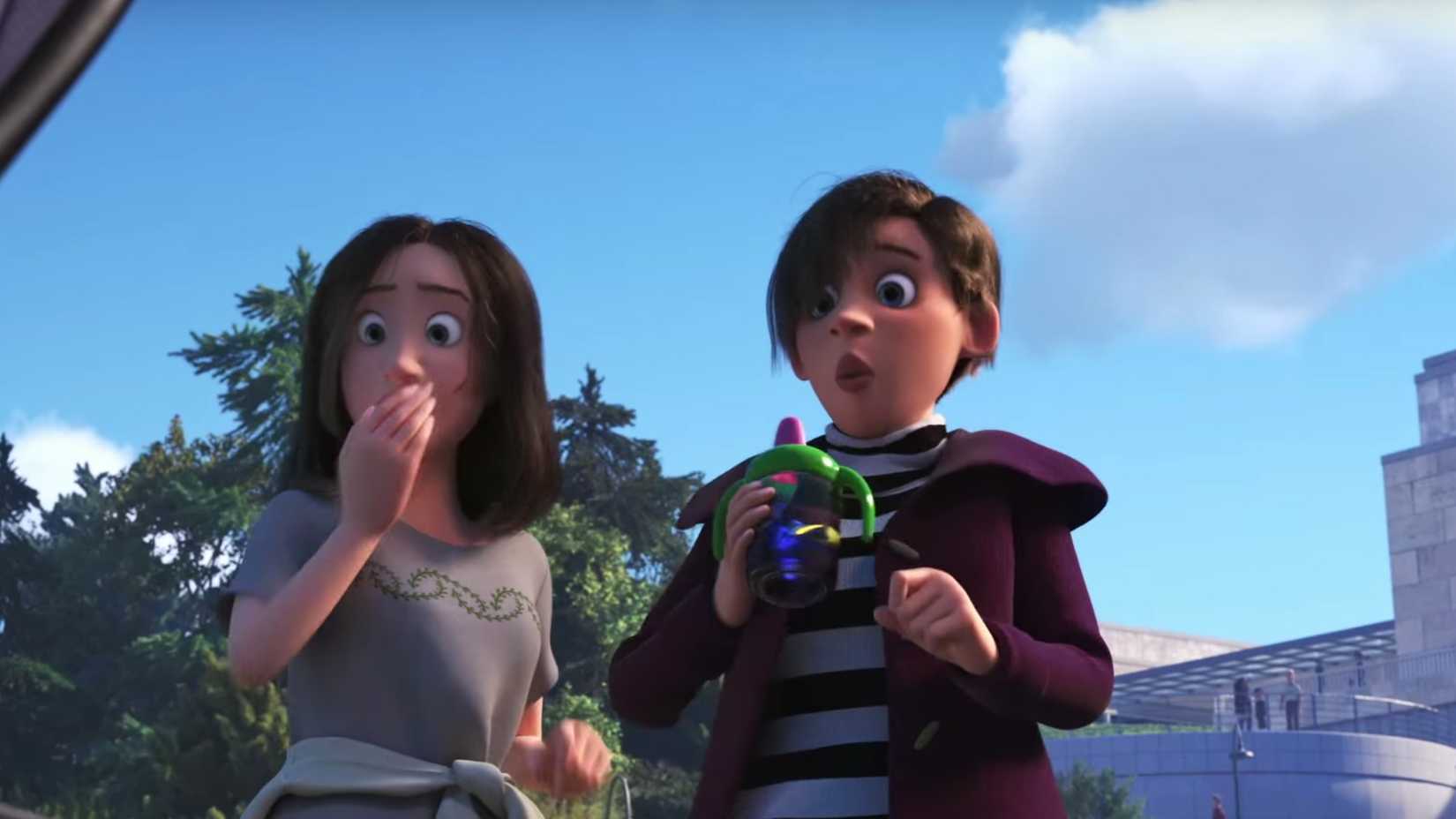
While the “aquarium moms” were never officially confirmed as queer, they were widely embraced by fans as a breakthrough. That same year, Zootopia also featured a same-sex couple—Judy Hopps’ boisterous neighbors, Bucky and Pronk Oryx-Antlerson—though their status was only revealed in the closing credits. Progress continued in the Marvel Cinematic Universe, with Valkyrie’s bisexuality being referenced and a cameo in Avengers: Endgame featuring a man speaking openly about losing his husband.
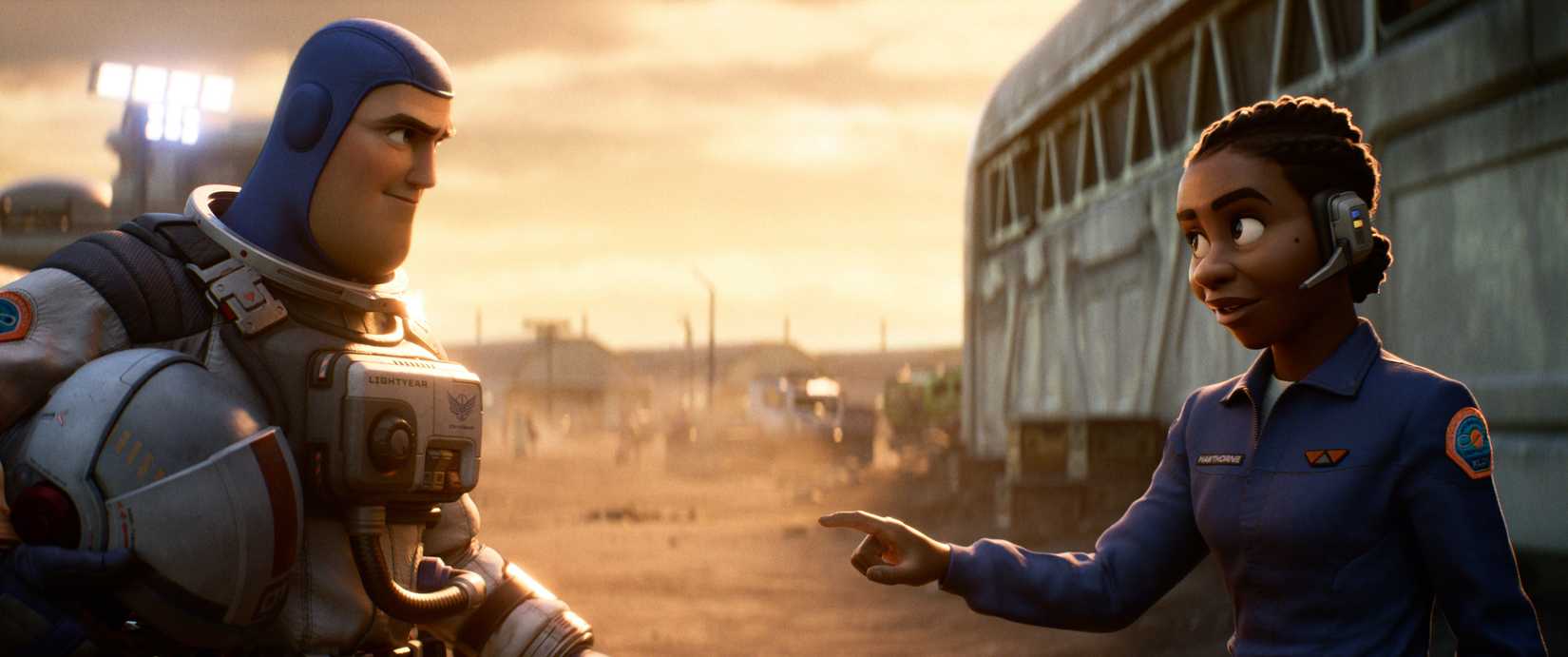
The debate eventually culminated in 2022 with Lightyear, which presented Pixar’s most explicit queer character to date. Alisha Hawthorne’s marriage and on-screen kiss were essential to her narrative arc. Despite intense pressure to censor the scene, the studio stood by it, leading to the film being banned in numerous international markets. More recently, Strange World introduced Pixar’s first prominent gay teen romance between Ethan Clade and his crush, Diazo, signaling a new direction for the studio.
Looking back, Finding Dory remains a heartwarming film that successfully expanded the original’s emotional depth. While it may not have eclipsed the massive cultural footprint of Finding Nemo, it is fondly remembered for Ellen DeGeneres’s endearing performance and its empathetic, layered approach to exploring disability, alongside its accidental role as a pioneer in modernizing animation’s approach to representation.
Source: Polygon
Related articles
 Dataminer Finds Dead Space Crossover in Battlefield 6 Files
 First Gameplay Footage of Neo Berlin 2087 Released
 Stellar Blade: Blood Rain Criticized by Players as Developers Acknowledge Errors
 Microsoft is reportedly preparing a negative change for Windows 11 gamers
 Microsoft Reportedly Developing Technology to Convert Discs Into Digital Xbox Games
 Three Major Xbox Games Cannot Be Converted to Digital Versions
 Analysts Predict Strong Sales for New The Witcher 3 DLC
 Christopher Judge Explains Why He Did Not Return as Kratos in God of War Series