Game of Thrones succeeds in a storytelling dynamic that Star Wars still struggles to master

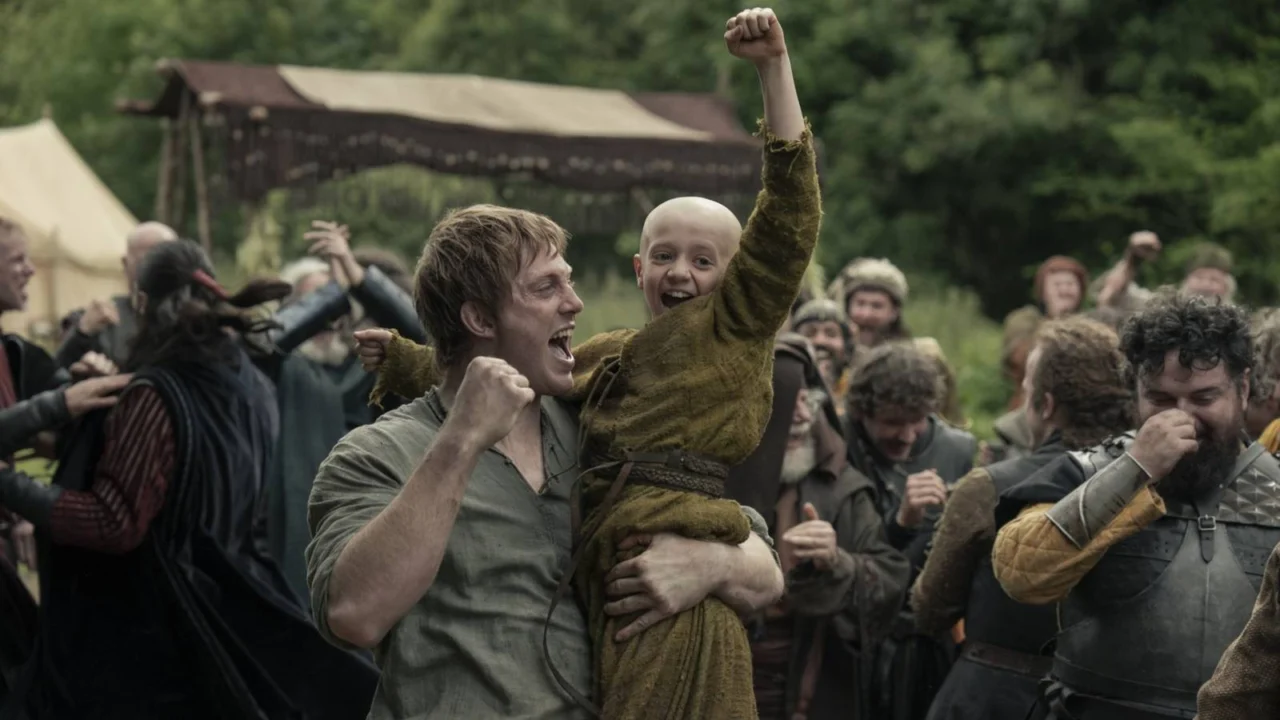
In A Knight of the Seven Kingdoms, George R.R. Martin revisits one of the most effective storytelling blueprints from the Game of Thrones universe: the compelling “lone wolf and cub” dynamic established by Arya Stark and Sandor Clegane. This prequel, based on The Hedge Knight novella, follows the wandering Ser Dunk the Tall (Peter Claffey) and his diminutive squire, Egg (Dexter Sol Ansell), as they navigate the treacherous landscapes of Westeros, examining the true weight of chivalry in a land often devoid of it.
The concept of a grizzled protector tethered to a vulnerable ward is a recurring pillar of modern pop culture. We’ve seen variations of this archetype in Logan, The Last of Us, and The Witcher, all of which draw inspiration from the seminal manga Lone Wolf and Cub. Most recently, The Mandalorian catapulted this trope to new heights with Grogu. However, as “Baby Yoda” became a global phenomenon and a merchandising juggernaut, the emotional core of the relationship began to feel secondary to the character’s marketability.
Unlike Grogu, who often functioned as a passive plot device, A Knight of the Seven Kingdoms grants its younger protagonist genuine agency. Much like Arya, Egg is a fully realized participant in the story, making pivotal choices that steer the narrative. The series avoids the pitfall of making the story entirely about the “cub,” instead maintaining a sophisticated balance between the two leads.

[Spoiler Alert: Details regarding episode 3, “The Squire,” follow.]
While lore enthusiasts know that Egg is destined to become King Aegon V Targaryen, the show focuses on his humble beginnings. Dunk serves as the narrative’s engine, driven by his own knightly aspirations rather than a secret royal mission. As a squire, Egg is subjected to the rigors of discipline and the harsh realities of common life. Under Dunk’s mentorship, Egg’s perspective is widened, potentially sparing him from the arrogance and dysfunction that often plague the Targaryen dynasty.
The brilliance of the Dunk and Egg pairing lies in their mutual growth. While Dunk acts as a shield, Egg is far from a helpless ward. Like Arya, he possesses a sharp wit and a surprising boldness that often eclipses his elder. While Arya was shaped by a brutal, violent upbringing, Egg possesses a different kind of steel—one that allows him to face danger without flinching, yet without losing his inherent humanity.
This stands in stark contrast to Grogu’s development. In The Mandalorian, whenever the child faces a threat, he typically relies on a sudden burst of Force power to resolve the situation. These moments rarely offer insight into Grogu’s psyche or personal growth; instead, they serve as spectacles that impact the Mandalorian’s journey more than his own.

The most significant missed opportunity for Grogu’s character came at the end of Season 2. His choice to train with Luke Skywalker promised a massive shift in his arc, yet Season 3 effectively reset the status quo almost immediately. The emotional fallout of that separation was largely outsourced to The Book of Boba Fett, leaving the main series feeling emotionally stagnant.
With the theatrical release of The Mandalorian and Grogu on the horizon, there is hope for a more substantial character arc for the little green Jedi. However, A Knight of the Seven Kingdoms proves that the Game of Thrones franchise has already perfected this formula. By leaning into a smaller, character-driven story, Martin’s world captures the heart of the “lone wolf” trope with a structural confidence that feels both classic and refreshingly new.
Source: Polygon
Related articles
 New Resident Evil Film Nears $400 Million at Global Box Office as Director Discusses Sequel Plans
 Austin Wintory Reveals Early Music Sketches He Wrote for Mass Effect 5
 Vincent D’Onofrio Denies Rumors of Kingpin’s Return After “Daredevil: Born Again” Finale
 Sandra Hüller Played a Role in Avengers: Doomsday
 GTA 6’s Rumored Lucia Actor Breaks Silence With Rare Live Appearance
 Warhammer Team Showcases Golden Demon 2026 Miniature Painting Winners at SPIEL Essen
 Delicious in Dungeon Season 2 Character Illustrations Shown
 Report: Sucker Punch, Developer of Ghost of Yōtei, Hit by Layoffs