
Francis Ford Coppola’s Dracula Slowly Feeds Audiences Equal Parts Fear and Romance

I’m an obsessive fan of Bram Stoker’s 1897 novel Dracula, and that makes most screen adaptations difficult for me to enjoy. Too often filmmakers either stray so far from the source that the story’s slow-burn dread is lost, or they substitute atmosphere with cheap jump scares. Francis Ford Coppola’s 1992 film Bram Stoker’s Dracula, however, remains for me the richest and most faithful cinematic realization of the book’s tone and emotional undercurrents.
The movie features a luminous ensemble: Gary Oldman inhabits the title role, Keanu Reeves plays Jonathan Harker, Winona Ryder is Mina Murray, and Anthony Hopkins portrays Dr. Abraham Van Helsing. Oldman’s layered, eccentric portrayal of Dracula, in particular, sets a new benchmark for the character on screen.
Many adaptations reduce Dracula to a single archetype — either a repellent, ratlike monster (think Nosferatu) or an alluring romantic antihero. Stoker’s Count is neither one-dimensional villain nor pure tragic lover; he’s both. Coppola’s interpretation finally honors that complexity, treating Dracula as a predator and a deeply lonely, damaged soul.
 Image: American Zoetrope
Dracula’s monstrous true self is undeniably grotesque, yet the persona he adopts among humans — especially Mina — is suave, magnetic, and oddly sympathetic. Oldman emphasizes the Count’s exile from humanity: beneath the charm lies a creature exhausted by immortality. Yes, he manipulates minds and preys on victims, but he also presents as a cultivated, bored aristocrat whose isolation is almost pitiable. Mina’s presence reawakens something in him, and the chemistry between Oldman and Ryder makes several scenes feel heartbreakingly ambivalent — you can find yourself identifying with him even as you recoil.
Coppola surrounds that ambiguity with opulent visuals: lavish, Academy-winning costumes; richly detailed, Oscar-nominated production design; and striking cinematography. Rather than using spectacle only for spectacle’s sake, the film employs its beauty to disarm the viewer, mirroring how Dracula’s graceful guise conceals his true nature — and then, when least expected, it delivers jolting, primal horror.
Where to watch: Netflix
Polygon’s annual Halloween Countdown is a day-by-day selection of recommended horror films, series, episodes, and specials to stream throughout October. You can see the full calendar here.
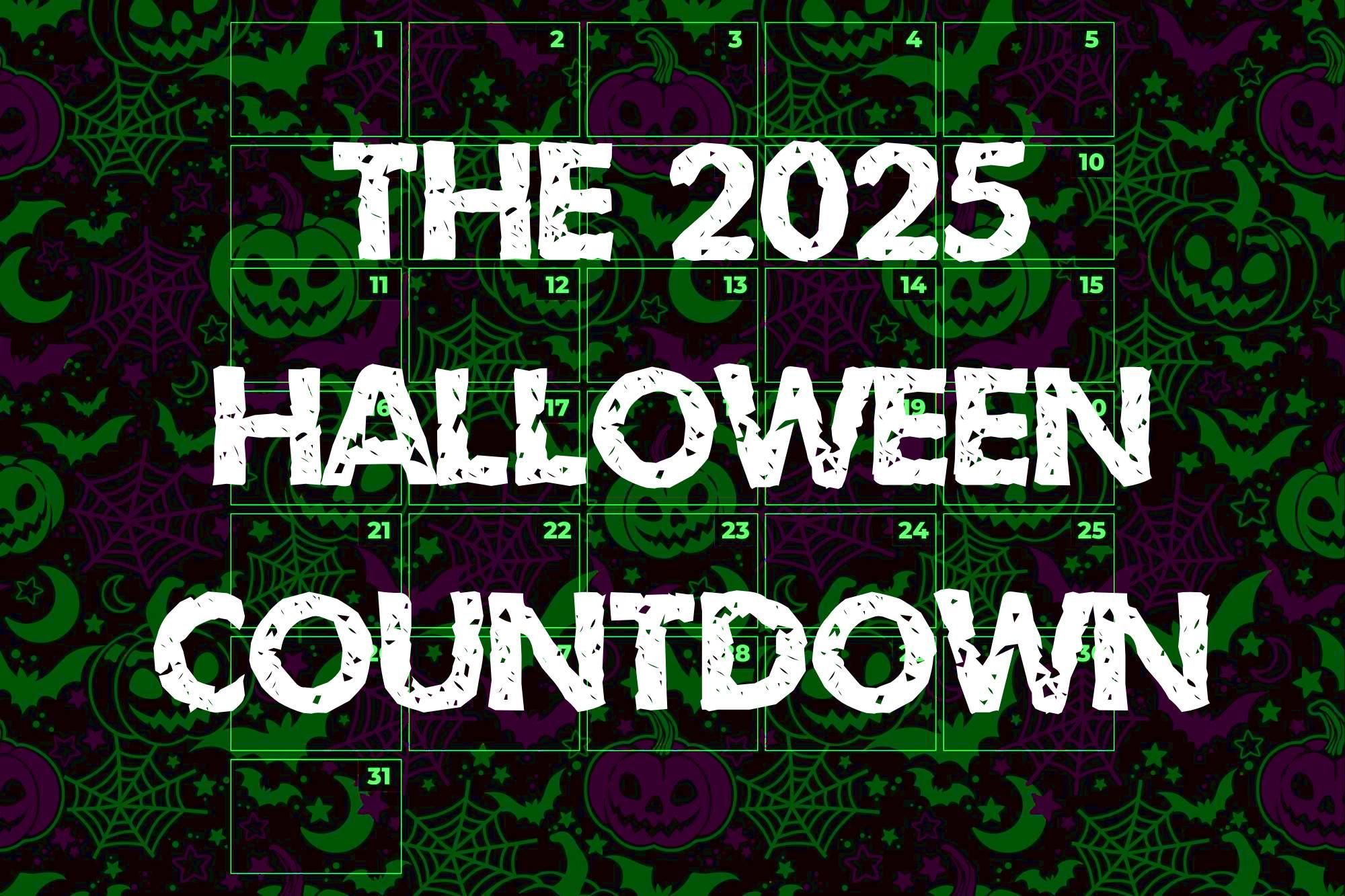
Source: Polygon
Related articles
 Zach Cregger Will Not Direct Franchises After “Resident Evil”
 The Rolling Stones to Receive a Biopic
 “Spider-Man: Brand New Day” breaks all-time US record
 “Prime Time” starring Robert Pattinson receives critical reviews
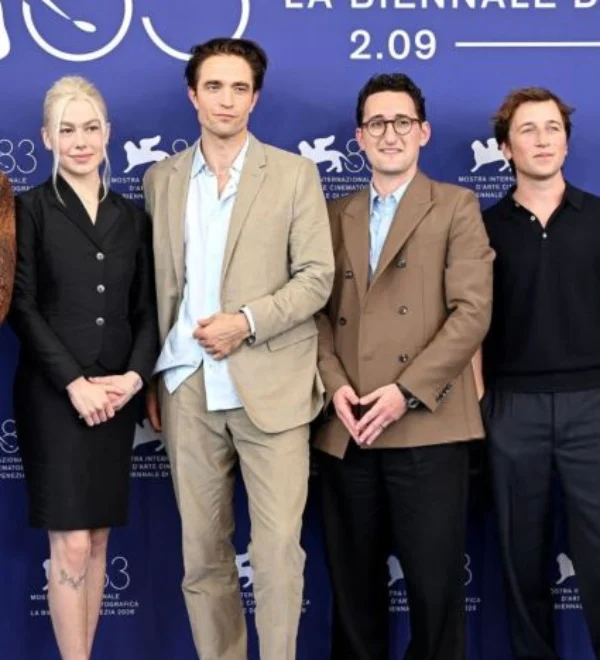 Robert Pattinson Responds to Chris Hansen’s Complaints About the Movie “Primetime”
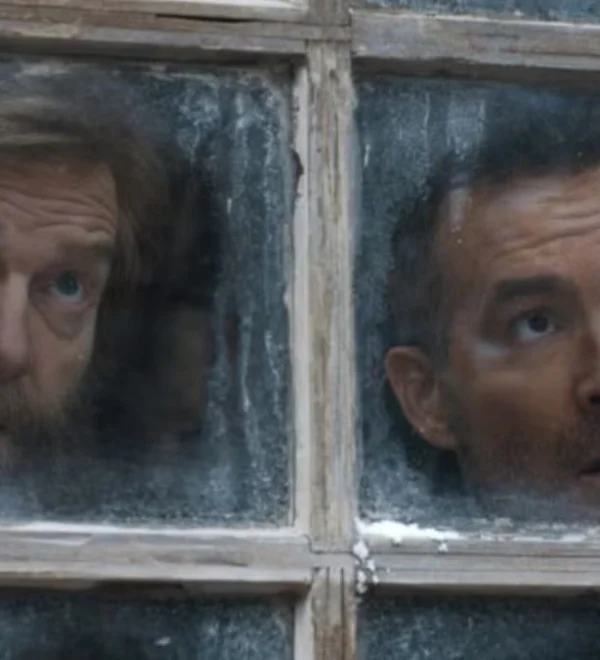 Ryan Reynolds’ “Mayday” receives positive reviews from critics
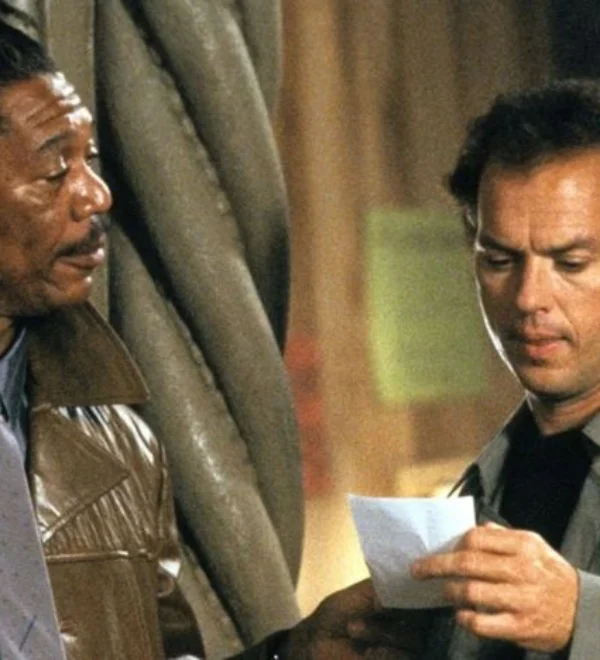 Michael Keaton to Direct Western Starring Morgan Freeman
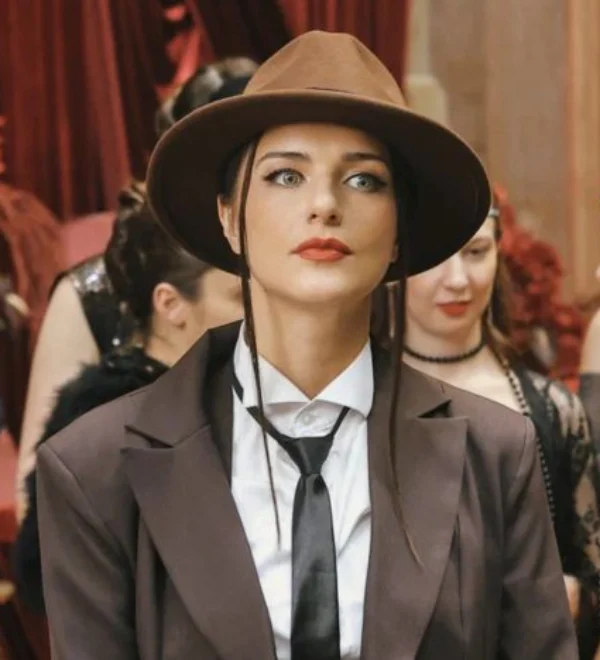 “Daddy’s Daughters” wedding sequel to be released in 2027