DC’s New Batman Movie Finally Fixes Christopher Nolan’s Biggest Dark Knight Mistake

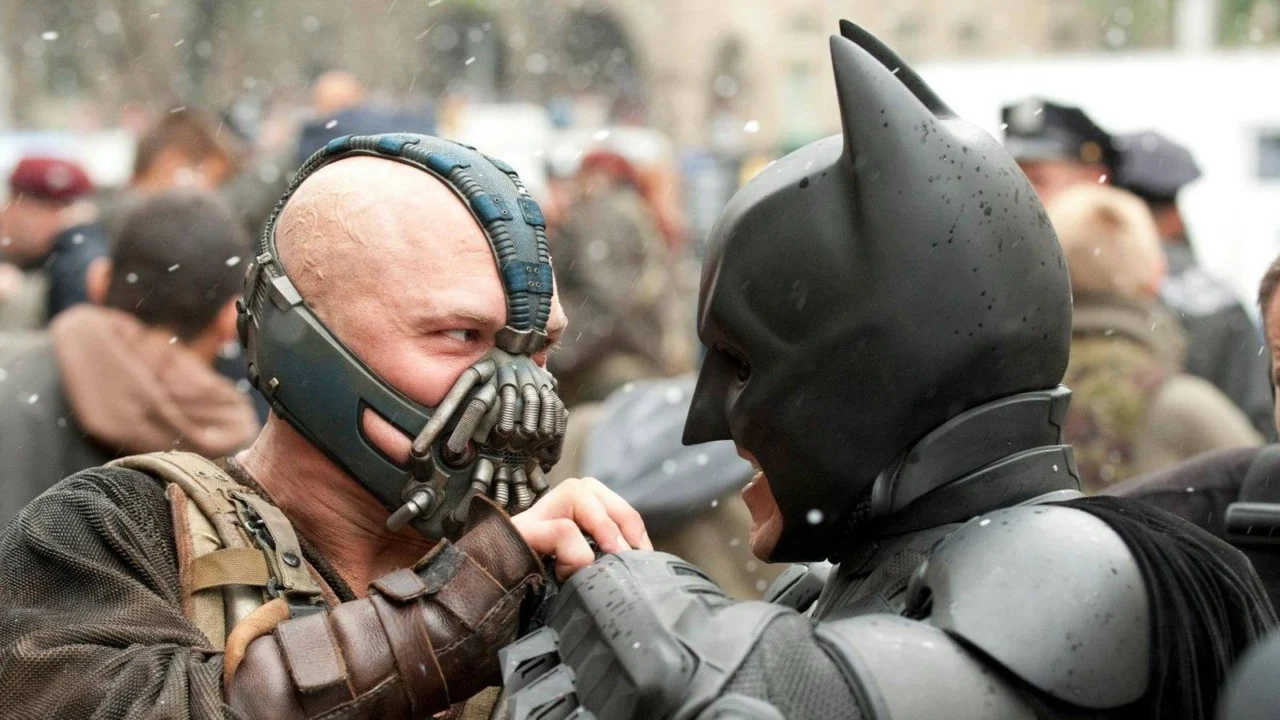
Christopher Nolan’s tenure directing the Batman franchise provided the silver screen with several iconic antagonists. While Heath Ledger’s Academy Award-winning Joker remains the definitive high-water mark, the series was also bolstered by Cillian Murphy’s chilling Scarecrow, Liam Neeson’s imposing Ra’s al Ghul, and the multifaceted tragedy of Aaron Eckhart’s Two-Face. Conversely, Tom Hardy’s portrayal of Bane often felt like a narrative stumble, burdened by an eccentric vocal affectation and convoluted master plans. Fortunately, a new animated trilogy is finally rectifying the character’s legacy, capturing the true menace of Gotham’s most formidable physical threat.
[Editor’s Note: This piece contains spoilers for Batman: Knightfall – Part 1]
Unveiled at the Annecy Festival, Batman: Knightfall serves as a faithful adaptation of the legendary 1993-1994 DC Comics arc. Much like the publisher’s approach to The Death of Superman, the original Knightfall event was born from a desire to revitalize stagnant sales through high-stakes, shocking storytelling. Where Doomsday functioned as a blunt instrument to break the Man of Steel, Bane was introduced as a calculating tactician designed to systematically dismantle the Dark Knight, ultimately forcing the emergence of the Bat-Family.
Nolan’s cinematic conclusion relegated Bane to a secondary pawn under Talia al Ghul, a decision that arguably diminished both characters. While not as egregious as the version seen in 1997’s Batman & Robin, this narrative pivot robbed Bane of his status as a singular, independent mastermind. The only silver lining of Hardy’s iteration was the endless fodder it provided for Harley Quinn’s satirical humor.
Unlike The Dark Knight Rises, which viewed Bane primarily as a hulking enforcer, director Jeff Wamester and screenwriter Jeremy Adams present a version of the villain that balances raw, unadulterated power with tactical genius. While Nolan’s film drew inspiration from The Dark Knight Returns, focusing on an aging Bruce Wayne in decline, Knightfall – Part 1 depicts a methodical psychological and physical attrition. Here, Michael Mando’s performance breathes life into a Bane who treats Gotham’s hero as a puzzle to be solved and eventually crushed.
The film captures the grim, subterranean origins of Bane within the Santa Prisca prison. It’s an inherently absurd premise—a man building himself into an apex predator through sheer willpower, rats, and a steady supply of illicit experimental steroids—yet the film treats the transformation with a grounded intensity that makes his later threat feel earned.
Clocking in at a brisk 80 minutes, Part 1 wastes no time establishing the stakes. Through sharp, efficient storytelling, we see a Batman already pushed to the brink by the departure of Dick Grayson and the lingering trauma of past failures. By orchestrating a massive breakout at Arkham Asylum, Bane forces Batman into a relentless gauntlet of attrition against his greatest rogues. Each encounter strips away a layer of Bruce Wayne’s resolve, leaving him physically fractured and emotionally vulnerable.
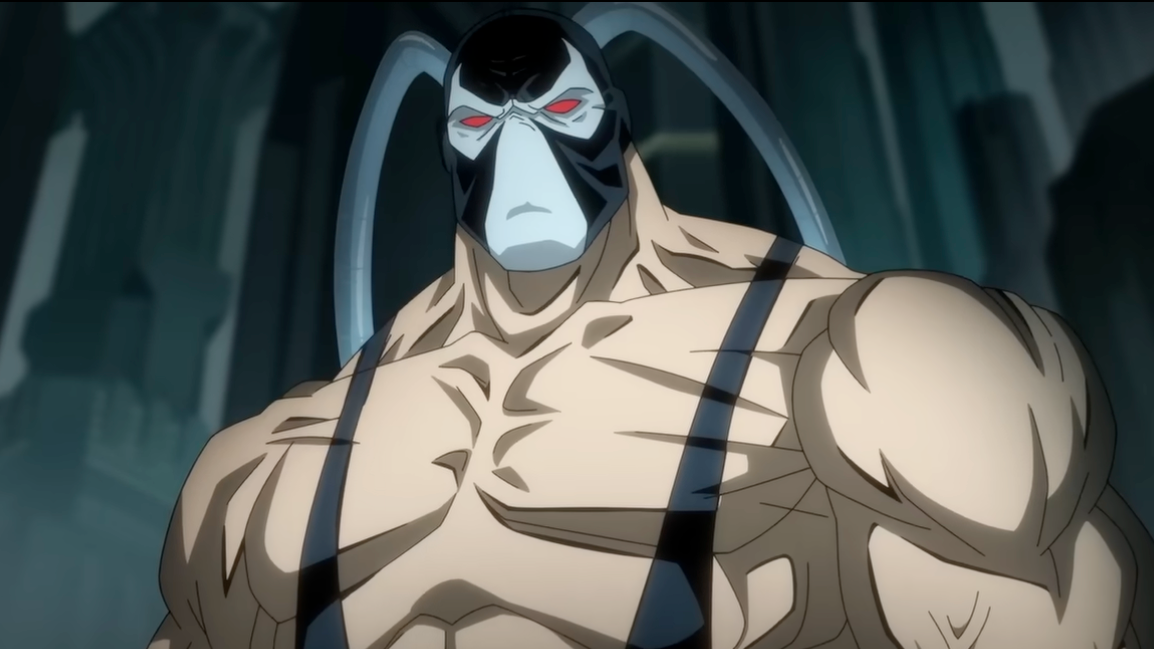
The decision to utilize an R-rating allows Studio Mir to lean into the visceral reality of Bane’s combat style. The violence here is raw, immediate, and impactful, underscoring the lethal nature of a man who can effortlessly snap bones. Because this Batman is still reeling from the death of Jason Todd, his protective instincts toward Tim Drake feel urgent and desperate. By the time the inevitable confrontation arrives, the audience understands that Bane isn’t just fighting a man; he is shattering the very spirit of Gotham. Instead of hiding Batman away, he delivers a broken hero to the police to signal that the old order has officially fallen.
While this animated trilogy may lack the global footprint of a blockbuster, it succeeds where previous iterations failed: it respects the narrative weight of the source material. By treating the recovery and the rematch as arduous, life-altering hurdles rather than quick fixes, this series offers the definitive adaptation of the Knightfall saga. For those who felt the original cinematic portrayal of Bane fell short, this trilogy is a long-overdue correction, proving that more than three decades after his debut, Bane is finally receiving the menacing, masterful treatment he has always deserved.
Source: Polygon
Related articles
 Lies of P Developers Register Trademark for Wonders of O
 Composer Mick Gordon Contributed to Music for First StarCraft Shooter Trailer
 Insomniac Fails to Explain Logan’s Telepathic Link to Jean Grey in Marvel’s Wolverine
 Stephen King Time Travel Thriller 11.22.63 Is a Top Streaming Sci Fi Series
 Tempest Rising Expansion The Veti’s Wrath Gets Release Date and New Campaign
 Crimson Desert Expansion Release Canceled in Multiple Regions
 Classic Detective Thriller Series Angel Streams Free on Tubi
 Graveyard Keeper 2 Demo Released Alongside Gameplay Trailer