Christopher Nolan, the visionary architect behind the Dark Knight trilogy and mind-bending odysseys like Inception and Interstellar, rarely misses the mark. Whether measured by box office dominance or critical acclaim, his filmography is almost peerless. However, the most debated entry in his storied career remains Tenet. Released in 2020, this sci-fi thriller occupies a strange space: to some, it is a labyrinthine masterpiece; to others, an over-engineered puzzle. In reality, it is both—a polarizing work of art that demands as much from its audience as it provides in spectacle.
While often mistaken for a traditional time-travel flick, Tenet operates on the more complex principle of “inversion”—the ability to reverse the entropy of objects or people. This allows a firearm to “catch” a bullet previously lodged in a wall or a character to experience the world moving backward around them. Within this high-concept framework, the film follows an unnamed operative (played by John David Washington and referred to simply as “The Protagonist”) as he joins a secret organization to prevent a temporal Cold War. Their adversary? Andrei Sator, a ruthless Russian oligarch portrayed with chilling intensity by Kenneth Branagh. To say the narrative is dense would be an understatement.
It is impossible to analyze Tenet without considering the unprecedented circumstances of its debut. Originally slated for a numerically poetic release on July 17, 2020 (7/17, mirroring the title’s palindromic nature), the film became the focal point of a global industry crisis. As the COVID-19 pandemic shuttered cinemas, Tenet became the “canary in the coal mine.” While other overlooked projects were unceremoniously dumped into empty theaters, or sent directly to streaming, Nolan insisted on a theatrical-first approach. This stance eventually led to a public fallout with Warner Bros., prompting the director to seek a new creative home for his future projects.
Despite the limited capacity of theaters in late 2020, Tenet managed to rake in over $365 million globally. Under normal circumstances, it’s easy to envision the film grossing twice that amount. Even as major superhero franchises struggle to reclaim their billion-dollar glory, Nolan remains one of the few directors whose personal brand serves as a bulletproof guarantee of audience interest.
Critically, the film remains a lightning rod for discussion. A “fresh” but modest 70% score on Rotten Tomatoes suggests that even Nolan’s admirers found the experience taxing. If Inception required a notepad to track its dream layers, Tenet demands total immersion. This difficulty is compounded by notoriously dense sound mixing that often buries vital exposition under an earth-shaking score, making subtitles almost mandatory for first-time viewers.

“Does your head hurt yet?” asks Neil, the charismatic handler played by Robert Pattinson. While he is nominally discussing the Grandfather Paradox, the line feels like a meta-commentary on the viewing experience. It echoes an earlier scene where a scientist advises the Protagonist—and the audience—to stop trying to logically parse the mechanics: “Don’t try to understand it. Feel it.”
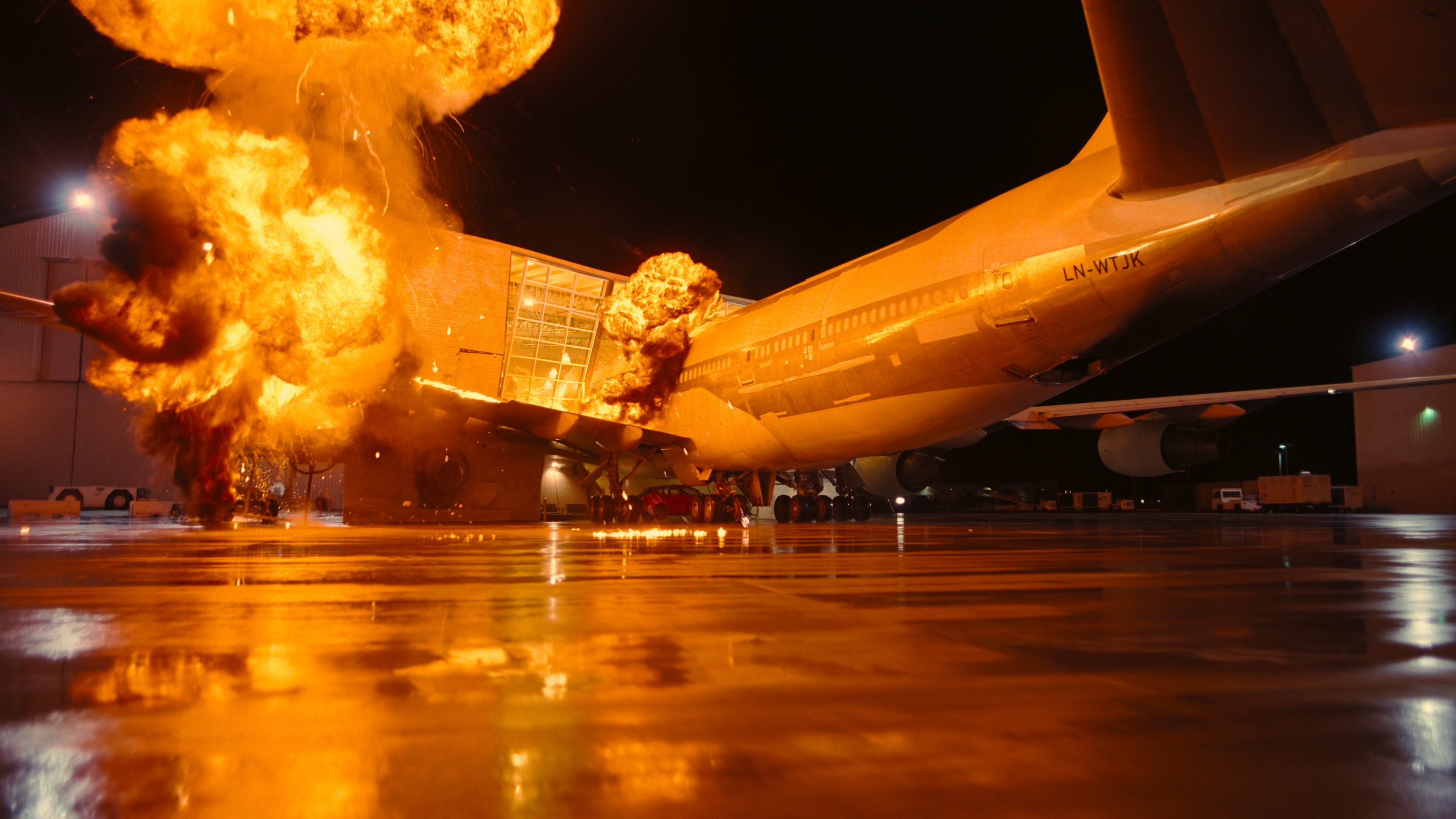
Once you surrender to that advice, Tenet becomes an visceral triumph. The set pieces are nothing short of breathtaking. From a brutal kitchen brawl to the practical destruction of a real Boeing 747, Nolan’s commitment to tactile filmmaking is on full display. The centerpiece is arguably a highway chase involving inverted vehicles that un-crash themselves in real-time—a feat of choreography and editing that remains unparalleled in modern action cinema.
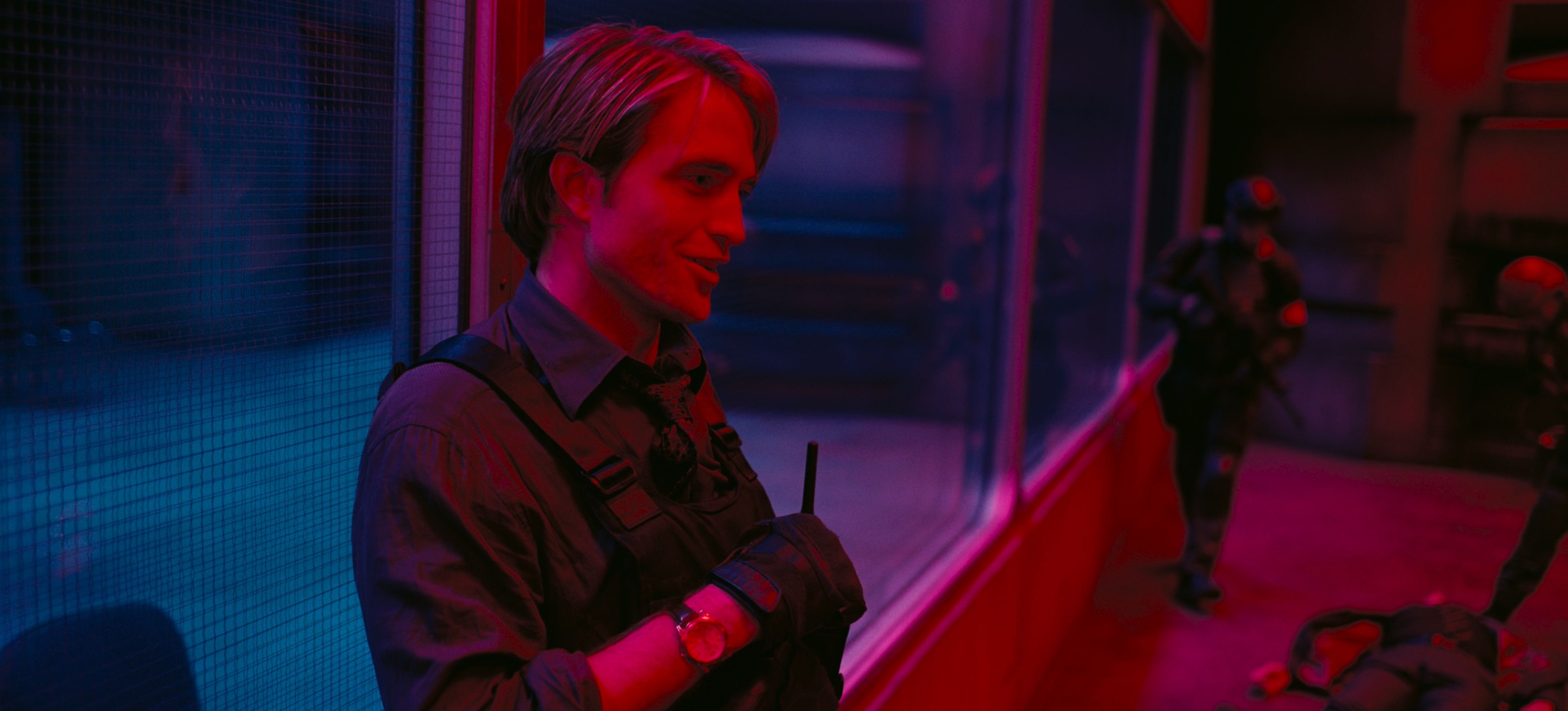
If there is a legitimate critique of the film, it lies in its emotional coldness. Nolan is so preoccupied with the clockwork of his plot that the characters often feel like cogs in a machine. Washington’s Protagonist is a stoic vessel for the audience, though Robert Pattinson provides a much-needed spark of levity. Interestingly, even Pattinson admitted to being occasionally lost during production. Yet, upon a second viewing, his performance reveals a layer of tragic depth that makes the film’s conclusion surprisingly poignant.
The finale—a “temporal pincer movement” featuring two armies moving in opposite chronological directions—is the ultimate test of the viewer’s focus. It is chaotic, loud, and undeniably ambitious. Like a cinematic Rorschach test, the more you put into Tenet, the more you get out of it.
Revisiting the film five years later, its magnetism hasn’t faded. There is a rare, intoxicating energy in watching a filmmaker of Nolan’s caliber operate without a safety net. Tenet may be a closed loop, but it is one that invites you to hit “play” the moment the credits roll, searching for the clues you missed the first time around.
Source: Polygon