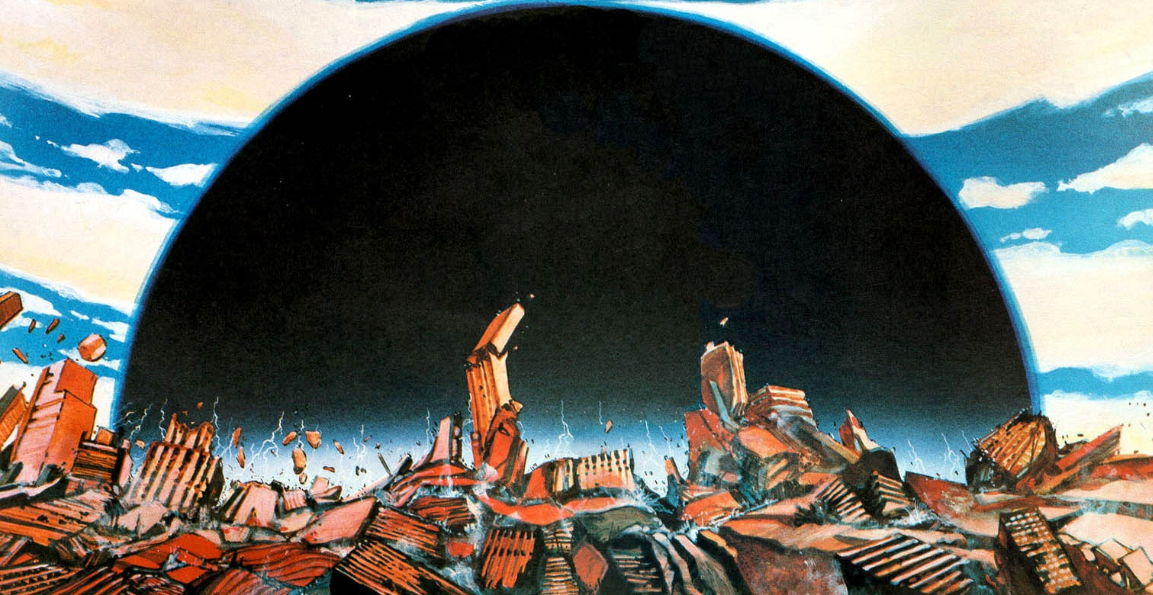
36 years later, the greatest cyberpunk saga ever finally got the happy ending it deserved

Every evocative cyberpunk narrative eventually carves out a sliver of optimism. Regardless of how suffocating or bleak a dystopian setting becomes, masterpieces like Psycho-Pass or Ghost in the Shell: Stand Alone Complex insist upon the indomitable nature of the human spirit. The definitive cyberpunk manga of the modern era follows this same trajectory, envisioning a future defined not by the exploitation of the weak, but by the pursuit of equity.
Six years after Katsuhiro Otomo began serializing his sprawling epic Akira in 1982, he directed a landmark anime adaptation of the then-incomplete saga. The 1988 film, Akira, transcended its medium to become a foundational pillar of the cyberpunk aesthetic, commanding a fervor and cultural influence that remains largely unparalleled.
The cultural footprint left by Otomo’s work is immense. From the ubiquitous “Akira slide” paying homage in everything from Pokémon to Jordan Peele’s Nope, the film’s exploration of youth alienation and sociopolitical instability has become the blueprint for dystopian science fiction. Yet, as stark and relentless as the film’s vision is, it diverges significantly from the source material, which concluded its official run on June 25, 1990.
Both iterations share a fundamental premise: in the ruins of a post-World War III Neo-Tokyo, a troubled teenager named Tetsuo Shima unravels after awakening terrifying telekinetic powers. His estranged friend, biker gang leader Shotaro Kaneda, rallies a fragmented resistance to contain the carnage before it levels what remains of the city.
At the center of this maelstrom is Akira, a legendary entity whose cataclysmic psychic energy leveled the original Tokyo. While the 1988 film distills these events into a frantic, condensed narrative, the six-volume manga offers a sprawling, multifaceted journey. To grasp the true thematic conclusion of Otomo’s work, one must venture far beyond the film’s truncated timeline.
In the cinematic version, Kaneda is the quintessential protagonist, but the manga shifts the focus, often sidelining him in favor of an intricate ensemble cast. Characters like the resistance fighter Kei and the mystic Lady Miyako gain significant depth, allowing for a broader tapestry that occasionally moves outside of Kaneda’s perspective.
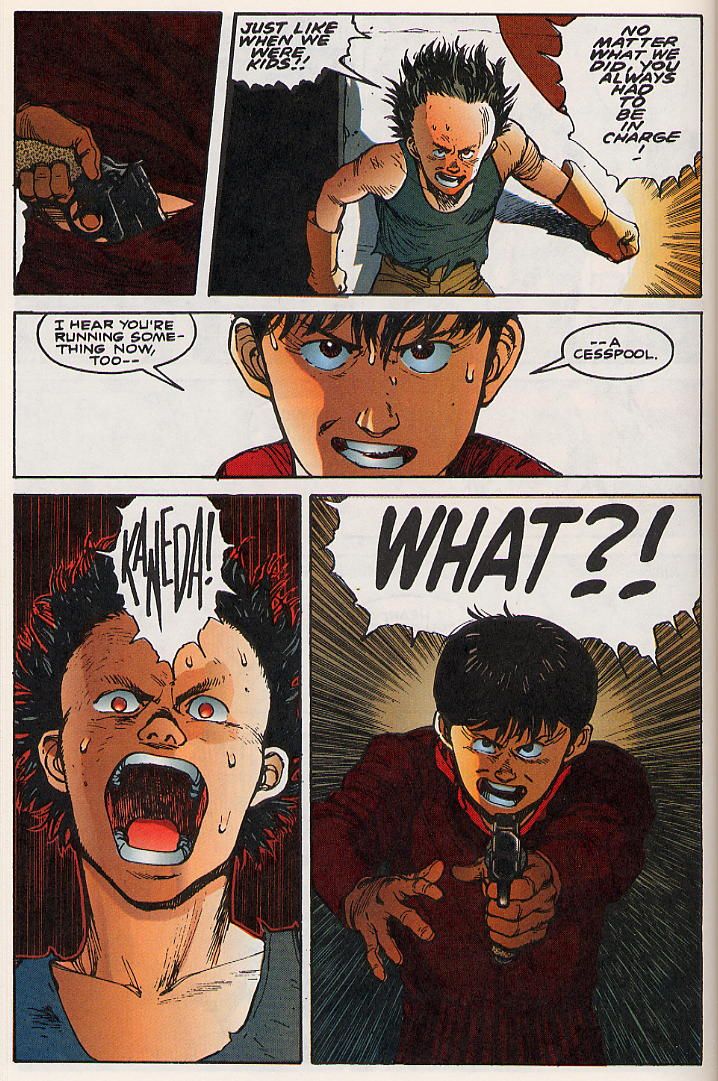
Tetsuo himself undergoes a profound metamorphosis in print. While the film portrays him as a tragic, sympathetic figure, the manga depicts him with far more volatility and malice. His resentment is fueled not just by envy toward Kaneda, but by the jagged trauma of a broken childhood. His path of destruction is less a linear tragedy and more a chaotic descent into madness, fueled by chemical dependency and a desperate need to find his footing in a world that has discarded him.
While the film treats Akira as a looming, mythical MacGuffin, the manga grants him a more tangible presence. When the entity is unearthed from cryogenic containment in Volume 3, it triggers a geopolitical scramble, turning Akira from a legendary ghost into a dangerous, sought-after reality.
Ultimately, the manga serves as an epic geopolitical drama. Neo-Tokyo becomes a battlefield of competing ideologies: the neo-religious fervor of the Great Tokyo Empire, the quiet defiance of Lady Miyako’s temple, the military stoicism of Colonel Shikishima, and the desperate insurgency of the resistance. The film captures the spirit of this conflict, but the manga provides the full, agonizing context of a society collapsing under the weight of foreign interference and internal rot.
The film ends with a potent, albeit singular, note of reconciliation between Tetsuo and Kaneda. It’s an intimate moment of shared vulnerability amidst the backdrop of total annihilation, signaling that even in the wake of such a tragedy, the embers of a new beginning remain. The manga, however, opts for a more complex, nuanced resolution. After the city is obliterated twice, the struggle between global powers and the emerging psychic manifestations reaches a final, explosive breaking point.
When Akira’s power finally consumes everything in its path, Kaneda steps into a leadership role of a different sort, rejecting the corrupt status quo. He attempts to forge a path that empowers the people rather than just the institutions. While the ending—featuring a resolute Kaneda and Kei—carries a sense of hope, it is tempered by the reality that rebuilding a society from its own ashes is never simple. It is a testament to resilience: even when the world is torn down, the potential for a more just future remains a fire that refuses to be extinguished.
Source: Polygon
Related articles
 Hayden Christensen Rumored to Return in Potential Darth Vader Film
 ‘Magical Explorer’ Anime Releases Second Trailer and New Poster
 EA Officially Responds to Iron Man Leak: “Well, That Didn’t Go As Planned”
 The Witcher 3 Geralt Cosplayer Arrives at Gamescom 2026 in a Steaming Bathtub
 The Dog Stars Release Date Window Announced for Disney Plus and Physical Media
 Star Wars: Zero Company Receives Highest Media Scores in 22 Years
 Extraction Shooter Active Matter Receives Major Update in Final Preparation for Steam
 Nvidia Shows Tides of Annihilation with Advanced Ray Tracing