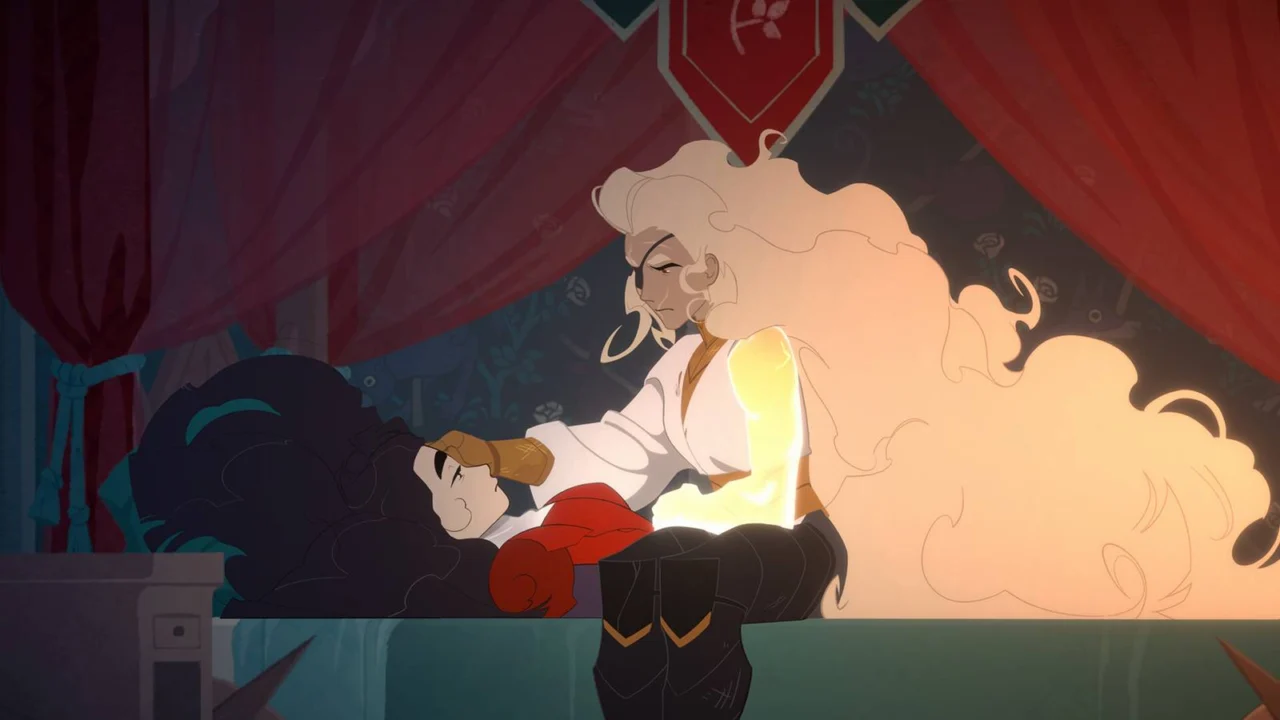
This Stunning Sword-Based Metroidvania Was the Best Game of GDC 2026
Every so often, a developer crafts an experience so transcendent that it earns them a permanent spot on your “must-watch” list. That was my reality in 2020 after experiencing Spiritfarer, the hauntingly beautiful “cozy management” title from Thunder Lotus Games. Its poignant exploration of grief and the afterlife resonated so deeply that I vowed to follow the studio’s every move. However, when they pivoted toward the multiplayer-centric 33 Immortals, I began to fear that their previous masterpiece was a lightning-in-a-bottle moment. My skepticism only deepened when I first saw At Fate’s End. While the 2D aesthetic was undoubtedly sharp, I worried it would lack the soul and distinctiveness that defined their earlier work. I am delighted to report that I was completely mistaken.
Thunder Lotus recently pulled back the curtain on At Fate’s End during this year’s Game Developers Conference, offering a 40-minute hands-on preview that proved this is far more than a standard side-scroller. It is a narratively rich exploration of generational trauma that takes bold, experimental risks with genre conventions. Emerging as a genuine standout of GDC, the game feels like the true spiritual successor that fans of Spiritfarer have been yearning for.
At first glance, At Fate’s End presents as a traditional Metroidvania. It features the hallmarks of the genre: a sprawling, lore-heavy gothic world, a suite of unlockable movement abilities, and high-stakes encounters with formidable warriors. Yet, the moment you dig into the mechanics, the comparisons to its peers begin to evaporate.

The narrative follows Shan, a descendant of the Hemlock bloodline who returns to her ancestral home following her mother’s passing. While she is destined to claim the throne and the mantle of the Princess of Swords, her siblings harbor deep-seated resentment toward her ascension. This set-up fuels a tense drama of succession, where bitter rivals must confront their own vulnerabilities. It mirrors the human-centric storytelling that made Spiritfarer so impactful, swapping out ghost-ship management for familial friction.
Surprisingly, the demo prioritized investigation over mindless hacking and slashing. Much of my time was spent navigating the family castle, unraveling the mystery behind the decline of Shan’s sister, Camilla. The game utilizes a clever deduction system where Shan interacts with the environment to gather “clues” represented as cards. Progressing requires the player to organize these clues into a logical chart, emphasizing environmental narrative and deductive reasoning over raw reflexes. It’s a refreshing change of pace that makes the world feel inhabited and purposeful.
Combat remains a core pillar, but even here, Thunder Lotus subverts expectations. During a pivotal duel with Camilla, the traditional rhythm of dodging and striking was interrupted by a mid-fight dialogue sequence. We weren’t just trading blows; we were arguing. The dialogue options I selected functioned as “attacks” in a psychological war, dealing damage based on the emotional weight of the words. The battle fluctuated between physical sparring and mental confrontation, eventually concluding not with a killing blow, but through a difficult emotional reconciliation.

This theatrical approach to boss encounters is what sets At Fate’s End apart. Rather than chasing the adrenaline rush of a “perfect run,” I found myself deeply invested in the possibility of mending these fractured relationships. It’s a brilliant evolution of the studio’s design philosophy, using familiar gameplay loops to service a much larger, more resonant story about the ties that bind us.
The mechanical depth isn’t sacrificed for the sake of the story, however. Shan gains traversal skills like double-jumping through versatile Tarot cards, each offering dual-sided equippable perks. The progression system is cleverly themed as a “Family Tree,” allowing players to inherit power-ups from their ancestors. There are still plenty of secrets to uncover and currencies to hoard for those who enjoy the meticulous exploration of a well-crafted map, but these elements feel integrated rather than tacked on.
The buzz at GDC was undeniable, with many attendees citing At Fate’s End as their favorite demo of the event. Thunder Lotus appears to have captured the lightning of Spiritfarer and channeled it into a completely different vessel. If the final release maintains this level of narrative ingenuity and mechanical polish, I’ll never doubt their creative vision again.
At Fate’s End is slated for a 2026 release on PlayStation 5, Windows PC, Xbox One, and Xbox Series X.
Source: Polygon
Related articles
 Microsoft Turns Windows 11 Into an Xbox and Speeds Up PC Games
 Nintendo to Raise Switch 2 Repair Prices
 Windows 11 Runs Faster in Games After 26H2 Update, but Not for Everyone
 Saros Beats Major Game Brands in Three Categories
 PlayStation Developing Technology to Predict Players’ Movements, Sony Says
 D&D’s Arcana Unleashed Officially Solves One of the Game’s Most Frustrating Problems
 US Lawmaker Proposes Plan to Protect Digital Game Ownership
 Ghost of Yotei Nearly Matches Ghost of Tsushima in Revenue Despite Fewer Copies Sold