The profound emotional release of the Stranger Things series finale

[Editor’s Note: This piece discusses significant plot points and the ending of the Stranger Things series finale.]
There has been a lingering sense of collective unease since roughly 2016. Regardless of one’s personal worldview, it is difficult to ignore how the global landscape has fractured over the last ten years, veering away from the cautious optimism of the early 2010s into a period of deep polarization. Many often joke about living in a “broken timeline,” a divergent reality from which there is no physical escape. However, Stranger Things—a show that has mirrored this decade of cultural shift—proposes a cinematic remedy for that trauma in its feature-length conclusion.
What began in the summer of 2016 as a claustrophobic, science-fiction homage to E.T. and The X-Files has evolved over a decade into an operatic clash of psychic titans and makeshift militias. The series culminates in a sprawling confrontation against the Mindflayer—a monolithic CGI manifestation of malice—set against the desolate landscape of the Abyss. It is a far cry from the intimate horror of the first season, yet this escalation feels strangely earned.
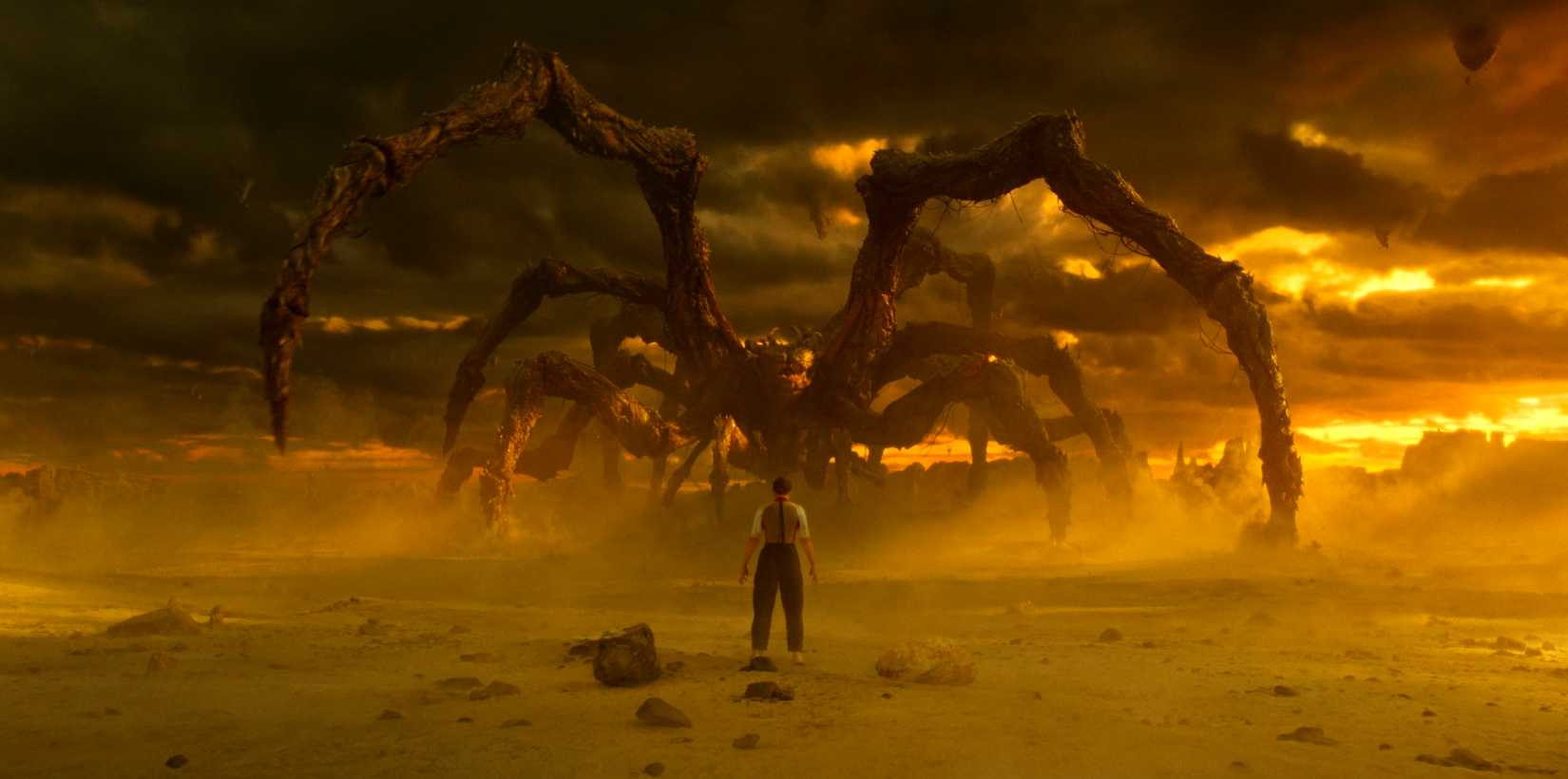
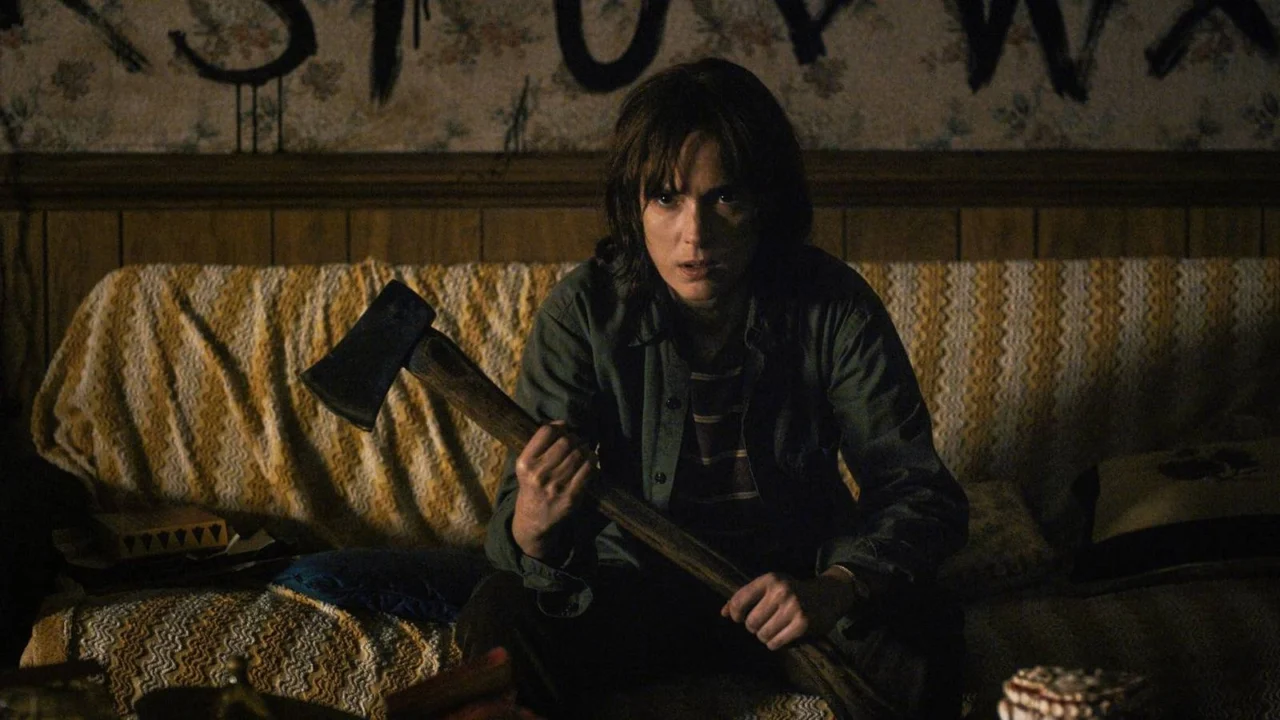
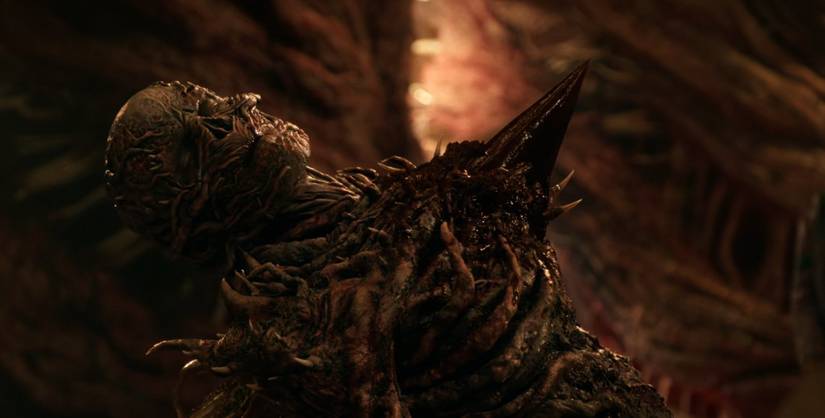
Watching the Hawkins crew dismantle a monster that personifies their deepest insecurities provides a level of catharsis akin to finally overcoming a grueling boss in Dark Souls. But the true emotional payoff lies beyond the spectacle. Even after the Mindflayer falls and the villainous Vecna is neutralized, the threat isn’t fully extinguished. In a moment of visceral finality, Joyce Byers (Winona Ryder) rejects the possibility of a “redemption arc” for the corrupted antagonist. Armed with an axe, she delivers a brutal decapitation, her strikes punctuated by a montage of the decade-long suffering he inflicted. As the blade finally connects, the nightmare that has haunted the town for five seasons is abruptly severed.
As the survivors trigger a demolition of the Upside Down—revealed to be a bridge between worlds—the victory is underscored by the legendary sounds of Prince. The inclusion of “When Doves Cry” and “Purple Rain” serves as more than just a nostalgic needle drop. While Netflix marketed the finale as featuring music never before licensed for the screen, the significance is deeper: Prince passed away in early 2016, just months before the show’s debut. In many ways, his death was a harbinger of the dark cultural era the show emerged into. Using his music to score the death of the Abyss feels like a symbolic reclamation of that lost era.
The journey concludes where it began: with the core group of friends gathered around a Dungeons & Dragons table. As they defeat a final vampiric foe in their game, Mike (Finn Wolfhard) narrates an epilogue for his friends, imagining a future defined by peace rather than peril. It is a sentimental, perhaps slightly indulgent, farewell to characters who have grown up before our eyes. While real life offers no such clean breaks from hardship, Stranger Things allows us a brief, shining moment to believe that evil can be defeated and that a “right timeline” is still within reach.
In Hawkins, the shadow has finally lifted. If only our own world could find such a definitive resolution.
Source: Polygon
Related articles
 Witcher 3 Voice Actor Discusses Returning to Record for Expansion
 Xbox Announces Monthly Hour Limits To Cloud Gaming Are Coming In November
 Sekiro: Shadows Die Twice Creators Release Wolf and Genichiro Duel Trailer Before Premiere
 Analyst: Sony Earns 59% More Per Player Than During PS4 Era
 Playing Halloween: The Game’s Single-Player Campaign Is a Tutorialized Love Letter, But It’s Not Why You’re Here
 Rebel Wolves showcases optimization for The Blood of Dawnwalker in Unreal Engine 5
 GTA VI Leaks Proven True After Rockstar Games Confirms Inside Source
 Dungeons & Dragons Ravenloft Series Officially Confirmed at Netflix