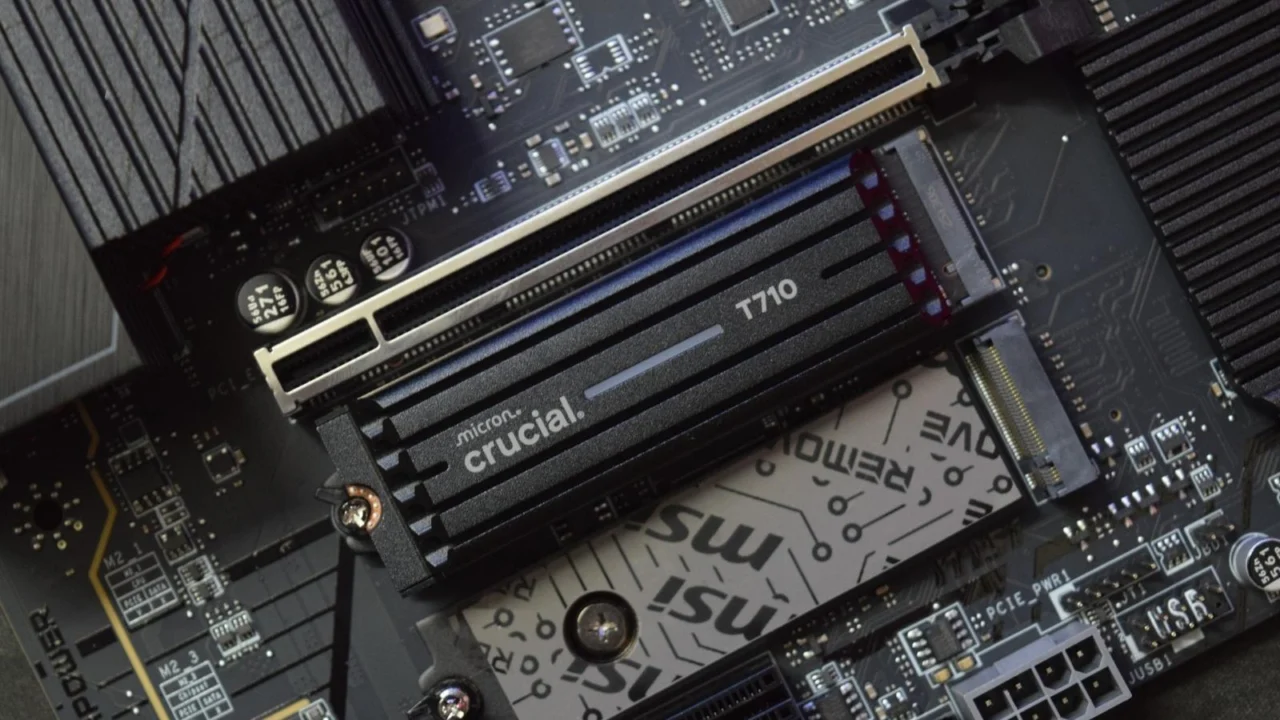
Memory Crisis Devastates Consumer Sector: RAM and SSD Prices Soared Nearly 90% in Q2
Manufacturers have shifted their focus almost entirely to data centers and the artificial intelligence sector.
During the second quarter of 2026, the consumer memory market experienced sharp price hikes. Research from SigmaIntel shows that costs for some DRAM types rose by nearly 90 percent compared to the previous quarter. This surge stems from persistent shortages and the decision by producers to prioritize more profitable artificial intelligence components.
LPDDR memory saw the most significant increases. The price of 96-gigabit (12 GB) LPDDR5X chips jumped 89 percent, rising from 77.1 to 145.9 dollars. Meanwhile, 32-gigabit (4 GB) LPDDR chips grew by 75 percent to reach 45.9 dollars.
Standard DRAM also became more expensive. 16-gigabit modules rose 49 percent to 28.5 dollars. 16 GB DDR4 modules climbed from 137 to 207.1 dollars, a 51 percent increase. Analysts report that the market for DDR5 is even tighter, though the current report excludes specific data for that segment.
The storage market faced similar pressure. 512 GB NVMe PCIe Gen4 SSDs rose 54 percent to 126.3 dollars. 256 GB UFS 3.1 drives more than doubled in price, increasing 103 percent to 62.7 dollars. Costs for 16 GB eMMC 5.1 flash memory grew by 69 percent, while uMCP solutions rose by 107 percent.
Higher component costs are already affecting retail electronics. Laptop and smartphone manufacturers increased prices for their hardware, impacting gaming devices as well. Analysts expect these memory shortages to last until 2028, meaning prices are unlikely to drop significantly in the coming years.
Source: iXBT.games
Related articles
 GTA 6 Detail Compared to Sleeping Dogs, Red Dead Redemption 2, and Previous GTA Games
 Sony Lawyer Responds to Lawsuit Over Digital PlayStation Game Ownership
 Microsoft Announces Upcoming Xbox Game Releases
 Square Enix Shares Details on Kingdom Hearts IV and a Controversial Compromise
 How Counter-Strike: Global Offensive Began as an Xbox 360 Port
 Cyberpunk 2077 Leaving Xbox Game Pass This Month
 Rhythm Heaven Groove Returns to Number One in Japan as Sales Approach One Million
 Gate Zero Resembles Mix of Assassin’s Creed and Sci-Fi